







Travellers paying as much as $120,000 to visit Antarctica will soon fly from South Africa using jet fuel made partly from used cooking oil and other biological waste.
- Sasol will supply locally produced sustainable aviation fuel for luxury flights from Cape Town to Antarctica.
- White Desert offers Antarctic trips costing between $16,500 and $120,000.
- The fuel is made partly from materials such as used cooking oil and will be blended with conventional jet fuel.
- The first flight under the agreement is expected to depart in November aboard an Airbus A340-600.
South African energy and chemicals group Sasol has signed an agreement to supply sustainable aviation fuel to White Desert, a luxury-tourism company that operates flights between Cape Town and Antarctica.
The agreement represents Sasol’s first commercial supply of the fuel, according to a company statement published on 15 September.
The first flight using the South African-made fuel is expected to depart in November aboard an Airbus A340-600, Reuters reported.
White Desert operates approximately one flight weekly during Antarctica’s November-to-February tourism season. Its packages range from a $16,500 one-day visit to seven-day expeditions costing as much as $120,000.
DON’T MISS THIS: Africa’s largest economy boosts fuel production as 108,000 bpd refinery returns online
The company’s guests can visit emperor penguin colonies, explore glaciers and stay in heated camps on the continent. The new agreement connects that high-end tourism market with South Africa’s emerging cleaner-fuel industry.
From European imports to South African fuel
White Desert has used sustainable aviation fuel since 2021 but previously sourced it from Europe. It is switching to Sasol after the South African company secured international sustainability certification for fuel produced at its Natref refinery.
Natref, located in Sasolburg, has the capacity to process approximately 108,500 barrels daily. It is also South Africa’s only inland crude-oil refinery.
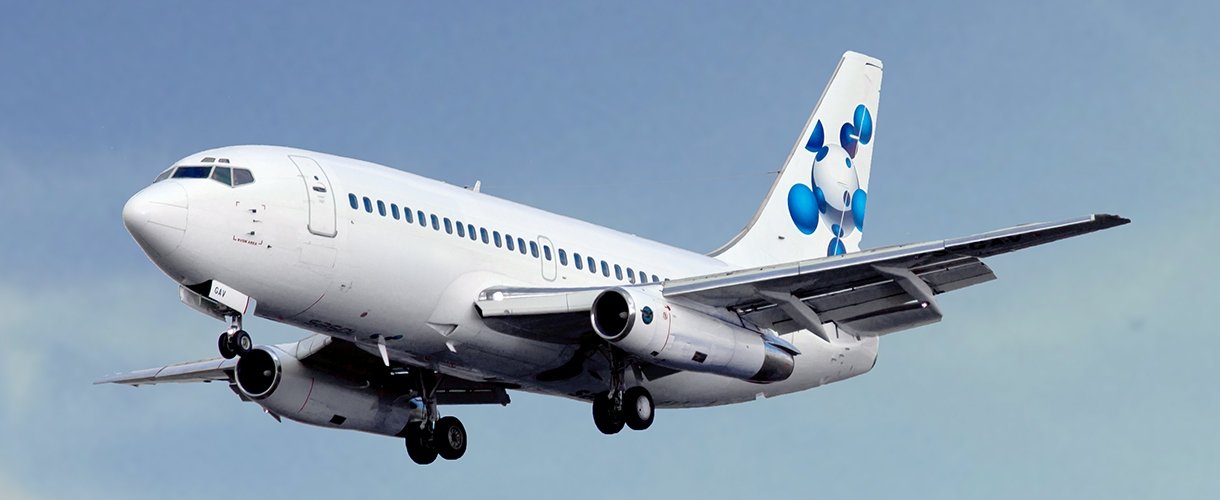
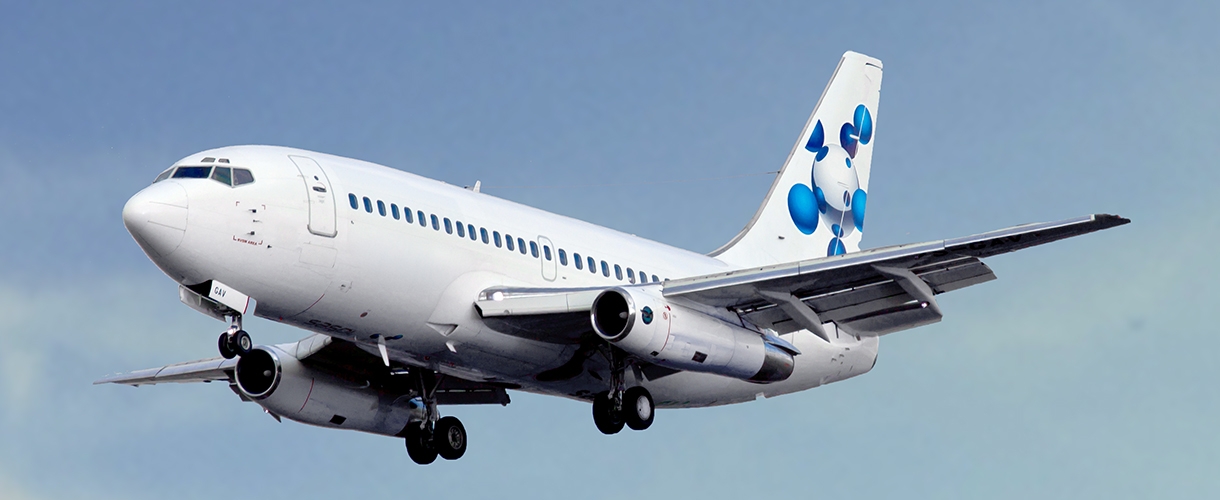
![Sasol will supply sustainable jet fuel made partly from used cooking oil for luxury flights from Cape Town to Antarctica costing as much as $120,000.[Wikipedia]](https://ocdn.eu/pulscms/MDA_/8f2732fb65ad7be57b59528414637be8.jpg)
Sasol’s product is made by processing renewable materials, including used cooking and vegetable oils, alongside conventional feedstock. It can be used in existing aircraft after being blended with ordinary jet fuel, avoiding the need to replace engines or build new airport-fuelling systems.
DON’T MISS THIS:See inside the former Emirates Airbus A340 that flies passengers to Antarctica by landing on a runway made of ice
The arrangement gives Sasol a named commercial customer months after Natref received certification from Germany’s TÜV SÜD. The certification also opened a possible route into Europe, where airlines face progressively higher requirements to use sustainable fuel.
Sasol has said Natref could produce approximately 100 million litres of sustainable aviation fuel annually by 2030. Combined with planned production at its Secunda complex, that figure could reach 200 million litres.
Cleaner, but not emission-free
The agreement does not mean the aircraft will fly entirely on recycled cooking oil or operate without emissions.
Sustainable aviation fuel is normally blended with conventional fuel, and aircraft still release carbon dioxide when it is burned. Its environmental advantage comes largely from reusing renewable waste instead of extracting additional crude oil.
White Desert says sustainable fuels can reduce lifecycle emissions substantially compared with conventional jet fuel. However, the actual reduction depends on the feedstock, manufacturing process and amount blended into the aircraft’s fuel.
Neither company disclosed the volume covered by the agreement, its financial value or the renewable portion of the final blend. Those details will determine the project’s real commercial and environmental importance.
Still, the deal moves South Africa’s sustainable aviation ambitions beyond certification and into commercial use, with one of the world’s most remote and expensive flight routes serving as its first showcase.