






![Sudan faces worsening hunger emergency with millions at risk of famine[amnestyinternational]](https://ocdn.eu/pulscms/MDA_/4a4a0dbfc5c4b2808534922f4578010a.jpg)
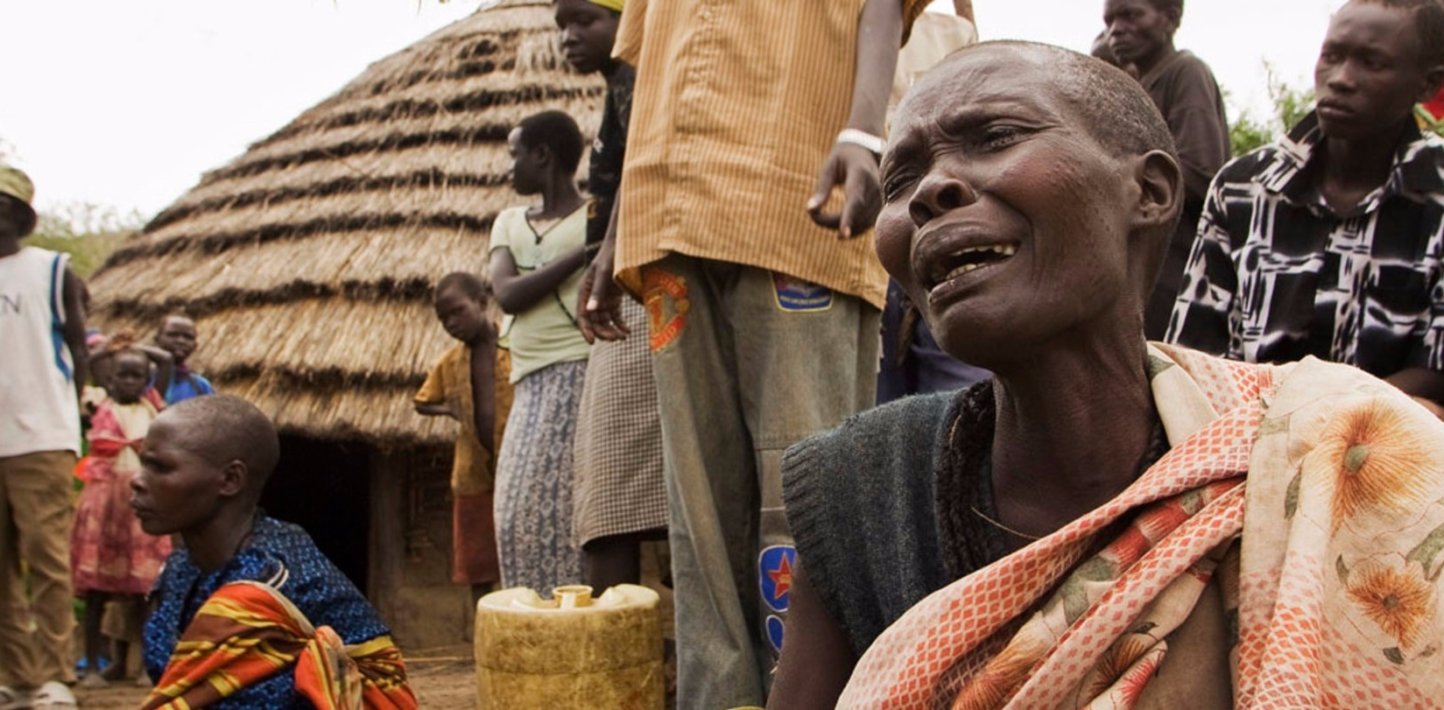
Nearly 20 million people in Sudan are facing acute hunger as civil war, collapsing infrastructure and worsening insecurity push the country deeper into one of the world’s gravest humanitarian disasters.
- Sudan’s worsening civil war has pushed nearly 20 million people into acute hunger, with famine risks rising across Darfur and Kordofan.
- Aid groups warn that conflict, drone warfare and rising global tensions are making Sudan’s food crisis even more dangerous ahead of the rainy season.
- Hundreds of thousands of Sudanese children are expected to suffer severe malnutrition as humanitarian access remains restricted.
- The UN-backed IPC says more than 40% of Sudan’s population is struggling with acute food insecurity after three years of war.
New data from the United Nations-backed Integrated Food Security Phase Classification (IPC) shows that more than 40% of Sudan’s population is struggling to access enough food after three years of fighting between the Sudanese Armed Forces (SAF) and the paramilitary Rapid Support Forces (RSF).
Aid agencies warn the crisis could worsen in the coming months as drone attacks intensify, humanitarian access shrinks and the rainy season threatens food supplies across conflict-hit regions.
The IPC said 14 areas in North Darfur, South Darfur and South Kordofan remain at risk of famine, with about 135,000 people already facing catastrophic levels of hunger.
Areas around el-Fasher and Kadugli remain among the hardest hit after prolonged fighting and sieges disrupted food supplies and humanitarian access.
Aid agencies say the real scale of the crisis could be worse because insecurity continues to limit access to many regions.
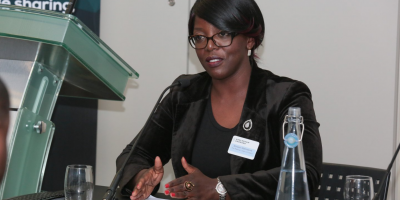
“We’ve had reports of families who’ve been forced to eat leaves, who’ve been forced to eat animal feed, even reports of families breaking into slaughterhouses that have been closed down just to get the skin of the animals to be able to eat and to survive,” Grace Oongee of the Norwegian Refugee Council told Al Jazeera from Port Sudan.
The crisis is also hitting children particularly hard. The IPC estimates that about 825,000 children under five could suffer severe acute malnutrition by 2026, a condition that significantly raises the risk of death if untreated.
Humanitarian groups say the conflict has crippled Sudan’s health system, with many hospitals and clinics destroyed or no longer functioning.
More than two-thirds of the population, roughly 34 million people, are expected to need humanitarian assistance this year.
The fighting has increasingly shifted toward drone warfare in recent months, with attacks reported on markets, hospitals, power stations and other civilian infrastructure.
The UN human rights office says drone attacks have killed hundreds of civilians since January.
Conditions are expected to worsen further as Sudan enters its rainy season between May and September, a period that traditionally brings food shortages even in stable years.
Heavy rains often cut off roads and make aid deliveries difficult, especially in conflict zones.
Aid agencies also warn that wider geopolitical tensions could worsen Sudan’s fragile food supply chain.
Sudan relies heavily on imports of fertilisers and fuel from Gulf countries, and disruptions linked to tensions around the Strait of Hormuz are already affecting supply routes and costs.
Samy Guessabi, Sudan director for Action Against Hunger, said many families are already surviving under extreme conditions.
“In daily life, countless families have nothing to eat and survive as best they can, resorting to leaves, grass or animal feed, skipping meals or prioritising some family members over others,” he said.
The aid group said some essential medicines and supplies destined for Sudan have been delayed in logistics hubs because of rising fuel costs and disruptions to transport routes.
Humanitarian organisations continue to call for greater international attention to Sudan, warning that the crisis has been overshadowed by other global conflicts despite its scale.
“I think Sudan is becoming an invisible crisis, and which is why we need to continue echoing the message and continue sharing the horrors of the current situation on the ground – it’s more than just the numbers,” Oongee said.