






Travellers from 30 African countries are set to face tougher financial requirements when applying for U.S. business and tourist visas after Washington permanently adopted its controversial visa bond program, exactly 12 months after it was introduced on a trial basis.
- The U.S. has made its controversial visa bond program permanent, requiring certain B-1 and B-2 visa applicants to pay refundable bonds before entry.
- This policy mainly impacts Africa, with 30 out of the 50 countries covered by the rule coming from the continent.
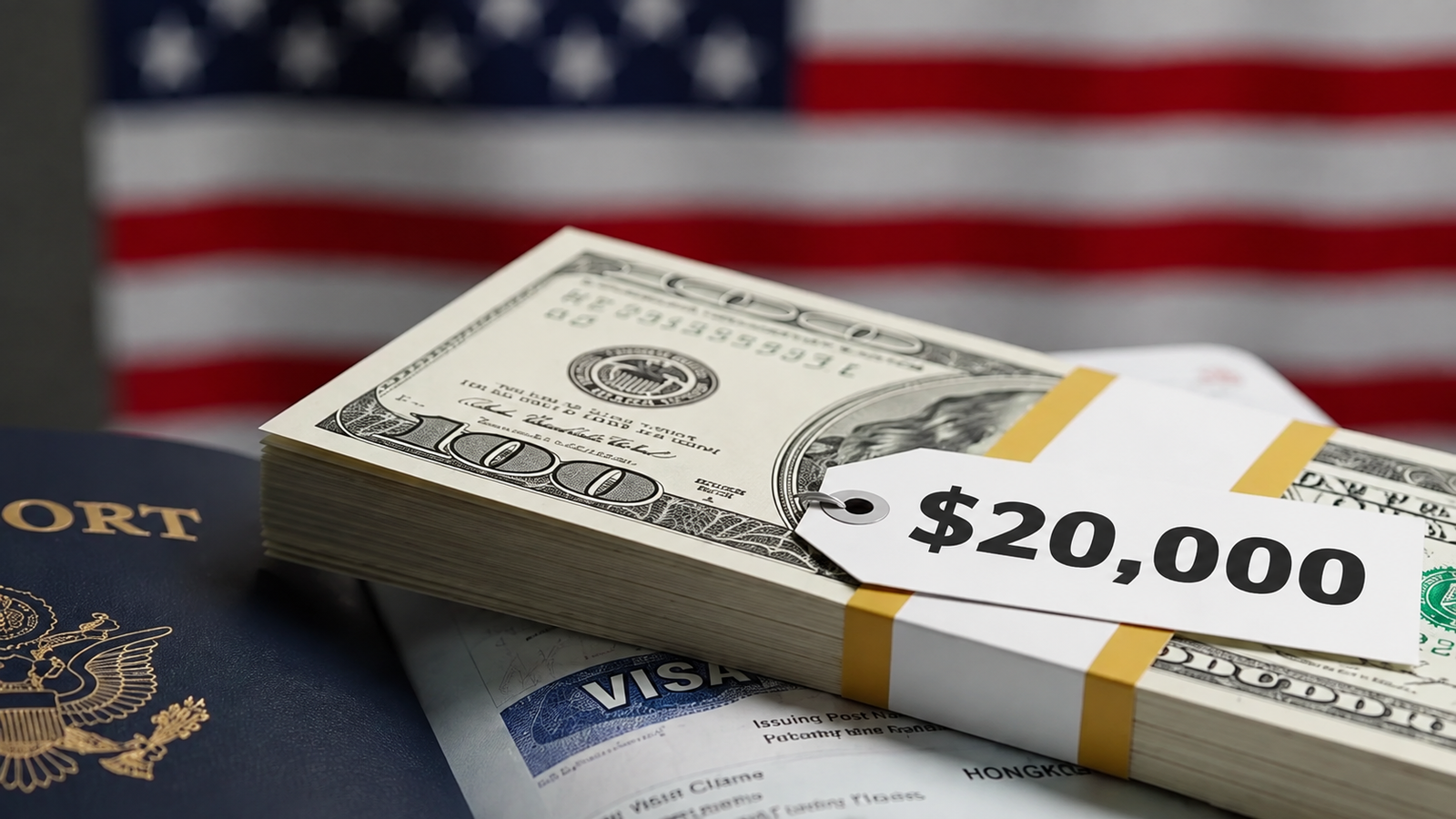
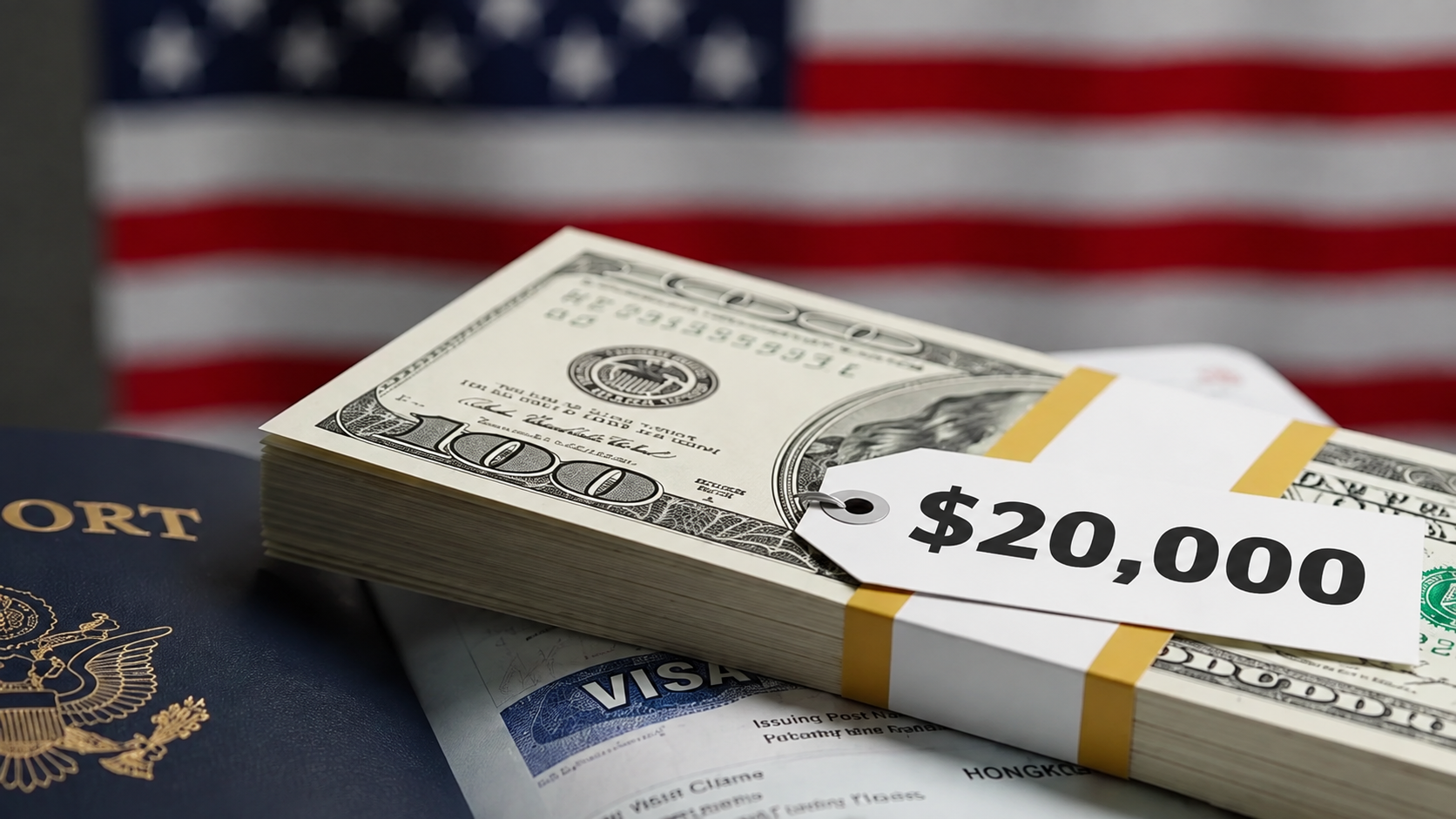
- Bond amounts have increased, now requiring deposits ranging from $10,000 to $20,000 based on consular assessment.
- The new rule aims to reduce visa overstays but is criticized for creating high financial barriers for legitimate travelers from developing nations.
The policy, first launched on August 20, 2025, was designed to deter visa overstays by requiring selected applicants for B-1 (business) and B-2 (tourist) visas from designated countries to post refundable bonds before travelling to the United States.
Initially rolled out as a one-year pilot with bond amounts ranging from $5,000 to $15,000, the program has now become a permanent feature of the U.S. immigration system.
DON’T MISS THIS: Trump expands visa bond scheme to 30 African nations, raising travel costs and diplomatic tensions
According to a draft notice published in the Federal Register, the year-long review “provided sufficient data” to conclude that the visa bond program effectively enforced compliance with the conditions of temporary visas, prompting the Trump administration to adopt it permanently.
The rule, which takes effect on Monday, August 3, 2026, raises the maximum bond from $15,000 to $20,000 while eliminating the previous $5,000 minimum payment. Under the new framework, eligible applicants may be required to deposit $10,000, $15,000 or $20,000, depending on a U.S. consular officer’s assessment.
The move disproportionately affects Africa. Of the 50 countries currently covered by the program, 30 are African, making the continent the region most heavily impacted by one of the most far-reaching changes to U.S. visitor visa rules in recent years.
Africa accounts for the majority of affected countries
The program applies to applicants for B1 (business) and B2 (tourist) visas from countries identified by the U.S. Department of State as presenting elevated risks of visa overstays or non-compliance.
Of the 50 countries currently covered by the program, 30 are African, making the continent the region most affected by the policy.
The African countries currently subject to the visa bond requirement are Algeria, Angola, Benin, Botswana, Burundi, Cabo Verde, Central African Republic, Côte d’Ivoire, Djibouti, Ethiopia, Gabon, The Gambia, Guinea, Guinea-Bissau, Lesotho, Malawi, Mauritania, Mauritius, Mozambique, Namibia, Nigeria, São Tomé and Príncipe, Senegal, Seychelles, Tanzania, Togo, Tunisia, Uganda, Zambia and Zimbabwe.
DON’T MISS THIS: U.S. visa bond update pulls more African markets into costlier business travel
The State Department says countries are designated based on factors including high B1/B2 visa overstay rates, using data from the Department of Homeland Security’s Entry/Exit Overstay Report.
Higher barriers for African travellers
The permanent adoption of the program is expected to have significant implications for African travellers, particularly entrepreneurs, investors, professionals and families seeking to visit the United States for business or tourism.
While Washington argues that the policy is intended to reduce visa overstays and strengthen immigration compliance, critics contend that requiring refundable deposits of up to $20,000 creates a substantial financial barrier for legitimate travellers from developing economies.
The rule also gives the State Department flexibility to add more countries to the list in the future, meaning the number of African nations affected could grow if U.S. authorities determine that additional countries meet the criteria.
For many Africans, the decision represents another tightening of U.S. entry requirements, adding a potentially significant financial commitment on top of visa application fees, travel costs and increasingly stringent screening procedures.