





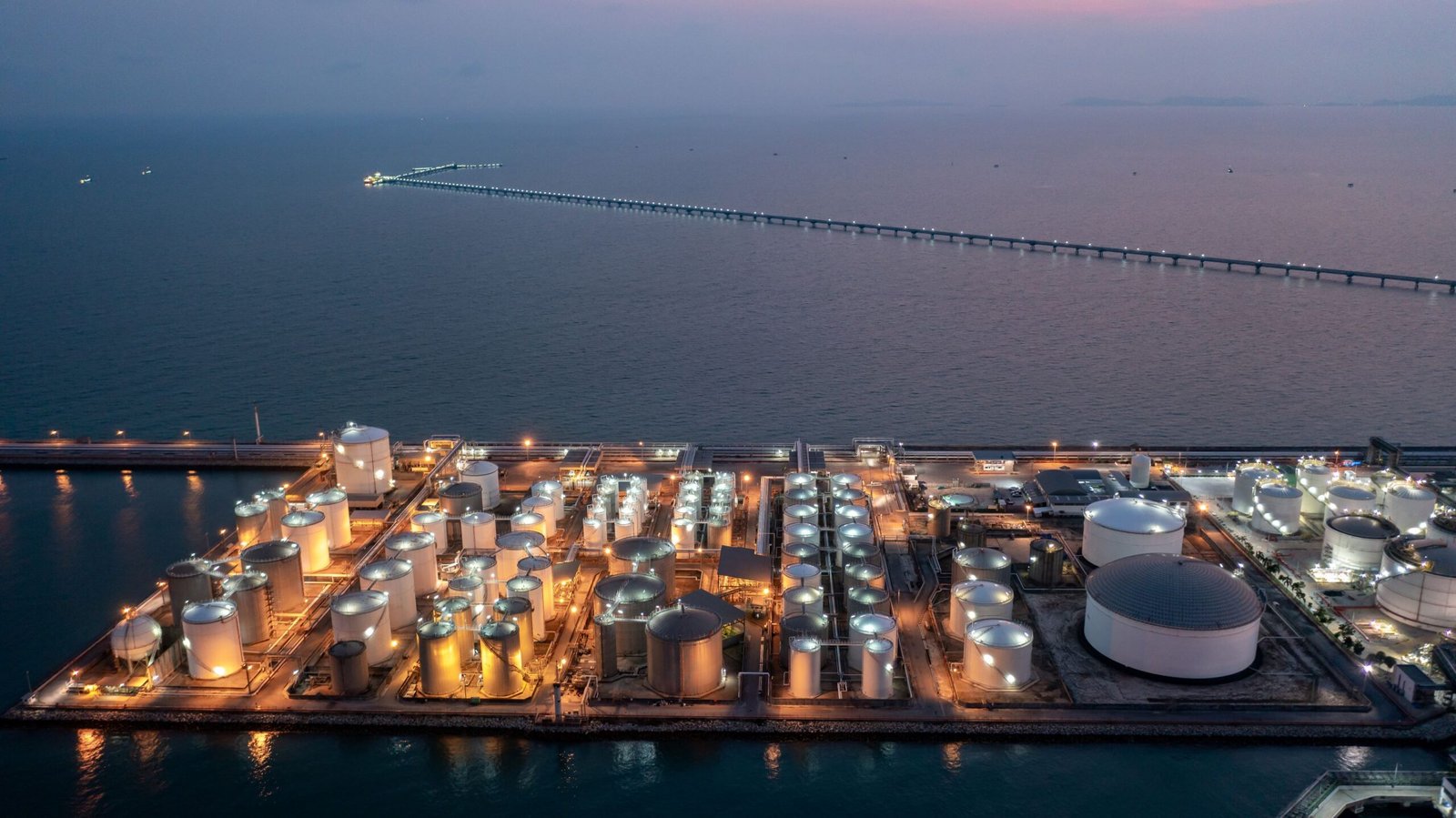
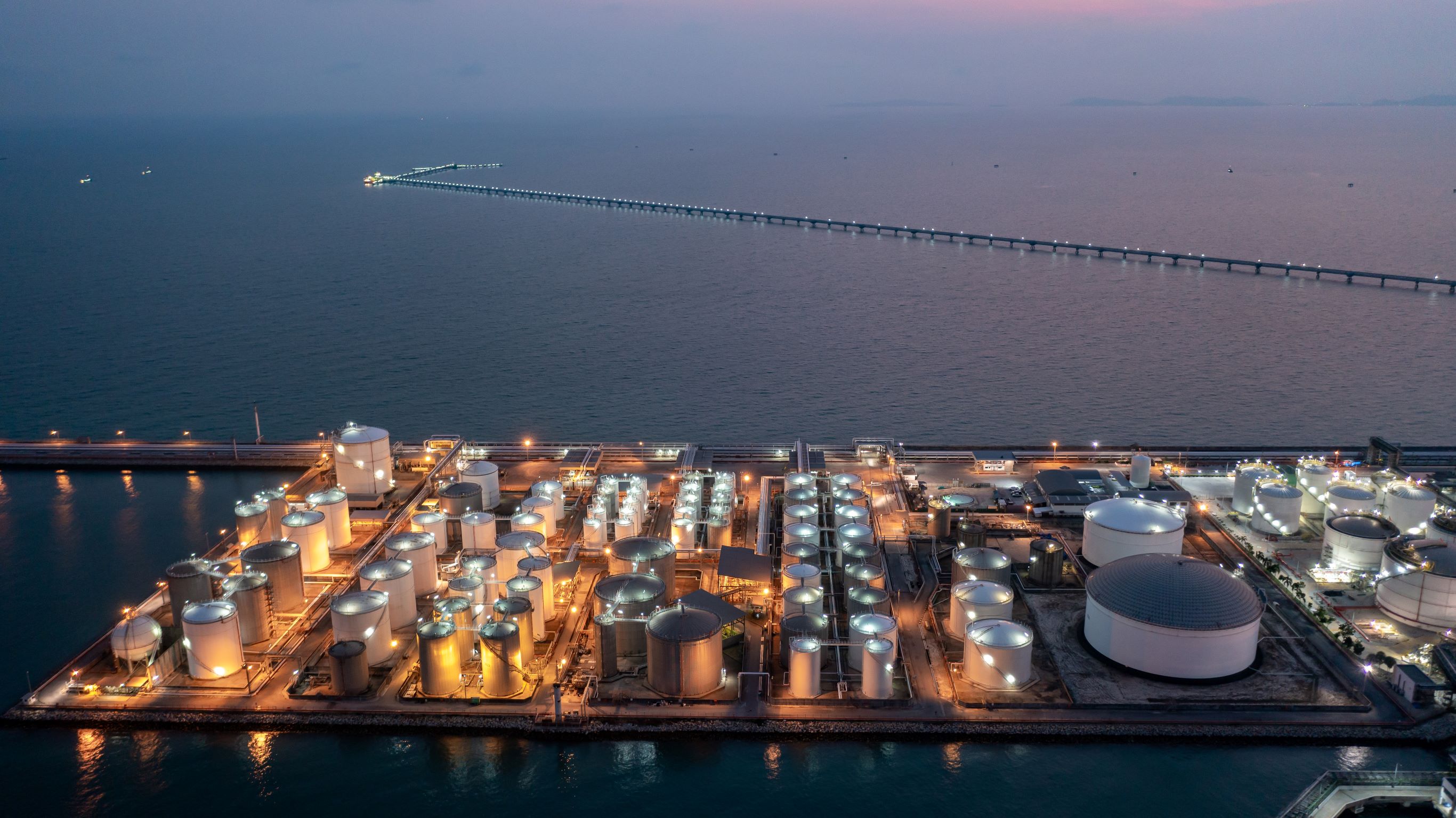
Oil has long been one of Africa’s most powerful economic assets. In Africa, Libya holds the largest proven oil reserves, estimated at 48.4 billion barrels, ranking ninth globally, according to the latest Global Firepower report.
- Business Insider Africa presents the top 10 African countries with the largest proven oil reserves in 2026.
- The list is courtesy of Global Firepower.
- In Africa, Libya holds the largest proven oil reserves, estimated at 48.4 billion barrels, ranking ninth globally, according to the latest Global Firepower report.
Oil has long been one of Africa’s most powerful economic assets — shaping government budgets, foreign policy, and development paths across the continent.
From North Africa’s vast desert fields to offshore platforms along the Atlantic coast, crude oil has funded infrastructure, created global trade links, and, in many cases, exposed economies to boom-and-bust cycles.
Even as the world talks up energy transition, oil remains essential to Africa’s growth story, providing revenue, jobs, and geopolitical leverage.
DON’T MISS THIS: After UK Home Office threats, 3 African countries agree deportation deal to take back migrants
In Africa, Libya holds the largest proven oil reserves, estimated at 48.4 billion barrels, ranking ninth globally, according to the latest Global Firepower report.
Below are the African countries with the largest proven oil reserves:
1. Libya
Libya holds Africa’s largest proven oil reserves, estimated at 48.4 billion barrels, ranking ninth globally. Oil is the backbone of its economy, accounting for more than 90% of government revenue. Production has been repeatedly disrupted by political instability and security challenges since 2011, preventing the country from fully realising its resource potential.
2. Nigeria
Nigeria has Africa’s second-largest oil reserves at roughly 36.9 billion barrels, ranking 11th globally. Oil has long been central to the economy, although the country is increasingly seeking diversification. Production has been hampered by pipeline vandalism, oil theft and underinvestment, but recent reforms, including the Petroleum Industry Act, aim to attract capital and stabilise output. Nigeria remains a major supplier to global markets and a key player in OPEC. Alongside oil, its growing gas reserves are expected to play a larger role in future energy and export strategies.
3. Algeria
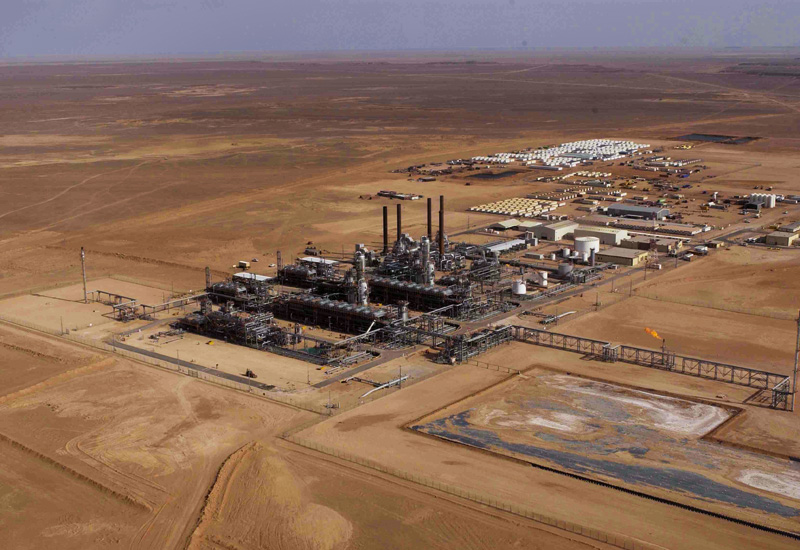
Algeria’s proven oil reserves stand at about 12.2 billion barrels, placing it 15th globally. The country is a major energy supplier to Europe, exporting both oil and natural gas. State-owned Sonatrach dominates the sector, and hydrocarbons account for the bulk of export earnings. While Algeria’s oil production is mature, it continues to invest in exploration and enhanced recovery techniques.
4. Angola
Angola holds approximately 7.8 billion barrels of proven oil reserves, ranking 18th globally. It is one of sub-Saharan Africa’s largest oil producers, with offshore fields accounting for most output. Oil contributes the majority of government revenue and export earnings, making the economy highly sensitive to price swings.
5. South Sudan
South Sudan has an estimated 3.75 billion barrels of proven oil reserves, ranking 24th globally. Oil dominates the economy, providing nearly all government revenue. However, landlocked geography means exports rely on pipelines through Sudan, creating political and logistical vulnerabilities.
6. Egypt
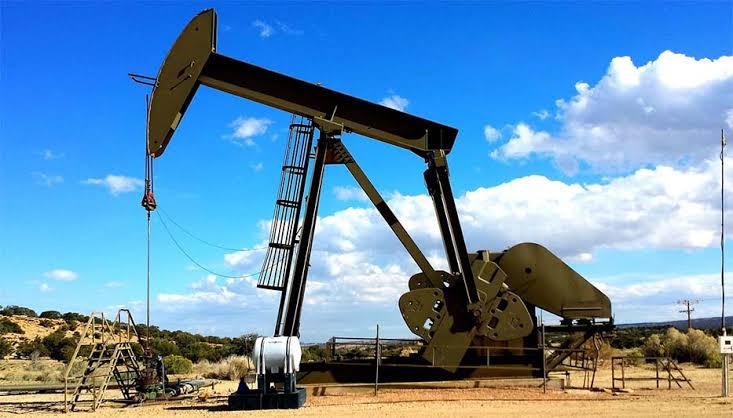
Egypt’s proven oil reserves are estimated at 3.3 billion barrels, placing it 26th globally. While oil is important, Egypt has increasingly positioned itself as a regional energy hub, driven largely by natural gas discoveries in the Mediterranean. Oil production supports domestic consumption and exports, complementing revenues from gas, the Suez Canal and tourism.
7. Republic of Congo
The Republic of Congo holds about 2.9 billion barrels of proven oil reserves, ranking 28th globally. Oil accounts for the vast majority of export earnings and government revenue. Most production originates from offshore fields, which are operated by international energy companies.
8. Uganda
Uganda has an estimated 2.5 billion barrels of proven oil reserves, ranking 30th globally. Unlike many producers, Uganda has yet to become a major exporter, with its oil sector still under development. Projects such as the Tilenga and Kingfisher fields and the East African Crude Oil Pipeline (EACOP) are expected to unlock production later this decade.
9. Gabon
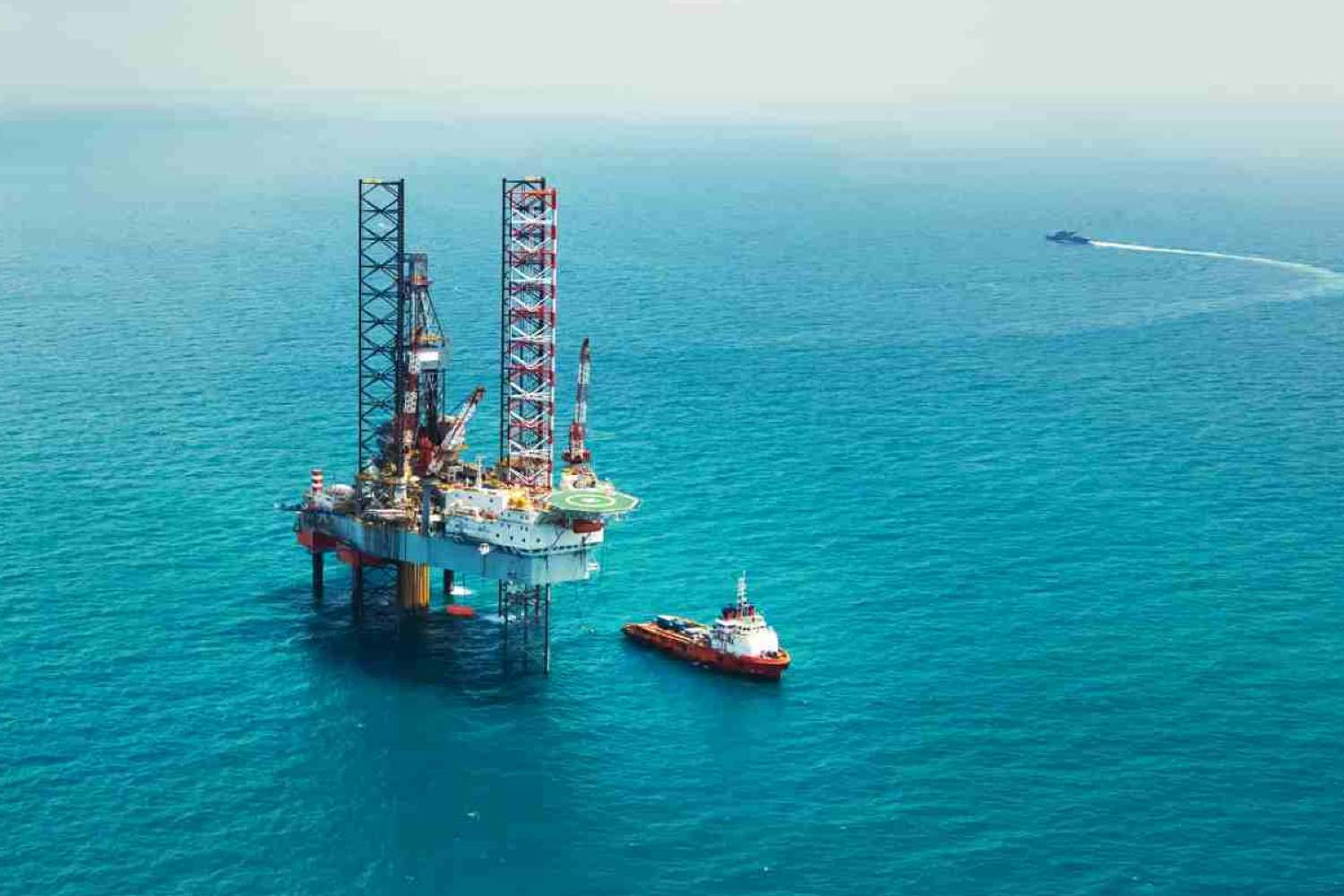
Gabon holds roughly 2 billion barrels of proven oil reserves, ranking 36th globally. Oil has historically underpinned the economy, though production has steadily declined as mature fields age. The government is encouraging new exploration and improved recovery methods to slow the decline. Gabon is also pushing to diversify into mining, forestry and services to reduce reliance on hydrocarbons. Despite its smaller reserve base compared with regional peers, oil remains a critical source of revenue.
10. Chad
Chad’s proven oil reserves are estimated at 1.5 billion barrels, ranking 37th globally. As a landlocked country, Chad depends on export pipelines through Cameroon, increasing costs and vulnerability to disruptions. Oil is the country’s main export and a key source of government revenue, though benefits have been unevenly distributed.