







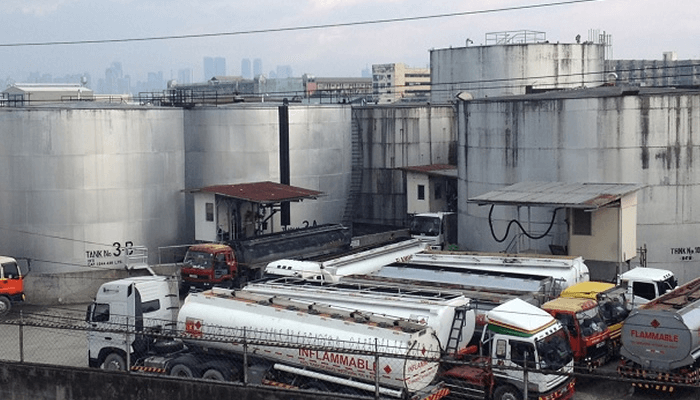
Recent data from the Nigerian Midstream and Downstream Petroleum Regulatory Authority (NMDPRA), shows that Nigeria’s import of premium motor spirits (petrol) increased by 96.7% in March compared to the month prior.
- Nigeria’s petrol imports nearly doubled in March, rising by 96.7% compared to February, despite increased domestic supply.
- The Dangote Oil Refinery played a major role in stabilizing the sector, producing 48.2 million liters of petrol daily and supplying 72.3% of national consumption.
- Domestic supply of gasoline outpaced imports, maintaining market dominance even with the reversal of a previous ban on fuel import licenses.
- For the first time in decades, Nigeria became a net exporter of petrol, exporting a net surplus of about 3,000 barrels per day in March.
This increase is against the backdrop of increased domestic supply and a suspension of fuel import licences, which was reversed a few weeks back.
In the period under review, petrol imported into the country increased to 5.9 million litres per day, from 3.0 million litres per day in February, despite improved supply from the Dangote Oil Refinery.
Domestic gasoline supply in March increased to 34.2 million litres per liter from 30.5 million litres per day the previous month.
As seen in the Punch newspaper, Nigeria recorded an overall increase in fuel supply, rising from 39.5 million litres to 40.1 million litres.
A detailed analysis of the available data reveals that, despite a nearly twofold increase in imports during the period, domestic supply maintained market dominance.
This underscores the increasing importance of local refiners, particularly the Dangote refinery, as a stabilizing force within Nigeria’s downstream petroleum sector.
On March 1st, the refinery recorded an average capacity operation rate of 93.62%.
Earlier in the month, the CEO of the Dangote Oil Refinery, David Bird, disclosed that the facility received 10 cargoes of crude from the Nigerian National Petroleum Company Limited (NNPC), as opposed to 5 cargoes it had been receiving previously.
Performance metrics indicate that the facility produced 48.2 million liters of Premium Motor Spirit (petrol) per day, with 34.2 million liters allocated to the domestic market.
As a result, based on an estimated national consumption of 47.3 million liters per day in March, the Dangote refinery alone accounted for approximately 72.3% of Nigeria’s total gasoline requirements.
At the same time, another report reveals that Nigeria has become a net exporter of petrol for the first time in decades.
Dangote’s fuel export
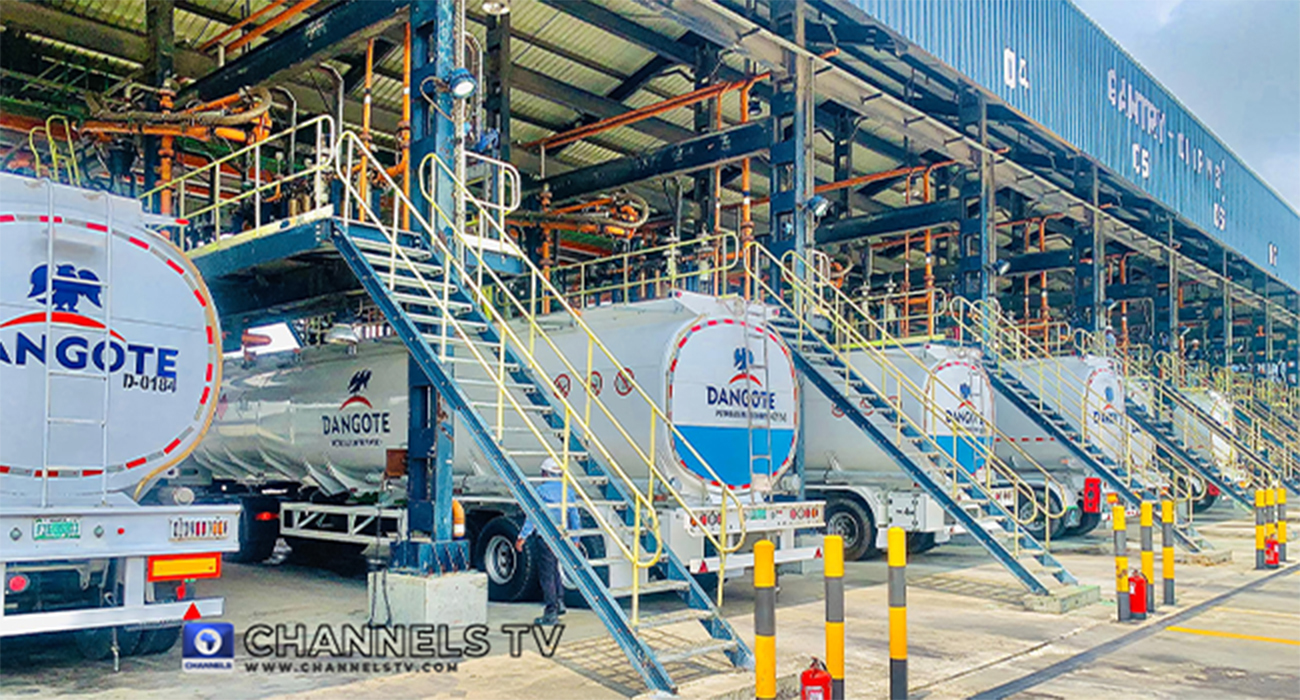
This was highlighted in the data released by the intelligence agency, Kpler, which shows that the West African country exported approximately 44,000 barrels per day (bpd) of petrol in March, slightly exceeding imports and leaving a net surplus of roughly 3,000 bpd.
Crude supplies to the Dangote refinery, which produces 650,000 bpd, increased to around 565,000 bpd in March, one of the highest levels since operations began in late 2023.
At the same time, fuel imports dropped drastically to roughly 41,000 bpd, the lowest amount ever recorded.
The figures indicate that domestic refining will rapidly replace imports.
Beyond lowering import dependence, the refinery is helping Nigeria enter new markets.
In March, it transported a 317,000-barrel consignment of gasoline to Mozambique, marking its first export to East Africa, with another shipment due in April.