







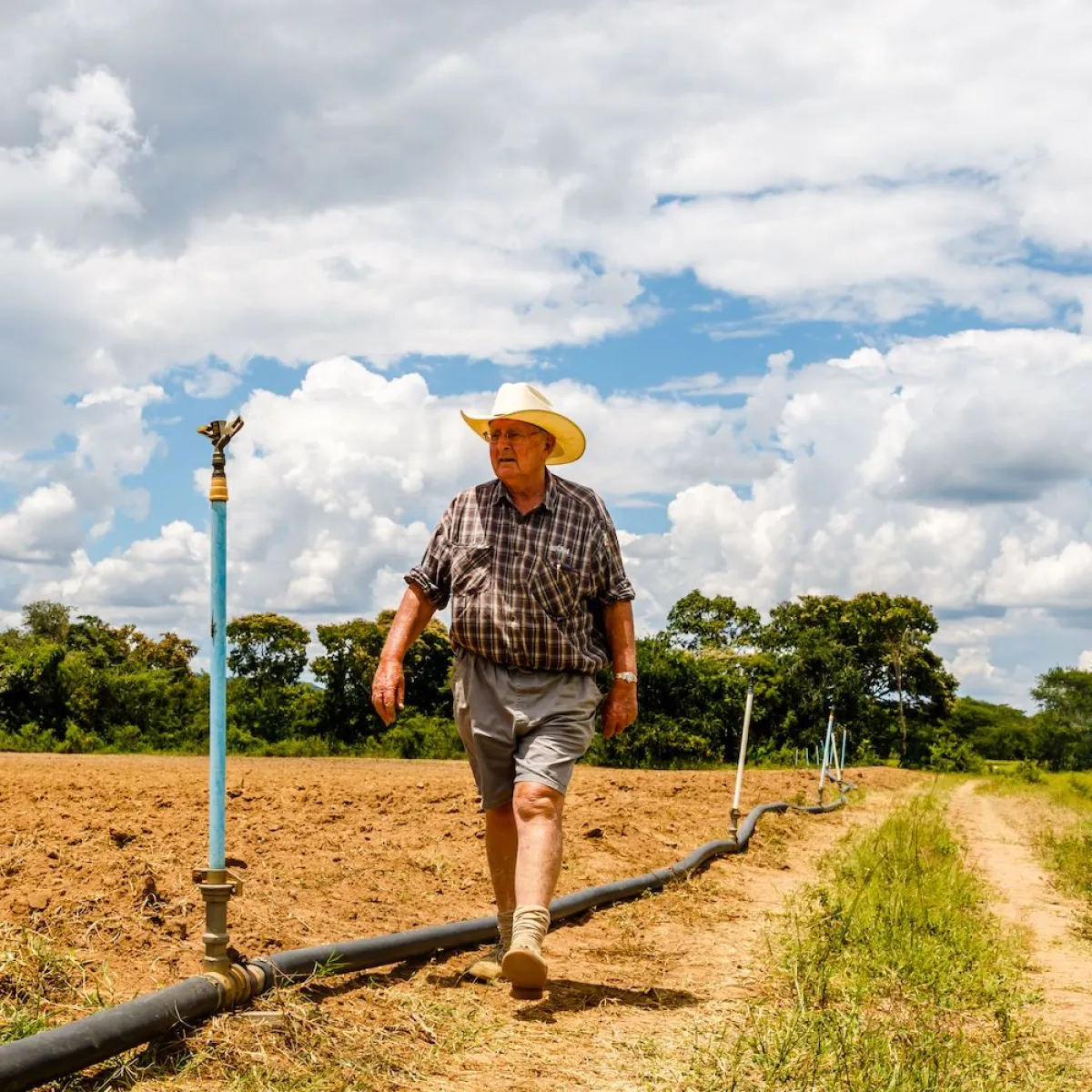
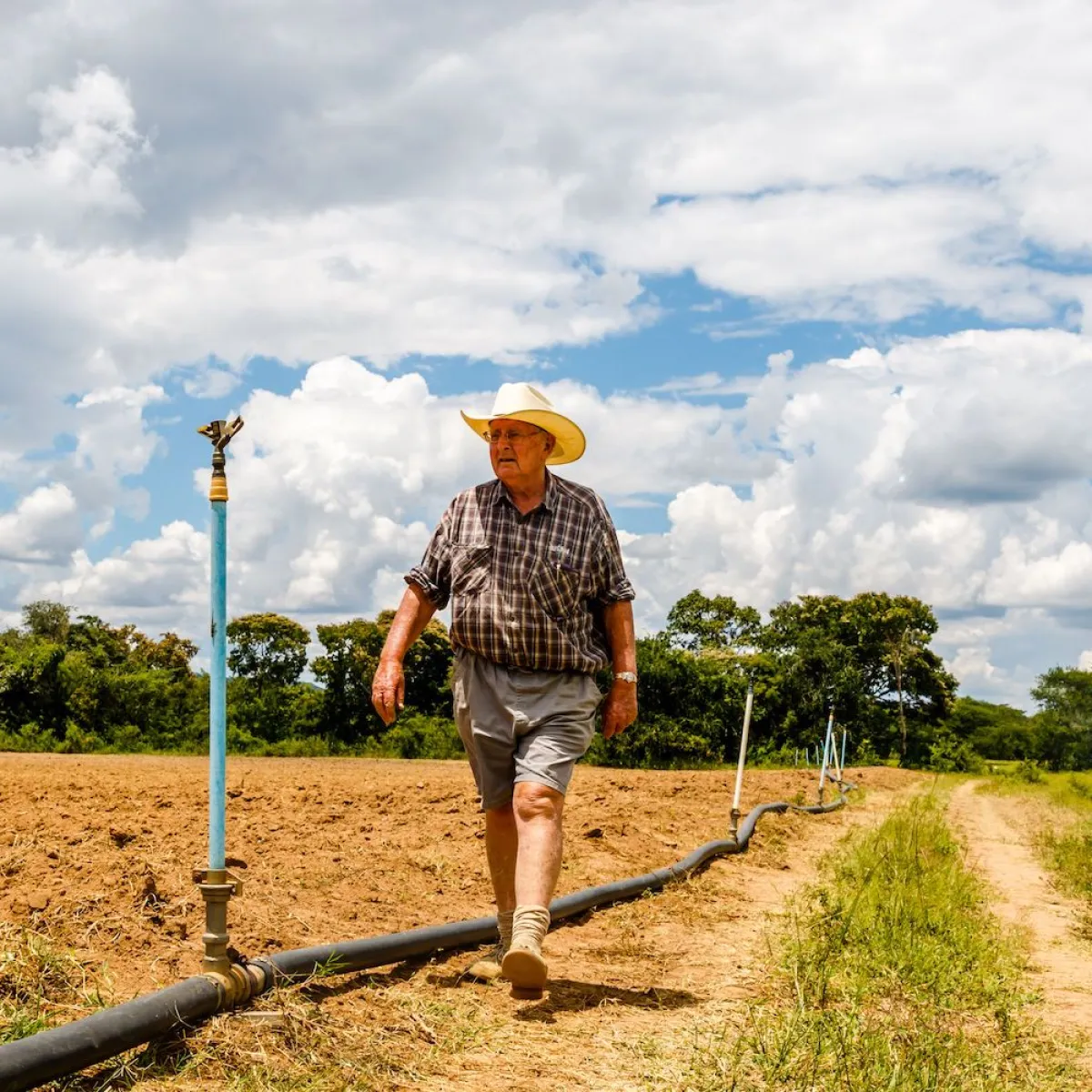
Zimbabwe said it was returning several foreign-owned farms that were seized during a violent land grab more than 25 years ago and paying compensation of $146 million.
- Zimbabwe is returning several foreign-owned farms seized over 25 years ago and compensating with $146 million.
- The transfer affects 67 properties linked to owners from Denmark, Germany, the Netherlands, Switzerland, and former Yugoslavia.
- Both Black-owned (840) and White-owned (about 400) farms are being returned by the government.
- The land reforms began with the forced takeover of White-owned farmland post-independence to address historical imbalances.
Zimbabwe said it was returning several foreign-owned farms that were seized during a violent land grab more than 25 years ago and paying compensation of $146 million.
Agriculture Minister Anxious Masuka told lawmakers that the transfer involved 67 properties. Treasury data separately showed the payments would settle claims by property owners from Denmark, Germany, the Netherlands, Switzerland, and the former Yugoslavia.
Masuka said 840 affected farms owned by Black farmers were being returned, as well as around 400 owned by White farmers, Bloomberg reported.
Colonial-era land ownership structure
Under British colonial rule, much of Zimbabwe’s fertile farmland was allocated to white settlers. By the time the country gained independence in 1980 after a long liberation war, about 4,000 white commercial farmers owned nearly half of the country’s productive farmland.
To address land ownership imbalances, Zimbabwe’s government pledged to acquire white-owned farms for redistribution, with Britain initially agreeing to help fund the process. However, progress remained slow, and the British government later withdrew its financial support in the late 1990s.
In 2000, then-Zimbabwean President Robert Mugabe encouraged the invasion of White-owned farms by Black subsistence farmers and youths, saying it would make up for colonial-era injustices.
Several White farmers, alongside hundreds of their workers, were killed, and about 4,000 were forced off their land. The seizures prompted international sanctions, and in 2020, the government agreed to pay White farmers $3.5 billion in compensation as it sought to gain reentry to global capital markets.
It subsequently altered the terms of the deal to include dollar bonds as part of the payoff, but the revamped offer was rejected by a number of the farmers.