







For over twenty years, China has stood as one of Africa’s main foreign investors, paying for roads, rail lines, ports, power stations, and mines across the region. Lately, however, a quiet change has begun. Some of India’s richest people are growing their work in Africa, putting billions into areas like mining, mobile phones, factories, and clean energy.
- China has been Africa’s leading foreign investor for over two decades, financing major infrastructure.
- Indian billionaires are expanding their investments across Africa in sectors like mining, telecom, factories, and clean energy.
- Despite India’s growing presence, China remains Africa’s largest trading partner.
- Both nations are especially focused on Africa’s minerals essential for clean energy, such as lithium, copper, cobalt, and graphite.
This rise in Indian business comes from a growing need for important minerals, power sources, and new customers. Although India’s funding style differs from China’s government-backed approach, both countries see Africa as a key partner for long-term growth.
Indian billionaires expand across Africa
Many top Indian business groups have built a strong presence across the continent through acquisitions, investments, and long-term deals.
Through Airtel Africa, mobile billionaire leader Sunil Bharti Mittal runs one of Africa’s biggest phone networks, reaching people across fourteen countries and boosting digital and money services.
Forbes frequently lists him among India’s richest people due to his large global business network.
DON’T MISS THIS: India eyes its share of Africa’s critical minerals, sends thousands of tonnes of rice in strategic push against US and China dominance
Billionaire Gautam Adani has grown the Adani Group’s dominance in Africa through heavy involvement in mining, shipping, port, and energy projects that help trade between India and local economies.
Steel leader Lakshmi Mittal, through ArcelorMittal, manages big mining and metal work in countries like Liberia and South Africa.
Vedanta Resources founder Anil Agarwal has put major money into copper mining in Zambia through Konkola Copper Mines, showing India’s focus on African raw materials.
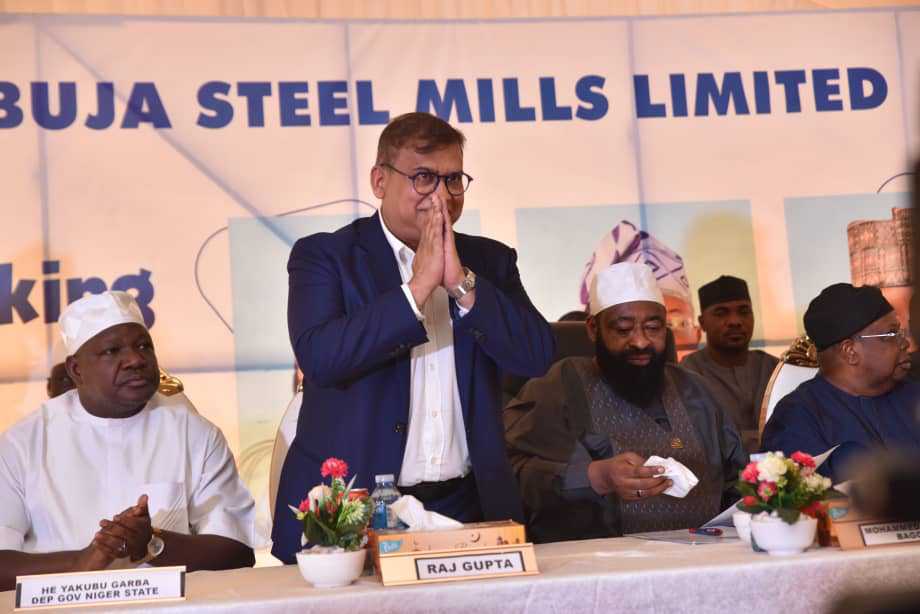
Business Insider Africa reported that Billionaire Raj Gupta secured about 500 hectares in Nigeria to build what could become sub-Saharan Africa’s largest solar plant, pointing to growing Indian involvement in clean energy.
DON’T MISS THIS: Indian billionaire Raj Gupta secures 500 hectares to build what could become sub-Saharan Africa’s largest solar farm in Nigeria
Despite India’s billionaires’ massive investments, China still holds the top spot.
Forbes Africa reported that China has remained Africa’s top trading partner for over fifteen straight years, with trade between both sides hitting record-high numbers recently. One main reason is its zero-tariff policy.
One of China’s most compelling strategies is its zero-tariff policy, directly contrasting with current US economic policy.
Forbes Africa reported that China “will not charge tariffs on goods from 53 African nations it has bilateral relations with.”
In addition, Business Insider Africa reported that the only African country that does not enjoy a zero tariff from China is Eswatini, mainly because of its cordiality with Taiwan.
DON’T MISS THIS: China’s zero-tariff policy now covers 53 of Africa’s 54 countries, excluding one in Southern Africa
Apparently, China pays keen attention to its geopolitical and economic relevance in Africa, which has largely accounted for its success.
Forbes revealed that “China has accrued a $60 billion trade surplus with Africa in 2025, … exports totaled $141 billion, while imports reached $81 billion.”
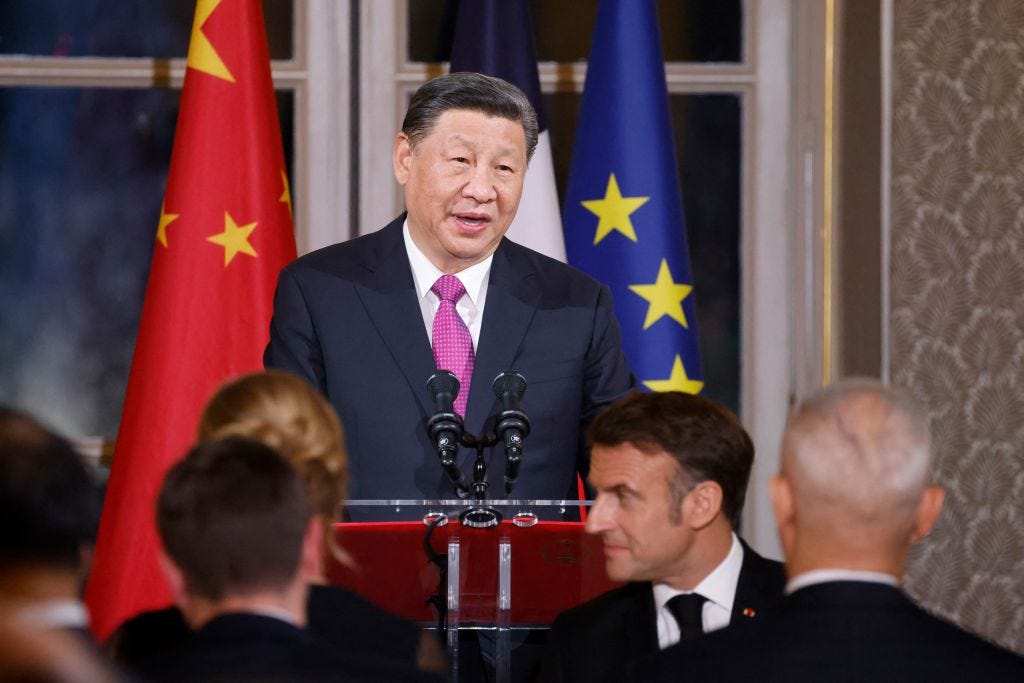
According to American Enterprise Institute’s China Global Investment Tracker Chinese companies have invested hundreds of billions of dollars in overseas projects since 2005, including substantial investments across Africa in mining, energy, transport and infrastructure, giving Beijing a strong presence in several of the continent’s key industries.
India vs China race for important minerals, lithium, copper, cobalt, rare earth
The contest between Indian and Chinese investors is becoming clearer in Africa’s mineral sector, driven by rising world demand for lithium, copper, cobalt, graphite, and rare earth materials.
For example, China’s CMOC Group runs major copper and cobalt mines in the Democratic Republic of Congo.
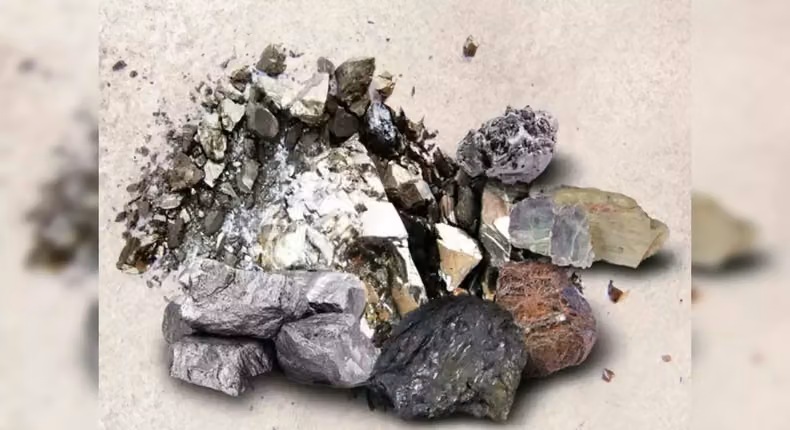
Chinese companies have put heavy funding into Zimbabwe’s growing lithium market. India is also building up its position.
India, however, is stepping up its efforts to secure critical minerals. Few months ago, Business Insider Africa reported about India’s $4 billion National Critical Mineral Mission in Africa.
DON’T MISS THIS: From lithium to cobalt, India joins $1T global race for Africa’s minerals alongside major powers
Vedanta Resources, founded by Indian billionaire Anil Agarwal, continues to invest in Zambia’s copper sector.
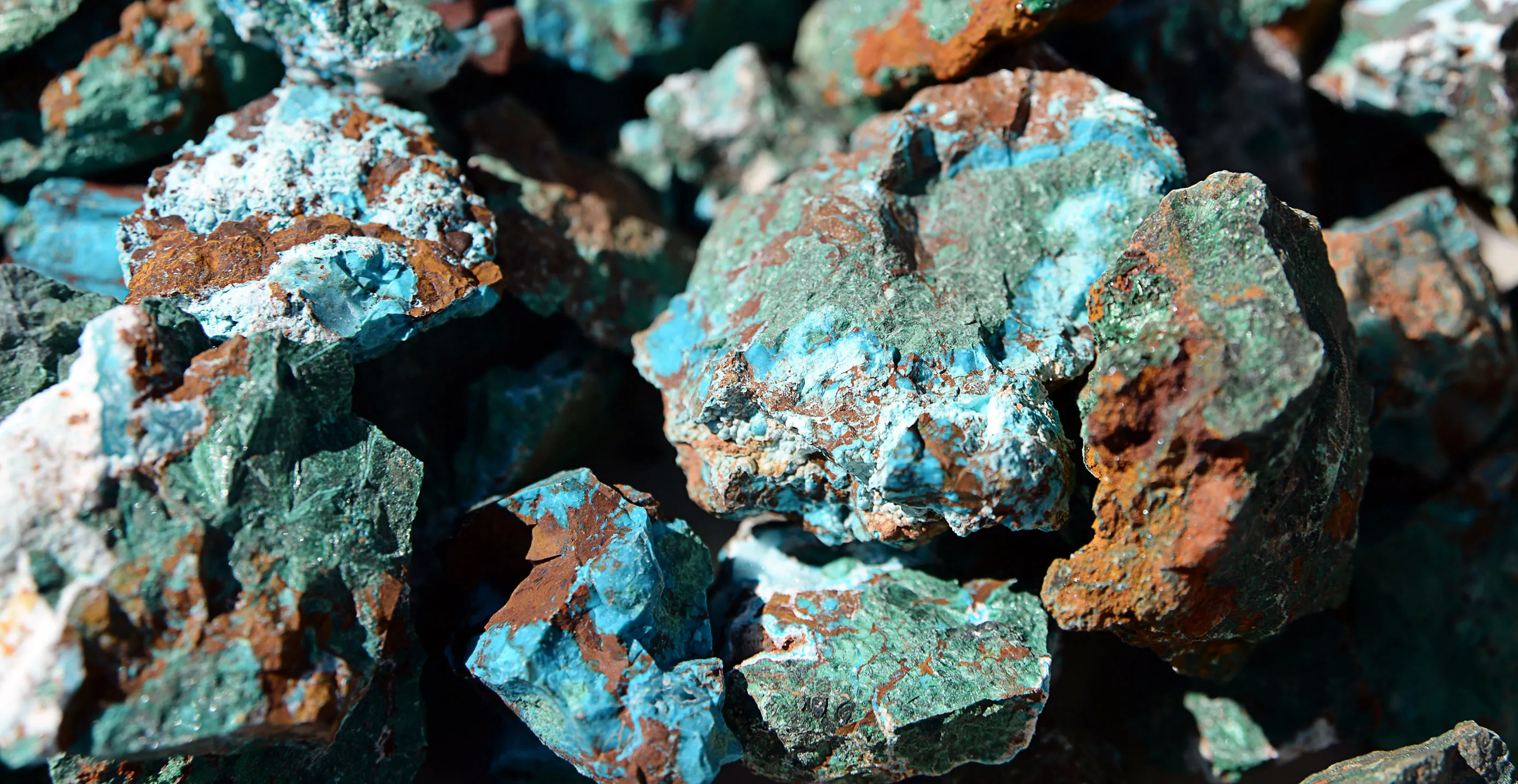
These materials are needed for batteries, electric cars, electronic devices, and green technology.
As countries work to secure reliable supply lines, mineral-rich African nations are drawing strong global interest.
According to the International Energy Agency (IEA), minerals such as lithium, copper, nickel, cobalt and graphite will play an increasingly important role in the global shift to clean energy.
The agency also notes that “Africa seeks to leverage its resources to maximise economic benefits through local processing, enhance bilateral co-operation and advocate transparency in critical mineral supply chains.“
How African countries can gain from the competition
Rising interest from both India and China gives African nations new chances to bring in money, build economically beneficial projects, and create jobs.
DON’T MISS THIS: India turns to Africa’s 2 largest oil producers for millions of Barrels of crude amid strait of Hormuz supply concerns
This competition among foreign investors can also give local governments more power when negotiating tech partnerships, factory deals, and mining permits.
As India grows through private, billionaire-led funding and China continues paying for big building projects, African countries can gain better choices for investment, new skills, and stronger positions at the negotiating table.
Several governments are already asking companies to process raw materials locally before selling them abroad.
Earlier this year, we reported that Zimbabwe has taken the immediate decision to shut down the export of all its raw materials to minimize corruption and encourage local factory processing.
DON’T MISS THIS: Zimbabwe has taken the immediate decision to shut down the export of all its raw materials
Within the last few years, Namibia has taken decisive action to build local industries and create jobs by limiting the sale of raw materials.
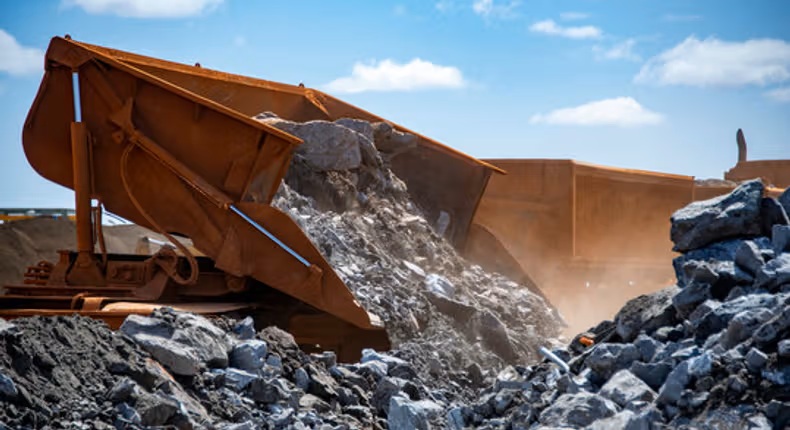
For example, Business Insider Africa reported that the Southern African country prohibited the export of unprocessed lithium in 2023.
DON’T MISS THIS: Namibia takes control of its resources as it bans the export of unprocessed vital mineral
Nigeria has repeatedly pushed for local mineral processing instead of sending raw materials out of the country.
These rules aim to help African nations make more money from their natural wealth by building local factories, creating skilled jobs, bringing in new skills, and making higher-value goods instead of relinquishing massive opportunities and selling raw materials to Chinese and Indian Tycoons.