






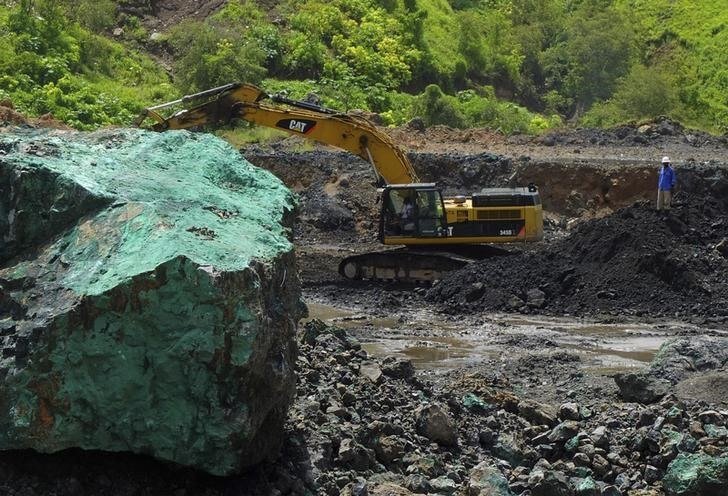

Chinese-owned mining companies in the Democratic Republic of Congo have rejected claims that their cobalt contains excessive uranium after Kinshasa banned exports of copper and cobalt concentrates to promote local processing.
- Chinese mining companies in the DRC rejected allegations that their cobalt products contain excessive uranium, calling these claims unfounded.
- The companies’ response follows a new government ban on copper and cobalt concentrate exports to promote local processing.
- The DRC’s export ban, effective from June 29, 2026, applies to all miners and aims to add more value within the country, though strategic one-year waivers may be granted.
- This policy is part of Congo’s broader strategy to boost domestic mineral processing and revenue, while its impact depends on how exemptions are managed for major operators and regional trade networks.
The Union of Chinese-Capital Mining Companies in the DRC, known by its French acronym USMCC, has rejected allegations that cobalt products from Chinese-operated mines contain excessive levels of uranium.
In a statement posted on X on August 5, 2026, the association described the claims as “unfounded”, saying they had misled markets, disrupted commercial activity and damaged confidence in cobalt products from the mineral-rich Central African country.
The response came after the Congolese government prohibited exports of copper and cobalt concentrates to encourage local processing and retain more value from the country’s mineral resources.
Chinese miners deny excessive uranium levels
USMCC said it conducted a comprehensive review of cobalt products extracted, processed and exported by Chinese mining companies operating in southeastern DRC.
“Following an exhaustive verification conducted by the association, no cobalt product extracted, processed or exported by Chinese mining companies operating in southeastern DRC contains excessive levels of uranium,” the statement said.
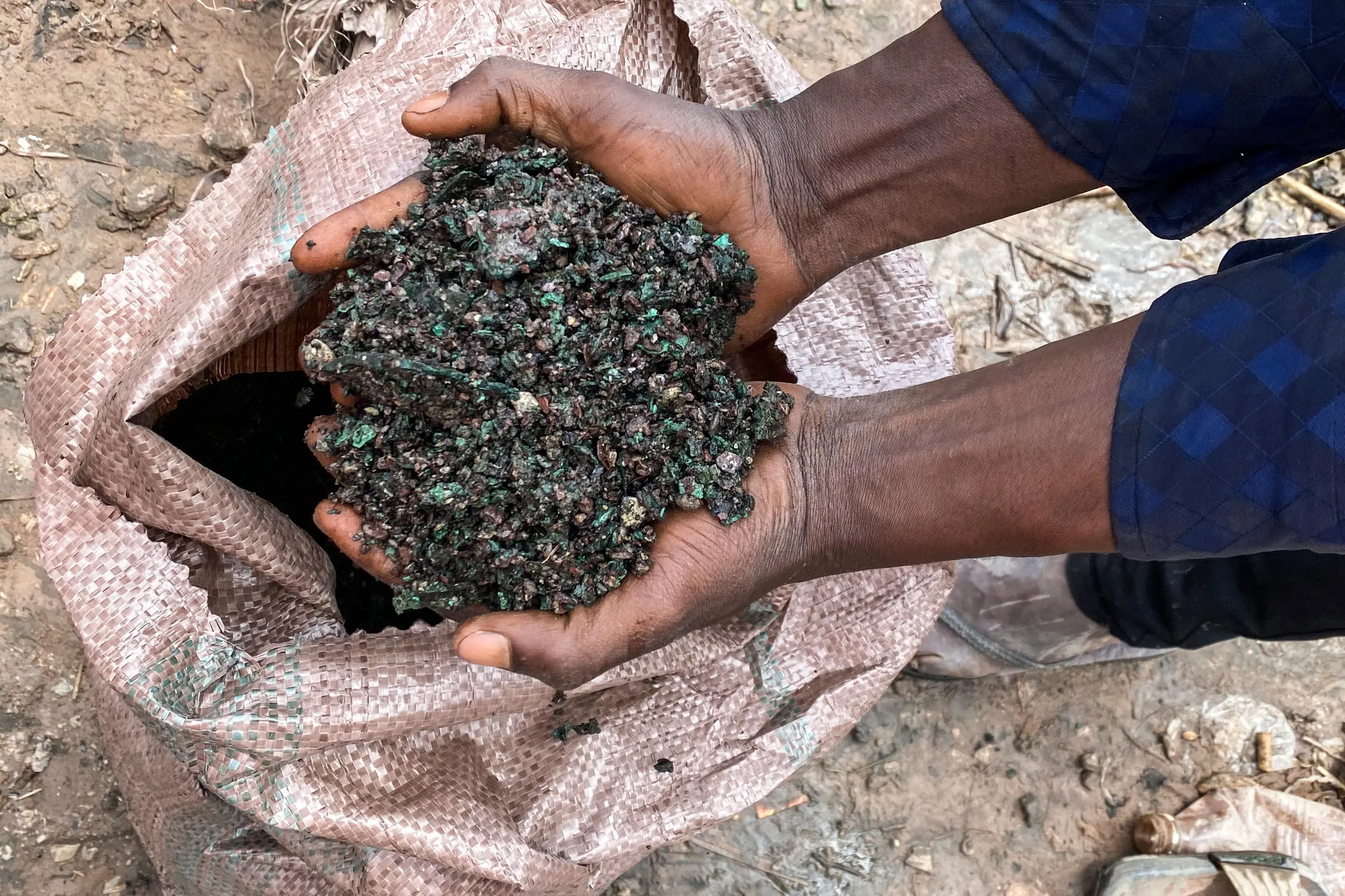
Addressing the allegations directly, the association acknowledged that cobalt hydroxide produced under normal conditions may contain extremely low natural traces of uranium.
However, it said the concentrations remain below the threshold required for commercially viable extraction.
“There are no economic or technical conditions for recovering, extracting or exploiting this uranium,” USMCC said, adding that the traces did not change the material’s classification as a cobalt product.
Major Chinese mining companies operating in the DRC include CMOC Group, Zijin Mining and Zhejiang Huayou Cobalt.
USMCC pledged to conduct regular sampling, publish quality-control findings and ensure its members continue complying with Congolese mining laws and internationally recognised testing standards.
DON’T MISS: Africa’s second-largest copper producer curbs raw copper exports and makes demands of Chinese firms
Congo pushes companies to process minerals locally
Meanwhile, the government’s June 29 order immediately prohibits exports of copper and cobalt concentrates, although the mines minister may grant one-year waivers in strategically important cases.
The order said the policy was driven by “the need to encourage mining operators to market or export commercial mineral products with high added value”.
The latest directive repeals the 2023 framework and introduces broader rules governing mineral exports and economically valuable mining by-products.
Kinshasa previously imposed similar restrictions in 2013, 2019 and 2023 but granted exemptions where domestic processing capacity was insufficient.
The DRC is the world’s largest cobalt producer and Africa’s leading copper producer, with largely untapped mineral resources estimated to be worth about $24 trillion.
Its copper and cobalt are essential to electric vehicles, electricity networks, electronics and other energy-transition technologies.
Official data show that the country already processes most of its copper locally. It exported 696,725 tonnes of copper cathodes in the first quarter of 2026, compared with 53,926 tonnes of copper concentrate containing 18,863 tonnes of metal.
Ban extends beyond Chinese companies
Although the uranium statement came from Chinese operators, the export ban applies to all mining companies producing concentrates in the DRC.
The Kamoa-Kakula copper complex could face the greatest immediate exposure because it still exports some concentrate under government exemptions. The operation is jointly owned by Canada’s Ivanhoe Mines, China’s Zijin Mining and the Congolese government.
Other major foreign operators include Switzerland-based Glencore and Luxembourg-headquartered Eurasian Resources Group. However, companies that already process most of their output locally may face less disruption.
The restrictions could also affect regional transport and processing networks linking Congolese mines to Zambia, Angola and South Africa.
Still, the impact on individual projects and international customers will depend on how the government applies the strategic waivers.
For the DRC, the ban forms part of a wider effort to expand local processing, tighten control over mineral exports and retain a larger share of the income generated by its copper and cobalt resources.