







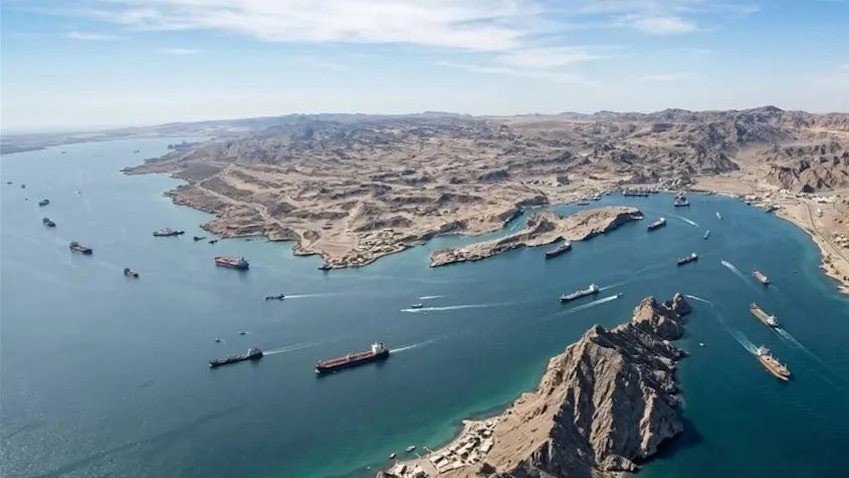
A fresh attack on a vessel linked to the United Arab Emirates’ state-owned oil company has renewed concerns over fuel supplies and shipping costs for import-dependent African economies.
- The United Arab Emirates said a vessel linked to its state-owned oil company, ADNOC, was attacked while crossing the Strait of Hormuz.
- The latest incident was the third involving ADNOC vessels in less than a week, according to the UAE.
- Renewed insecurity could increase freight, insurance and fuel-import costs for African countries that depend on supplies from the Gulf.
- Nearly 25% of the world’s seaborne oil trade passed through the Strait of Hormuz in 2025.
The vessel affiliated with the Abu Dhabi National Oil Company was attacked while passing through the Strait of Hormuz on Friday, according to the UAE’s official Emirates News Agency, WAM.
No injuries were reported and ADNOC said the situation had been brought under control. Details about the vessel, its cargo and the extent of any damage were not immediately disclosed.
The UAE accused Iran of carrying out the attack and called on Tehran to stop targeting commercial vessels, end hostilities and fully reopen the strategic waterway. Iran did not immediately respond to the latest allegation.
The incident was the third involving ADNOC vessels in less than a week. The UAE had also accused Iran of attacking two company-linked vessels in the strait on Thursday.
Separately, the United Kingdom Maritime Trade Operations said it received a report that a bulk carrier had been struck by an unidentified projectile in the strait on Friday. It was not immediately clear whether it was referring to the same vessel.
The repeated incidents threaten to deepen disruptions at a waterway that connects major Gulf oil producers with international markets.
DON’T MISS THIS:Gulf states advance 7 pipeline projects to bypass Strait of Hormuz, reshaping Africa’s Red Sea trade route
For African countries that rely on imported petrol, diesel, aviation fuel and cooking gas, further insecurity around the strait could translate into higher freight charges, marine insurance premiums and domestic fuel prices.
Africa’s exposure to Hormuz
The Strait of Hormuz is one of the world’s most important energy routes, separating Iran from Oman and connecting the Persian Gulf to the Gulf of Oman and the Arabian Sea.
An average of about 20 million barrels of crude oil and petroleum products passed through the strait every day in 2025, according to the International Energy Agency. That represented about 25% of global seaborne oil trade.
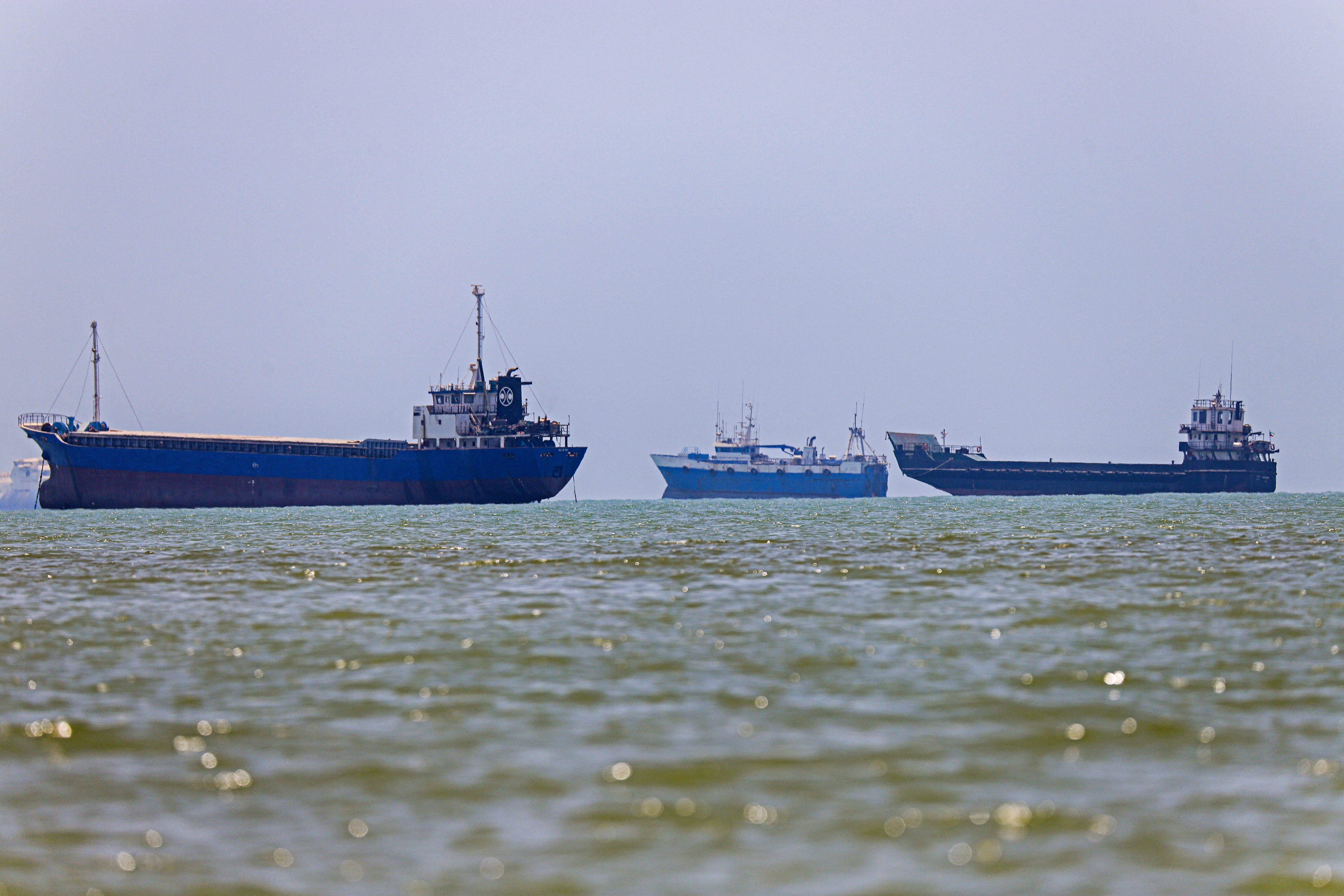
The IEA estimates that nearly 15 million barrels per day of crude oil and about five million barrels per day of refined petroleum products moved through the waterway during the year.
Only Saudi Arabia and the UAE have operational pipelines capable of redirecting significant volumes away from Hormuz. Even these alternative routes have limited spare capacity and cannot fully replace the waterway.
Several African countries are directly exposed to supplies passing through the strait.
UN Trade and Development data previously showed that Hormuz-linked supplies accounted for 99% of Seychelles’ oil imports.
The share was estimated at 61.5% for Uganda, 58.3% for Mauritius, 56% for Tanzania and 44.7% for Zambia. Mozambique, Malawi, Senegal and Cabo Verde also featured among the continent’s more exposed markets.
Countries may not experience an immediate physical shortage after an individual attack. However, repeated incidents can make shipowners more reluctant to enter the area and cause insurers to increase war-risk premiums.
DON’T MISS THIS:African central banks brace for fresh inflation shock as Hormuz disruption rattles oil markets
Those additional expenses are often passed through the supply chain to fuel distributors, airlines, manufacturers and consumers.
Attack threatens fragile oil-market recovery
The new attacks come as global oil markets are still struggling to recover from disruptions caused by the conflict involving Iran, the United States and Israel.
Oil flows through the strait began recovering in June, helping global supply rise by 4.1 million barrels per day to 98.8 million barrels per day, according to the IEA’s July oil market report.
The recovery in Gulf production contributed to a $31-per-barrel decline in North Sea Dated crude during June, with the benchmark falling to $68 per barrel in early July.
But the IEA said global production remained 9.4 million barrels per day below its pre-war level. Its projection for a continued recovery was also dependent on improved transit and a swift de-escalation of renewed hostilities.
The agency subsequently warned that renewed disruptions had derailed part of that recovery. It projected a global oil-market deficit of about 1.8 million barrels per day during the third quarter, while Middle Eastern production remained substantially below pre-war levels in July.
DON’T MISS THIS:Iran’s closure of the Strait of Hormuz: What this means for Africa
Attacks on commercial vessels could make a sustained recovery even more difficult by discouraging tanker traffic through the waterway.
Importers face costs as producers could benefit
Import-dependent economies could face higher fuel bills, inflation and pressure on their foreign exchange reserves if the attacks cause another sustained rise in oil and shipping prices.
Landlocked countries such as Uganda, Zambia and Malawi are particularly vulnerable because imported fuel must also be transported from coastal ports by road, rail or pipeline.
Island economies such as Seychelles and Mauritius face additional exposure because aviation, shipping and tourism remain important parts of their economies.
African crude exporters, including Nigeria, Angola and Libya, could benefit from higher international oil prices through increased export revenues.
However, those gains may be partly offset in countries that still import refined petroleum products or where higher fuel prices increase transport, electricity and food-production costs.
The latest attack therefore extends beyond the immediate security confrontation between the UAE and Iran. It presents another test for African economies already struggling with expensive fuel, fragile currencies and elevated consumer prices.