





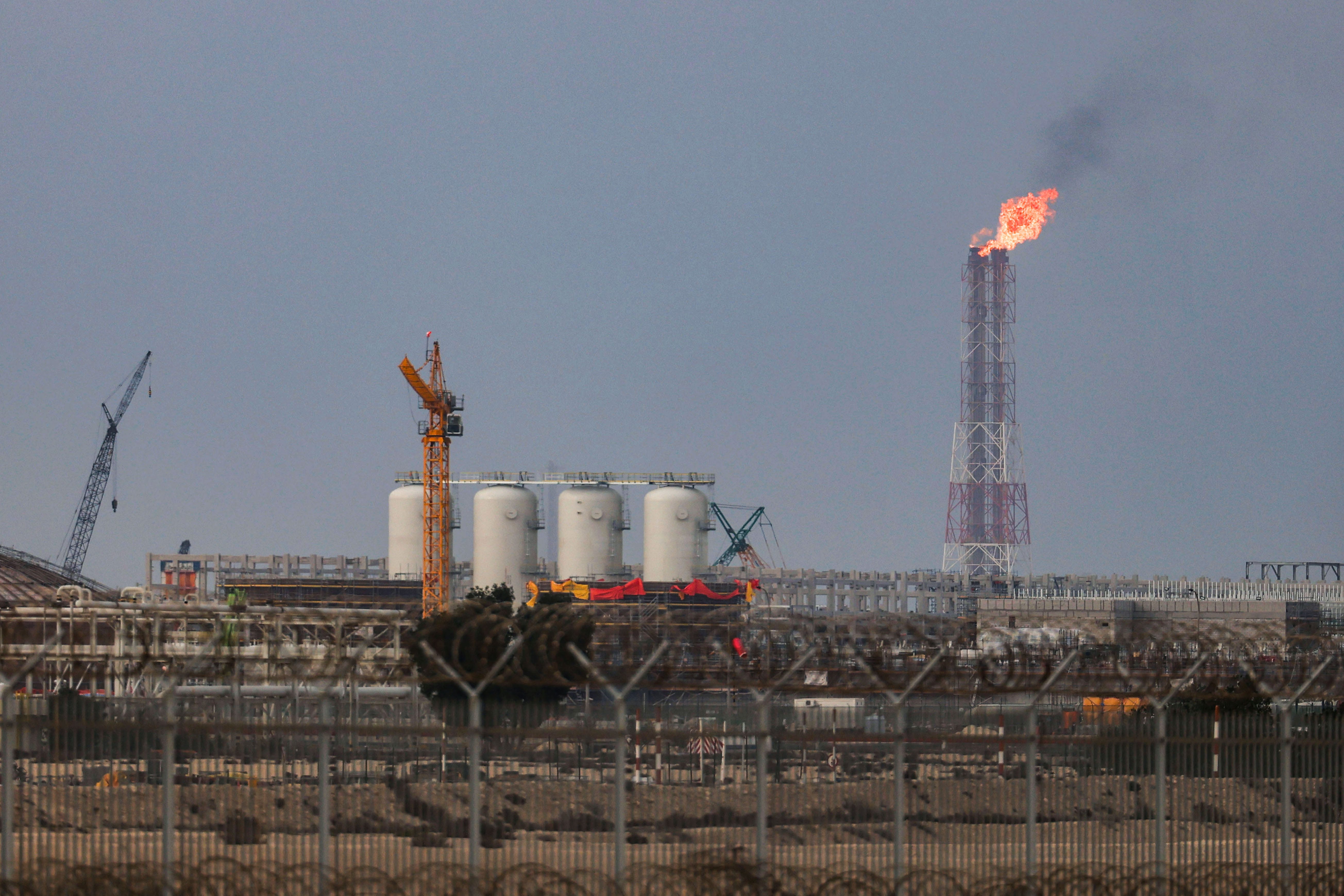
A disruption to Middle Eastern exports has removed approximately 36 million tonnes of liquefied natural gas from the global market, creating a rare opening for African producers as buyers search for supplies outside the Gulf.
- The Middle East war has removed approximately 36 million tonnes of LNG from the global market.
- Asian spot prices have almost tripled to $30 per million British thermal units.
- The missing supply is nearly equal to Africa’s total LNG exports of 39.8 million tonnes in 2025.
- Nigeria, Algeria and other African producers could benefit, but limited spare capacity restricts their immediate response.
The lost volume is almost equal to the 39.8 million tonnes exported by the whole of Africa in 2025, showing both the scale of the shortage and the difficulty of replacing it quickly.
Shell disclosed the 36-million-tonne estimate at the Gastech energy conference in Bangkok, Reuters reported.
The war has prevented Qatar and the United Arab Emirates from moving most of their LNG exports through the Strait of Hormuz, a narrow shipping route handling about one-fifth of global LNG trade.
The supply shock has pushed Asian spot LNG prices towards $30 per million British thermal units, nearly three times the approximately $10 recorded before the conflict.
DON’T MISS THIS: Africa’s largest economy boosts fuel production as 108,000 bpd refinery returns online
For buyers in Asia and Europe, the disruption increases the urgency of finding gas from producers whose shipping routes do not pass through Hormuz. That puts African exporters, particularly Nigeria, Algeria, Angola, Egypt, Equatorial Guinea and Mozambique, in a stronger commercial position.
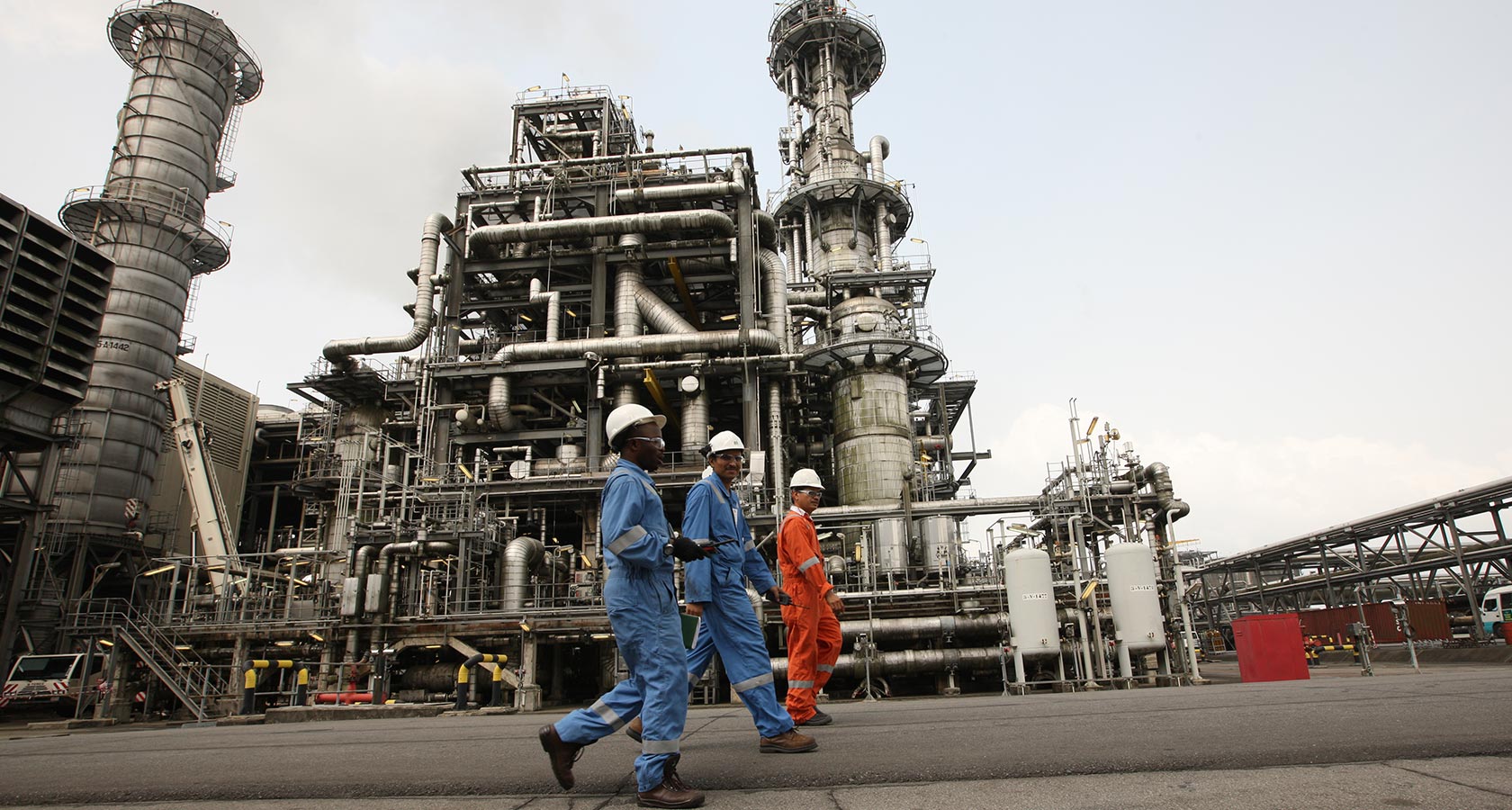
Africa’s opportunity has limits
Nigeria was Africa’s largest LNG exporter in 2025, shipping approximately 14.8 million tonnes, according to figures from the International Gas Union. Algeria followed with roughly 9.7 million tonnes.
Together, the two countries exported about 24.5 million tonnes, still considerably less than the 36 million tonnes now missing from the Middle East.
Africa’s advantage is geographical. Nigeria, Angola, Equatorial Guinea and Mozambique can reach international markets without passing through Hormuz, while Algeria has pipeline and LNG connections to Europe.
DON’T MISS THIS: Dangote refinery outranks Europe’s 10 largest refining facilities
However, higher prices do not automatically mean African producers can immediately send substantially more gas abroad.
Many cargoes are committed under long-term contracts, while some established plants suffer from ageing infrastructure, unreliable gas supplies and production constraints. Several major expansion projects are also years away from completion.
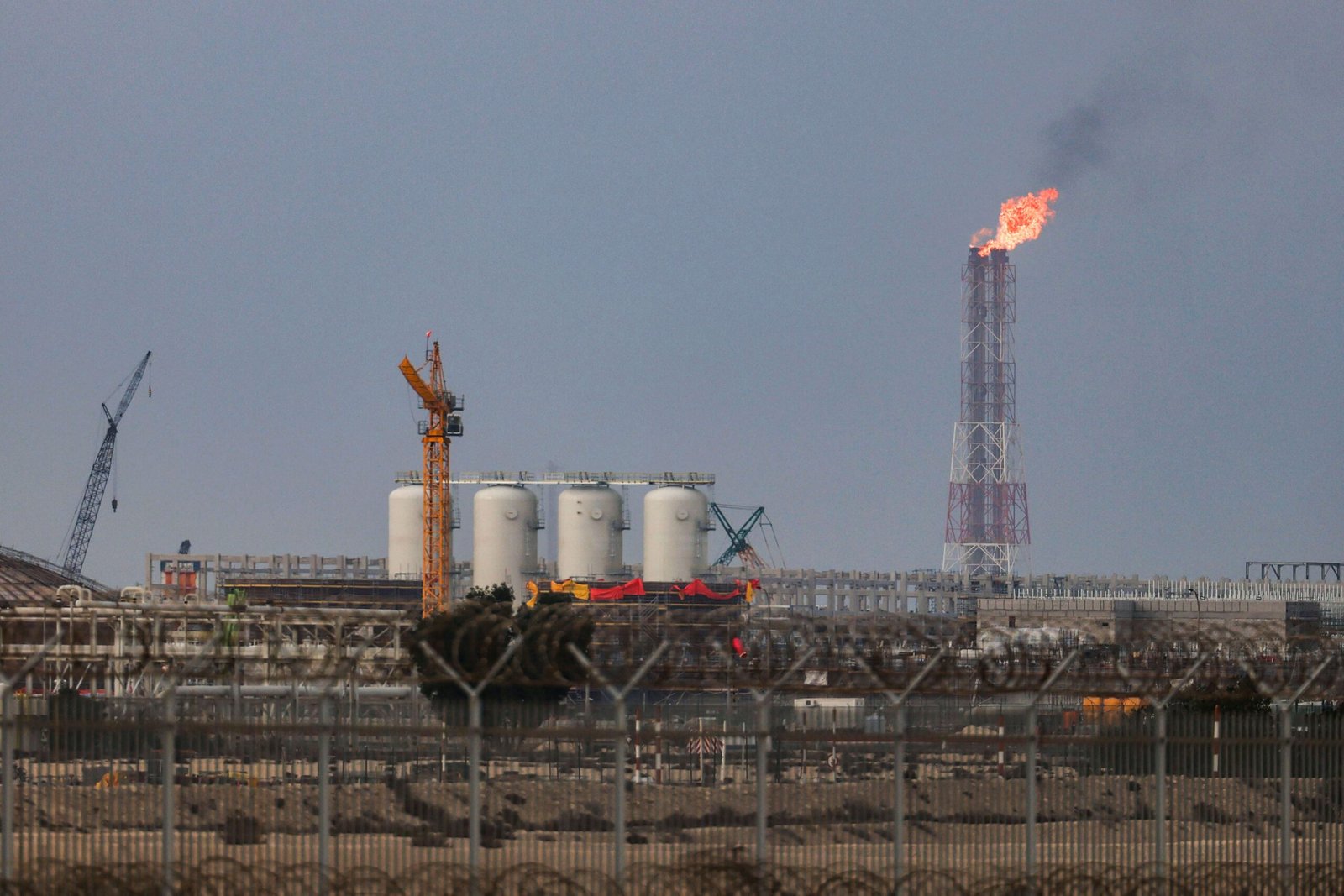
Nigeria LNG, for example, is targeting the end of 2027 to begin operating its approximately $10 billion Train 7 project. The expansion is designed to lift the company’s production capacity from 22 million to about 30 million tonnes annually.
New projects in Senegal, Mauritania and Mozambique could eventually increase Africa’s share of the global market, but they cannot immediately replace the supply already lost from Qatar and the UAE.
The clearest short-term benefit may therefore be higher earnings for African producers with uncommitted cargoes, rather than a dramatic rise in export volumes.
Shell expects between 150 million and 200 million tonnes of new global LNG production capacity to enter the market over the next five years. Until then, prolonged disruption in the Middle East could keep prices elevated and strengthen the bargaining position of available African suppliers.