





Mali has thrown its weight behind Morocco in one of North Africa’s most divisive territorial disputes, putting Bamako on the same side as Washington on an issue that Algeria, one of its closest regional partners, strongly opposes.
- Mali has reaffirmed its support for Morocco’s autonomy proposal regarding Western Sahara, despite improving ties with Algeria.
- Malian Foreign Minister Abdoulaye Diop reiterated this stance in meetings at the United Nations General Assembly.
- Mali’s position marks a diplomatic shift, as the country withdrew recognition of the Sahrawi Arab Democratic Republic in April 2026 and endorsed Moroccan sovereignty.
- Despite recent reconciliation efforts and restored relations between Mali and Algeria, the Western Sahara issue continues to divide them.
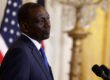
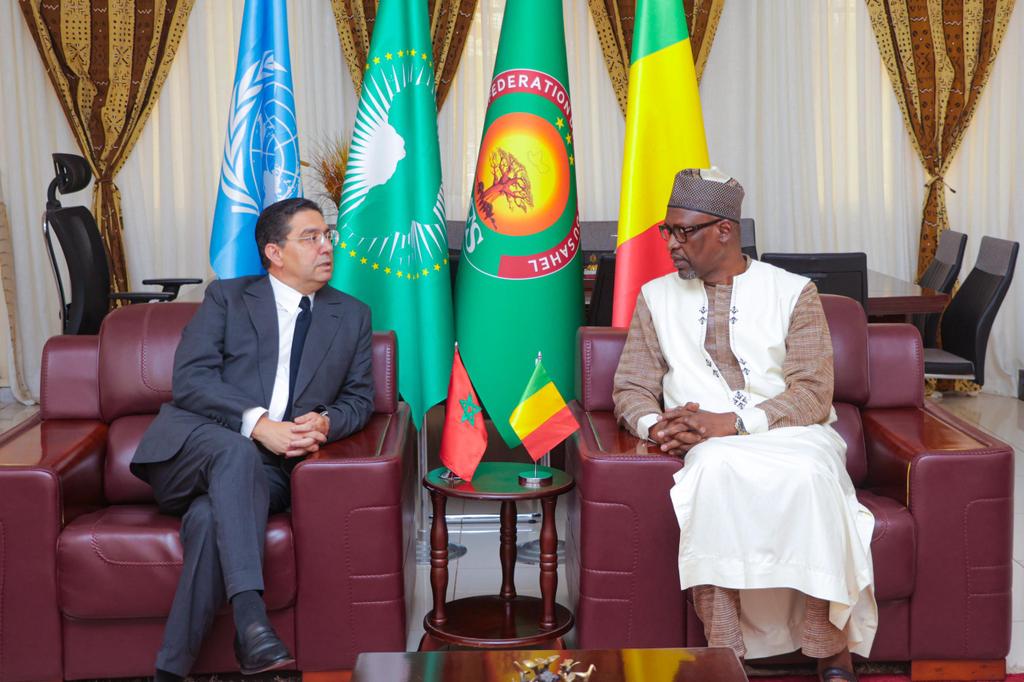
Malian Foreign Minister Abdoulaye Diop reaffirmed his country’s support for Morocco’s position on Western Sahara after meeting Moroccan Foreign Minister Nasser Bourita in New York on September 23 on the sidelines of the 81st United Nations General Assembly.
Diop reiterated Mali’s backing for Morocco’s autonomy proposal, which Bamako considers the most realistic basis for resolving the decades-old dispute.
“We hope that the current [UN] General Assembly will make it possible to advance and implement this initiative,” Diop said.
He added that cooperation between Mali and Morocco should be based on respect for the sovereignty and territorial integrity of both countries.
The move comes at an awkward moment for Algiers, which has only recently begun repairing its 15-month diplomatic rupture with Bamako while seeking to rebuild relations with the wider Alliance of Sahel States (AES).
Mali’s decision to back Morocco therefore adds a new complication to Algeria’s efforts to regain influence among the Russia-aligned Sahel bloc.
Mali shifted its position in April
Mali formally changed its position on Western Sahara on April 10, 2026, when it withdrew recognition of the Sahrawi Arab Democratic Republic and endorsed Morocco’s autonomy plan.
Under the proposal, Western Sahara would receive autonomy while remaining under Moroccan sovereignty.
Bamako reaffirmed the position in July during a Morocco-Mali joint cooperation meeting before repeating it at the UN General Assembly in September.
Mali and Algeria rebuild relations
At the same time, Mali and Algeria have been rebuilding relations after a year-long diplomatic rupture.
In July, the neighbours reinstated their ambassadors and reopened their airspace after tensions linked to Algeria’s April 2025 downing of a Malian military drone near their shared border.
The rapprochement has since gathered pace, with Malian Prime Minister Abdoulaye Maïga travelling to Algiers on August 24 before Algerian Prime Minister Sifi Ghrieb visited Bamako on September 14 and met transitional President Assimi Goïta.
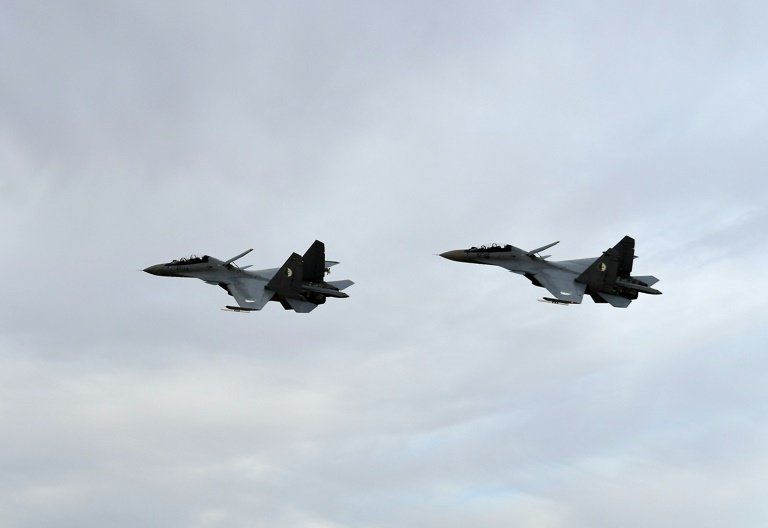
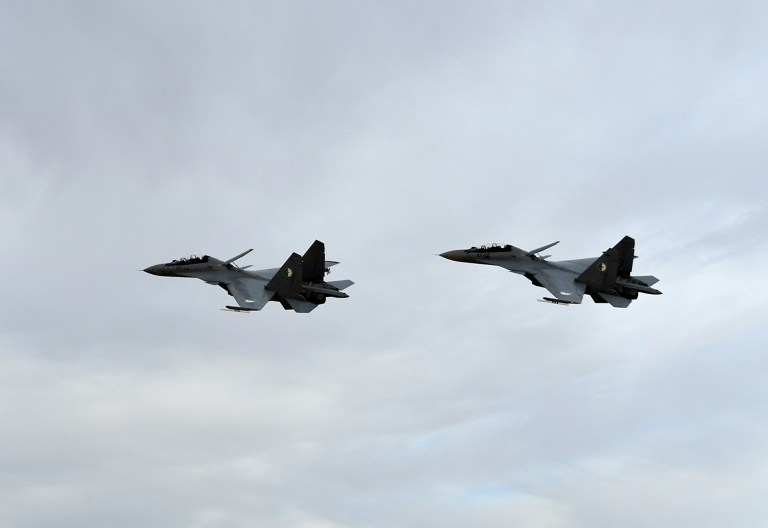
Algeria has also expanded engagement with Niger and Burkina Faso, Mali’s AES partners, as it seeks to rebuild its influence across the Sahel. In August, it also deployed fighter jets to Niger following a failed coup attempt against the military government.
Despite the improving ties, Western Sahara remains a major point of disagreement.
Mali has backed Morocco, a US-designated Major Non-NATO Ally, and its autonomy proposal, while Algeria, another regional power with longstanding security ties to Russia, continues to support Sahrawi self-determination.
The two countries are rebuilding diplomatic ties, but still stand on opposite sides of one of North Africa’s longest-running territorial disputes.