







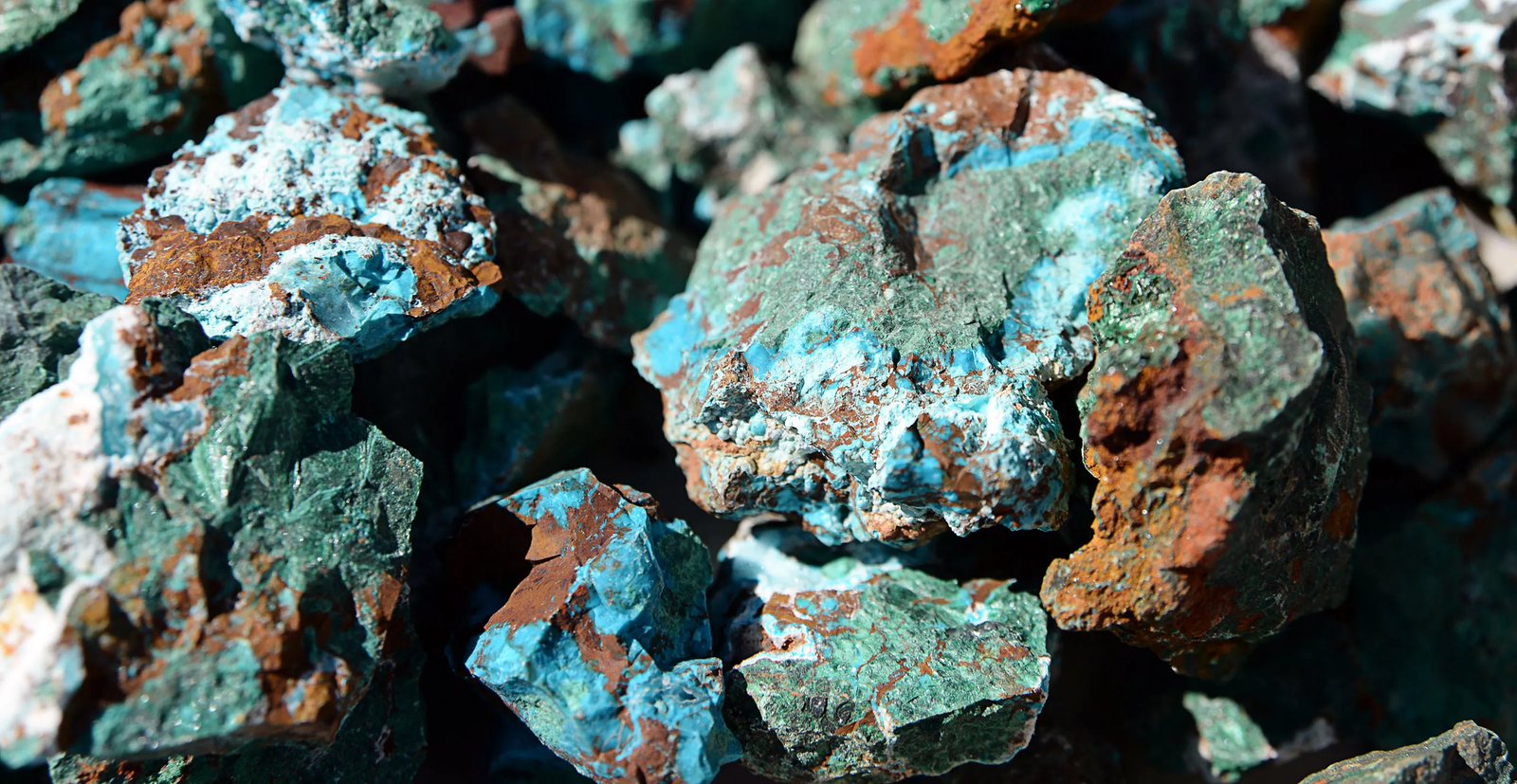
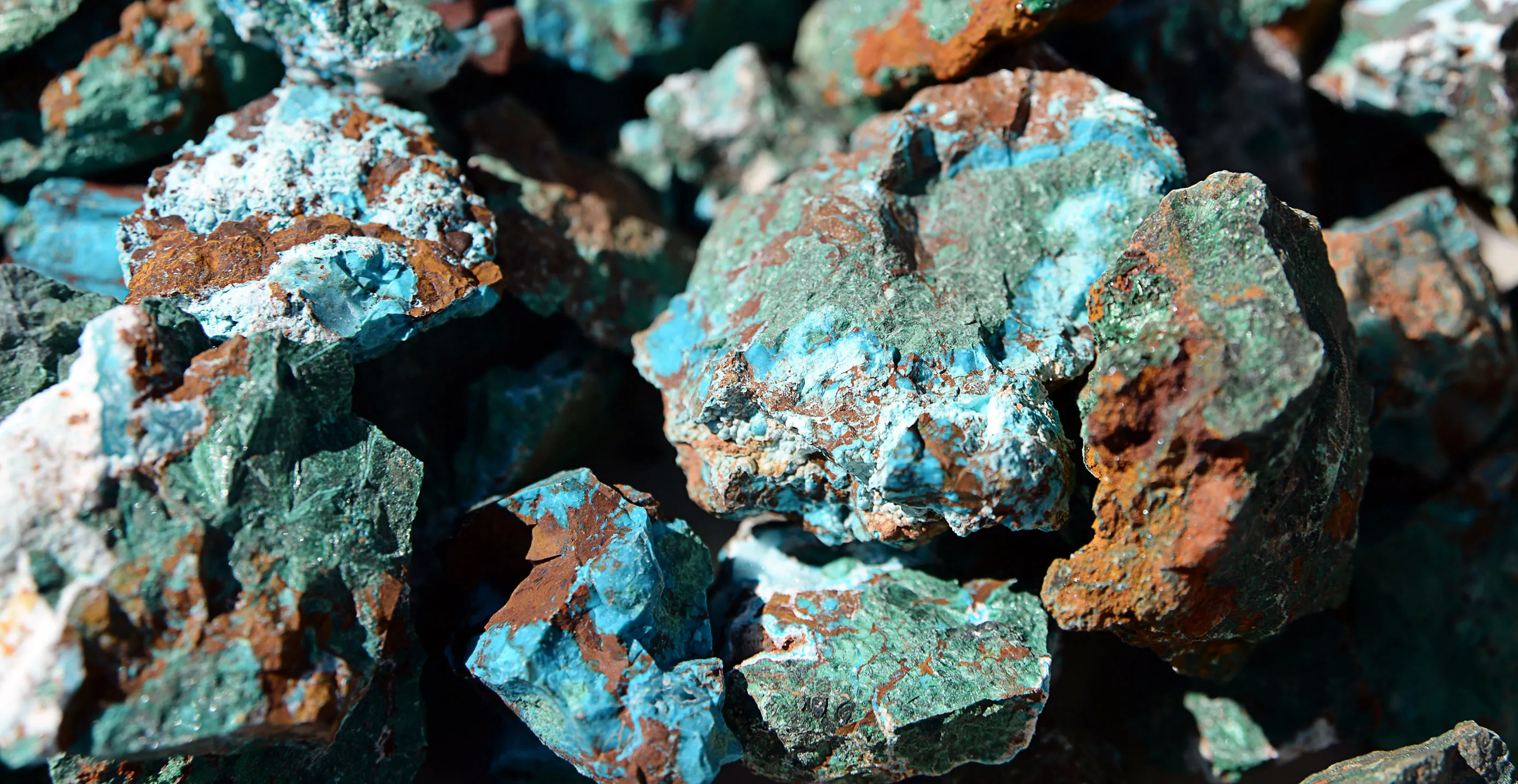
The Zambian government has restricted unrefined copper exports to force foreign mining and industrial companies, especially Chinese firms, to build local processing plants.
- Zambia has imposed restrictions on the export of unrefined copper to encourage foreign firms to build local processing plants.
- The policy aims to shift the country from exporting raw minerals to producing finished products at home.
- Zambian authorities are negotiating with international companies to establish manufacturing facilities.
- This approach is part of a broader African trend, with other nations like Nigeria and its cocoa sector also mandating local processing.
As Africa’s second-largest copper producer, Zambia wants to process its own minerals at home rather than shipping raw materials directly to foreign factories.
Zambian officials are negotiating with major international industrial firms, including China’s Wuxi Jiangnan Cable, to build local manufacturing plants capable of turning raw copper into finished products such as high-voltage electrical cables and industrial components.
DON’T MISS THIS: South African copper miner targets first ore in 90 days after $50 million mine development passes halfway
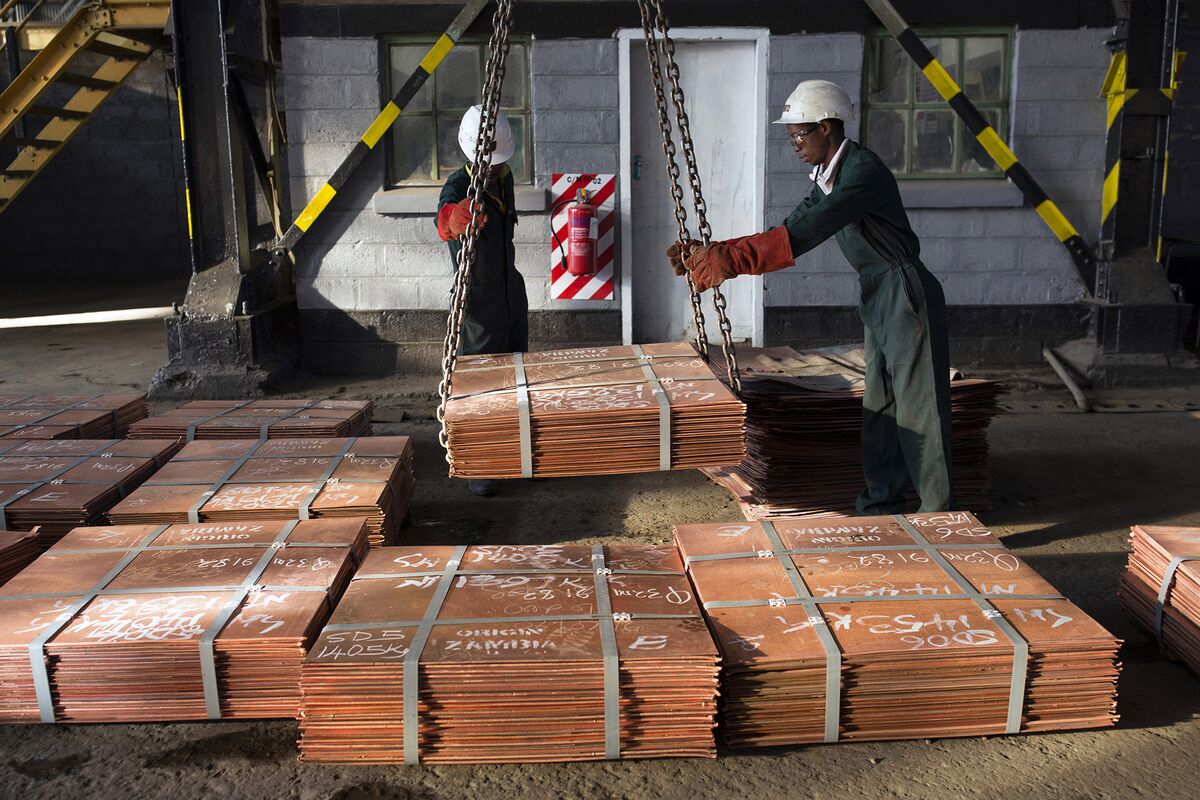
By pairing strict export controls with targeted industrial incentives, Lusaka is making in-country processing a key condition for long-term mineral access.
African countries are saying “NO” to raw export
The limits on raw metal exports reflect a broader regional push among resource-rich African countries aiming to move beyond basic extraction toward full-scale industrialization.
By requiring investors to construct local smelting, refining, and manufacturing capacity, Zambia aims to generate skilled jobs, expand state revenues, and build resilient domestic supply chains.
This policy shift extends across multiple commodity sectors on the continent. In West Africa, President Bola Tinubu of Nigeria declared an end to raw cocoa bean exports, establishing a firm mandate to grind beans, press butter, and manufacture branded chocolate products domestically.
DON’T MISS THIS: World’s fourth-largest cocoa producer bans raw exports to the West
Demonstrating cross-border cooperation, Nigeria joined forces with Côte d’Ivoire, Ghana, and Cameroon to form a strategic West African cocoa alliance.
Chinese companies invest heavily in Zambia’s mining sector. Hence, the copper policy requires them to change their approach.
Foreign investors must invest more in local processing facilities to support Zambia’s economic growth.
Engagement with Chinese cable manufacturers
Diplomatic and economic delegations are prioritizing agreements with specialized manufacturers like Wuxi Jiangnan Cable, a major producer of power transmission lines and industrial wiring.
DON’T MISS THIS: Africa holds a quarter of the world’s critical minerals powering AI and clean energy, but less than 10% of mining projects are moving ahead
Transitioning from exporting raw copper cathodes to manufacturing fully fabricated electrical products locally will substantially boost export earnings and accelerate domestic manufacturing growth.
As noted by Africa Intelligence, the negotiations highlight a growing determination among African governments to renegotiate the terms of resource extraction, turning raw mineral wealth into a long-term engine for industrial and economic development