






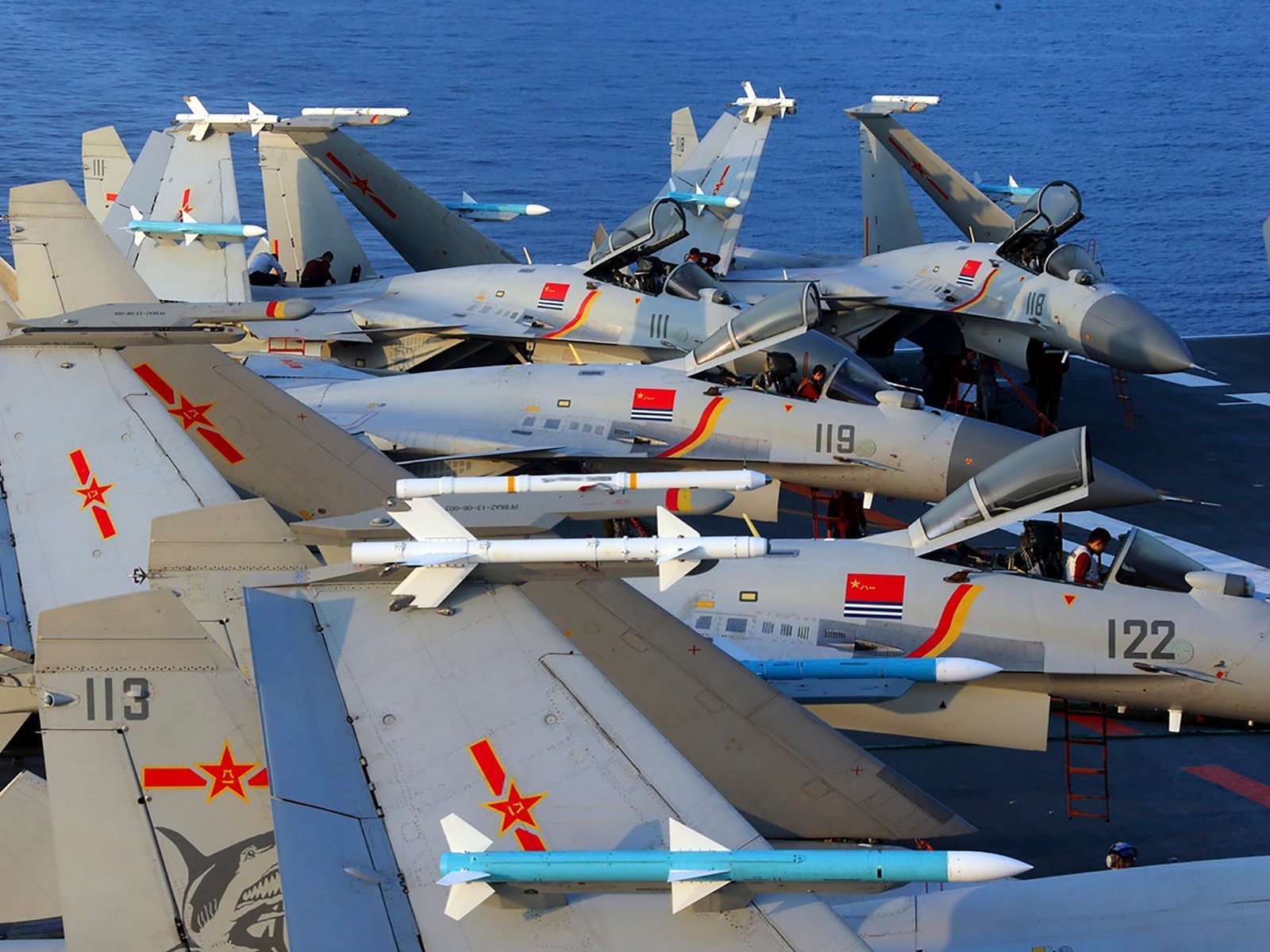
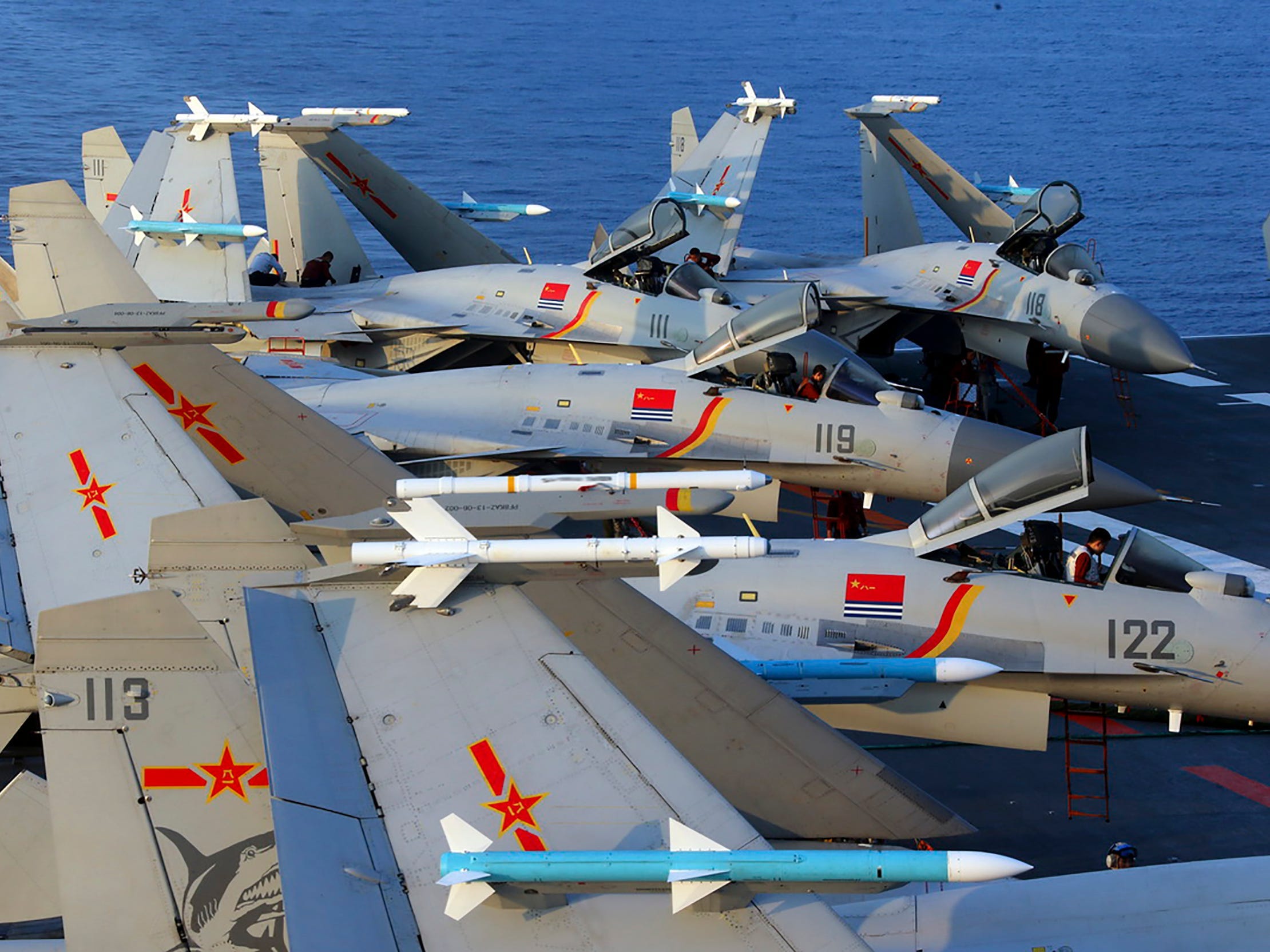
China has unveiled its first stealth fighter built specifically for export, a development that could widen fifth-generation fighter jet options for African countries beyond America’s Lockheed Martin F-35 Lightning II and Russia’s Sukhoi Su-57.
- China has unveiled the J-35AE, its first export-oriented stealth fighter, aiming to rival the US F-35 and Russian Su-57 in global arms markets.
- Africa, particularly North Africa, is a key battleground for stealth fighter sales, with Algeria, Egypt, and Morocco each deepening ties with different suppliers.
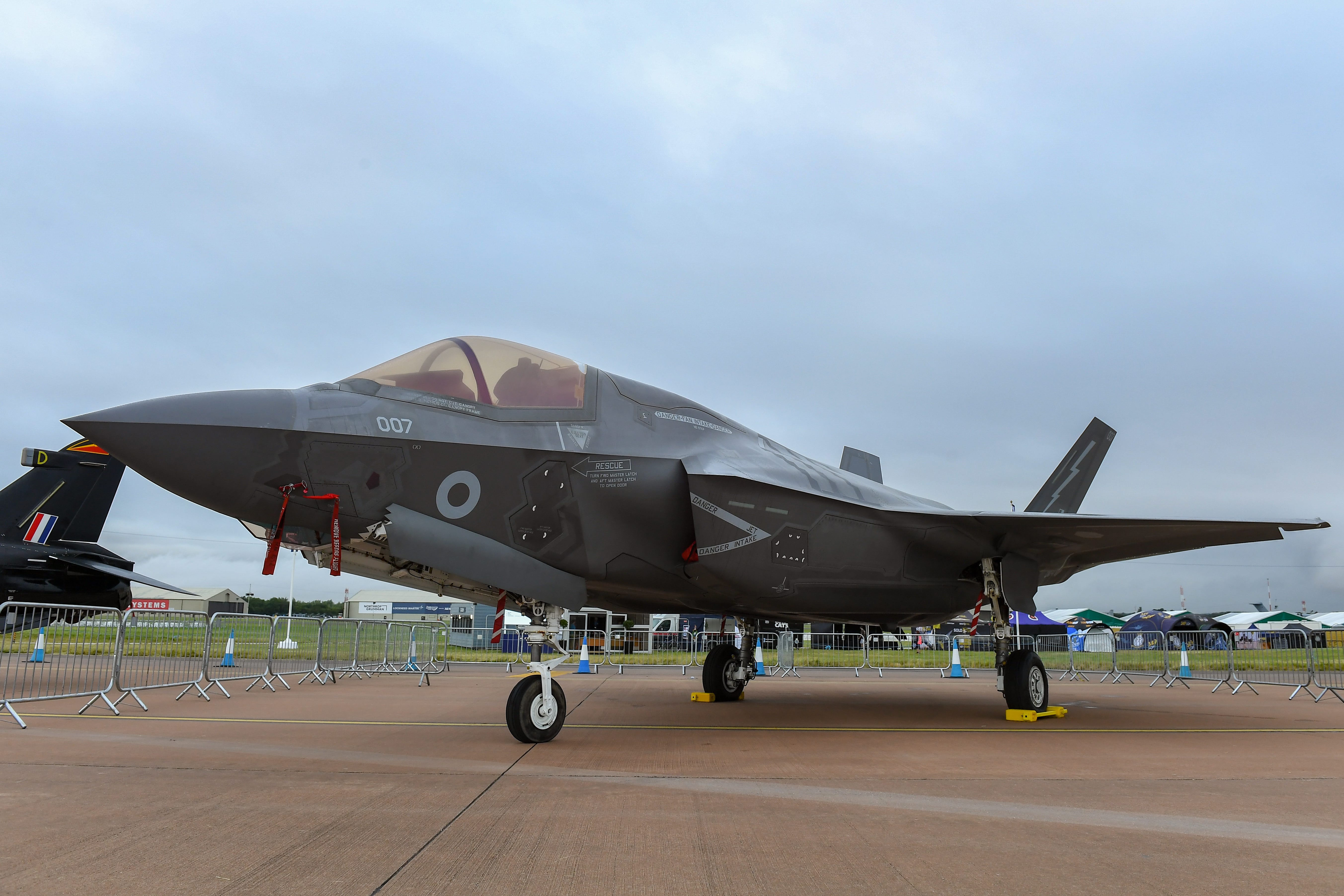
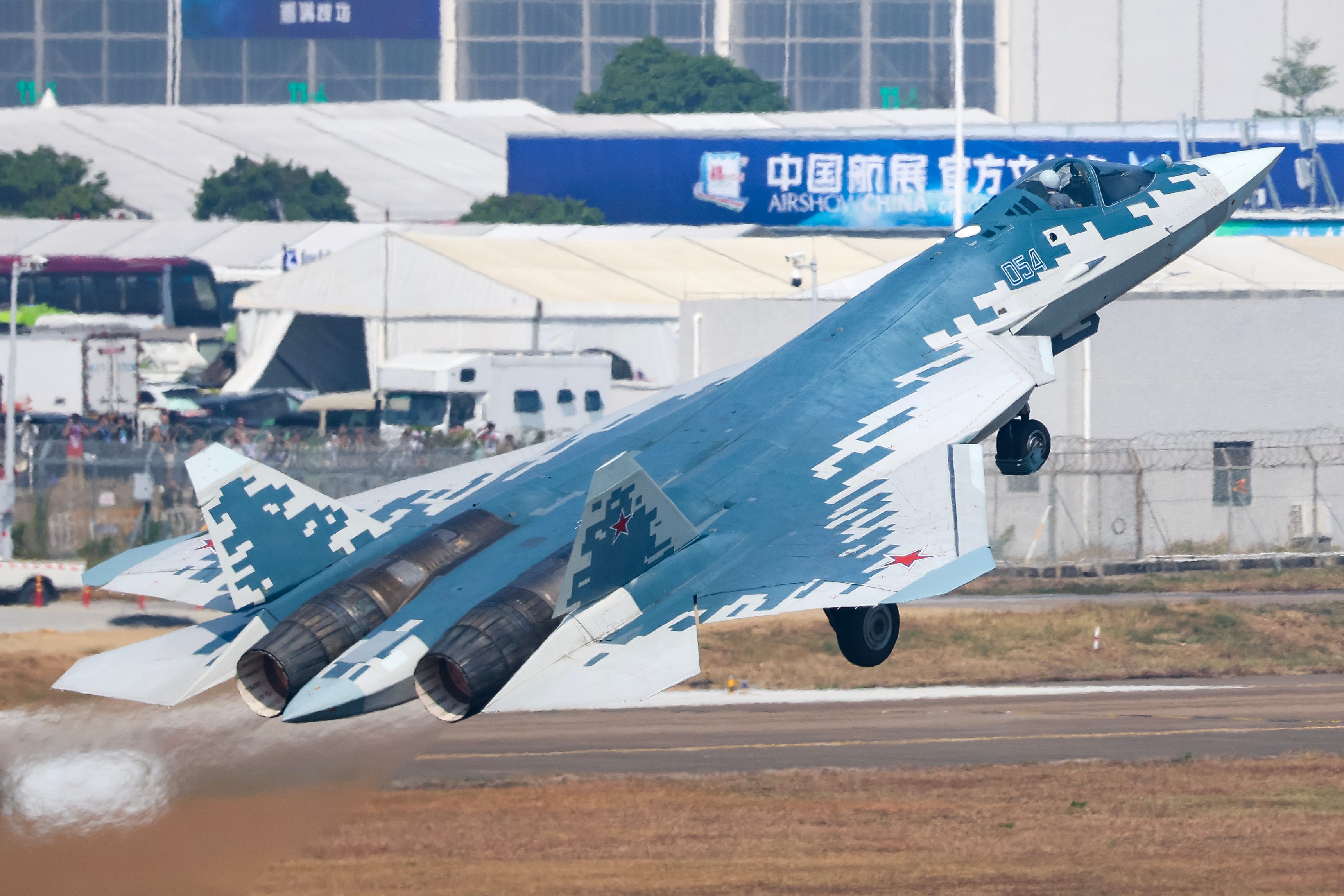
- Morocco is close to acquiring 32 American F-35 fighters, while Algeria operates Russian Su-57s and Egypt considers the Chinese J-35.
- China has widened its presence in Africa by selling drones and fighter jets, yet still lacks the overseas military infrastructure of the US and Russia, limiting its global influence.
The rollout of the J-35AE comes as several African countries accelerate military modernisation amid rising regional tensions and insurgencies.
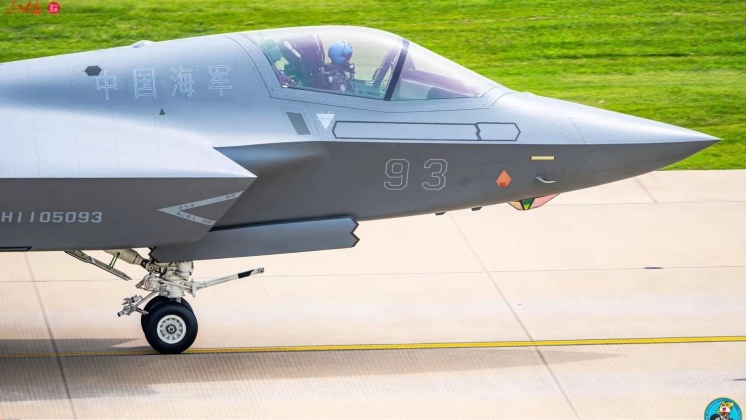
China’s latest move followed state media footage showing the export-configured J-35AE stealth fighter, signalling what analysts believe could be the aircraft’s first foreign sale and Beijing’s strongest push yet into the global stealth fighter market.
According to Military Watch Magazine, the aircraft’s export markings have fuelled speculation that China may already have secured its first foreign buyer.
The unveiling places China’s J-35AE in direct competition with America’s Lockheed Martin F-35 Lightning II and Russia’s Sukhoi Su-57.
Although the aircraft’s price remains undisclosed, the J-35AE could provide a new option for African countries seeking advanced air power beyond U.S. and Russian jets.
North Africa emerges as key battleground
Africa has increasingly emerged as a major arena in the stealth fighter rivalry, particularly in North Africa where governments are investing heavily in advanced combat aviation and air defence systems.
According to industry reports, Algeria became Africa’s first known operator of a fifth-generation fighter after receiving initial Sukhoi Su-57 deliveries from Russia in late 2025, years after reportedly ordering the aircraft alongside Su-35 fighters in 2018.
Egypt has also emerged as a focus in the competition, with a 2025 U.S. Department of Defense report identifying Cairo among countries interested in China’s J-35 programme as Egypt continues diversifying military procurement.
Cairo has acquired French Rafales and Russian MiG-29 fighters, while also pursuing the Su-35 before reportedly stepping back following U.S. pressure.
Nevertheless, the North African military power has also reportedly received Chinese J-10CE 4.5-generation fighter jets in 2025, highlighting its increasingly multi-aligned defence strategy.
Meanwhile, Morocco is increasingly viewed by industry analysts as the African country closest to securing the Lockheed Martin F-35 Lightning II following years of expanding defence ties with Washington.
Reports indicate that Rabat could acquire 32 F-35 fighters from the United States in a deal valued at around $17 billion, including maintenance and logistical support.
Morocco is also upgrading its F-16 Viper Block 72 fleet and Gulfstream G550 surveillance aircraft equipped with Israeli systems as part of a broader military modernisation push.
Security threats reshape defence spending
While some African states are pursuing advanced combat aircraft to maintain regional military dominance and strategic deterrence, others are prioritising air power modernisation to combat terrorism, armed groups and cross-border insecurity.
From the United States, Tunisia acquired Black Hawk helicopters and surveillance aircraft, while Kenya and Nigeria received A-29 Super Tucano light attack aircraft for counterterrorism operations.
In the Sahel, Mali acquired Russian combat helicopters, L-39 trainer aircraft and air defence systems following the withdrawal of French forces, while Burkina Faso and Niger expanded purchases of drones, surveillance systems and armoured vehicles amid rising insurgency threats.
Russia has also maintained longstanding defence ties with countries including Uganda, which acquired Su-30MK2 fighter jets in 2011, and Angola, which began receiving Su-30K fighters from Russia in 2017 alongside Russian helicopters.
China expands drone and weapons sales
China has simultaneously expanded its defence footprint across Africa through drone exports, military training and arms financing.
Nigeria has expanded military procurement from both China and Russia, acquiring Chinese-made Wing Loong II, CH-3 and CH-4 drones, Russian Mi-35 attack helicopters and Chinese VT-4 battle tanks.
Abuja has also boosted air combat capabilities with three JF-17 fighter jets jointly produced by China and Pakistan as it intensifies operations against Boko Haram and other armed groups.
Meanwhile, Ethiopia has deployed Chinese and Turkish drones during internal conflicts, while Kenya expanded surveillance aircraft and border security systems to strengthen operations against Al-Shabaab militants.
Politics may outweigh technology
Although Washington continues to wield significant influence over global military procurement decisions, Russia benefits from decades-old security relationships across Africa.
China, despite rapid technological progress, still lacks the overseas military infrastructure and political leverage enjoyed by its rivals, potentially limiting the global reach of the J-35 programme even as international interest grows.