






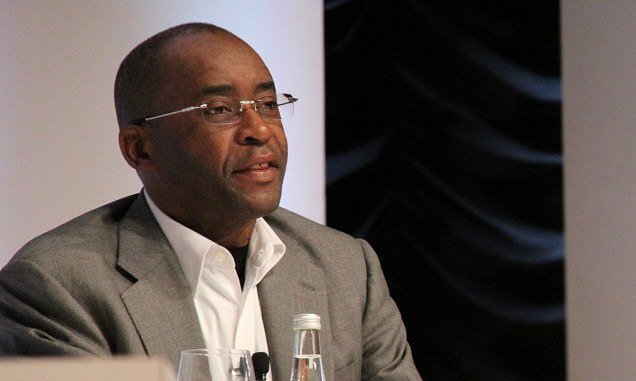

Through strategic partnerships, such as the collaboration with NVIDIA to build AI factories, and the joint venture with a U.S. firm to enhance stablecoin adoption throughout Africa, Strive Masiyiwa seems to be on an ambitious campaign to push the integration of tech within the African commercial ecosystem.
- Strive Masiyiwa is spearheading Zimbabwe’s tech integration with initiatives like Econet Tech City in Harare.
- Econet InfraCo, valued at $1 billion and listed on the Victoria Falls Stock Exchange, will manage the hub’s operations.
- The 800-acre Tech City aims to offer a self-sustaining environment with advanced infrastructure and services for international investors.
- The project is expected to host around 300 businesses, create over 20,000 jobs, and boost industrialization in Zimbabwe.
This campaign is now also evident in the billionaire’s new initiative to build an industrial center in Zimbabwe’s capital, Harare, called Econet Tech City.
Econet InfraCo will manage the project down to the tenants’ everyday operations.
Listed on the Victoria Falls Stock Exchange, Econet InfraCo is projected to be worth $1 billion, and is said to be the 16th equity on the US dollar-denominated bourse.
The company consolidates Econet Wireless Zimbabwe’s telecommunications towers, renewable energy systems, and strategic real estate into a standalone infrastructure platform.
It is listed under the ticker INFR.VX on March 31 by way of introduction, meaning no new capital was raised.
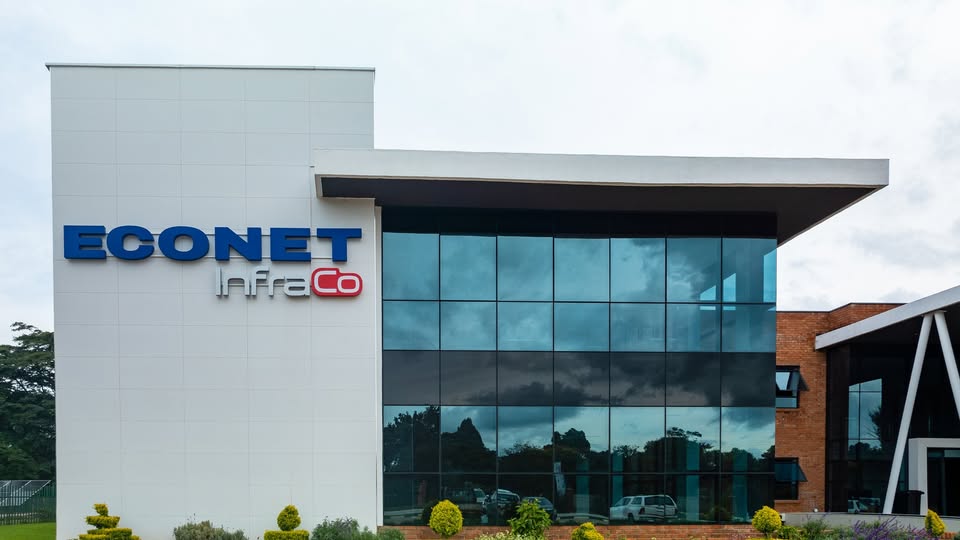
Econet Tech City
The tech city, which is set to be built on an 800-acre site near Harare’s main airport, is being designed to compete with similar cities in Asia and even Africa, specifically the 12 000-hectare Eko Atlantic hub in Nigeria’s commercial center, Lagos, as seen on HeraldOnline.
“Modern international investors don’t like hassles when they plan to build a factory or high-tech facility, like a Data Centre.
They prefer locations where everything they need – such as power, water, fibre and satellite connectivity, industrial waste management, security, street lighting and staff transport – is readily available.
They don’t want to be burdened with complex local planning approvals or licensing processes. These industrial hubs operate as a one-stop shop, managed by local experts who handle everything for them,” Masiyiwa said.
Econet Tech City will function as a completely self-sustaining environment, in contrast to conventional industrial hubs.
“The goal is to build a self-sufficient ‘city within a city’, surpassing the pre-independence industrial areas, complete with a shopping mall and clinic, but excluding housing and offices. It is intended to create a spark for industrialization,” Masiyiwa said.
DON’T MISS THIS: Daughter of Zimbabwe’s richest man strengthens grip on Econet with new leadership role
For optimal operational efficiency and robust safety standards, the facility shall be equipped with sophisticated security protocols, including perimeter fortifications, continuous manned guarding, comprehensive CCTV surveillance, and aerial drone monitoring.
To close infrastructural gaps and draw in investors, Zimbabwe’s richest man underlined that cooperation with the Zimbabwean government will be crucial.
Regarding project timelines, Masiyiwa said: “From Econet’s perspective, we can complete the site within two years, but government incentives for businesses are crucial. Zimbabwe is competing with cities like Lagos, Cape Town, Nairobi, and Kigali, he stated.
Once completed, the industrial hub is projected to accommodate approximately 300 businesses and facilitate the creation of over 20,000 jobs, establishing it as a preeminent private-sector development initiative within Zimbabwe.