






Ghana’s new defence cooperation agreement with Burkina Faso is facing an immediate test from traders who say they remain uncertain about how the security arrangements will work in some of the most dangerous areas of Burkina Faso.
- Ghana and Burkina Faso have signed a new defence cooperation agreement focused on securing key trade routes and sharing intelligence.
- Ghanaian tomato traders express doubts about the practical implementation, especially regarding security escorts in high-risk areas.
- Burkina Faso is battling a severe jihadist insurgency, which has disrupted key trading corridors and poses a threat to traders.
- Traders report a lack of clear communication from both governments about how the new security measures will work on the ground.
The Ghana National Tomato Traders and Transporters Association has questioned the practical implementation of the agreement, particularly a provision for security personnel to escort traders along key cross-border trade routes.
The concerns come as Burkina Faso continues to battle a severe jihadist insurgency that has disrupted trade and transportation across large parts of the country.
DON’T MISS THIS: Africa’s largest gold producer widens lead over Mali and Burkina Faso as gold exports hit record $20 billion
Eric Osei Tuffuor, chairman of the Ghanaian traders’ association, told the BBC that many of the areas where Ghanaian traders source tomatoes have already been designated as security hotspots, with authorities advising people against travelling there.
“They bombed one of our trucks. It has been there for two years now,” Tuffuor said, explaining that he had petitioned Ghana’s diplomatic mission for assistance in recovering the vehicle but had received no meaningful response.
He questioned how traders could be confident about an arrangement that would require security forces to escort them into areas already considered dangerous.
According to Tuffuor, traders have also not been briefed by officials from either country on how the new security arrangements will operate.
A vital trade corridor faces a security test
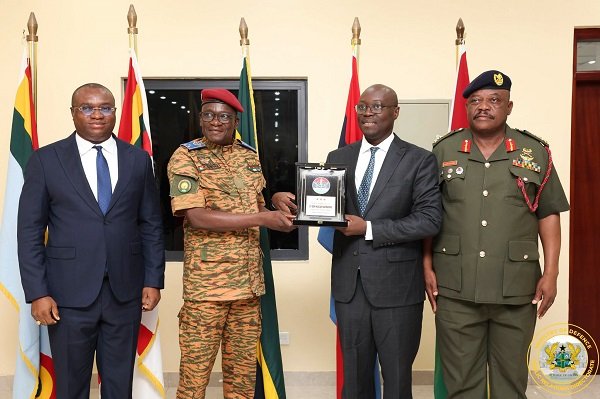
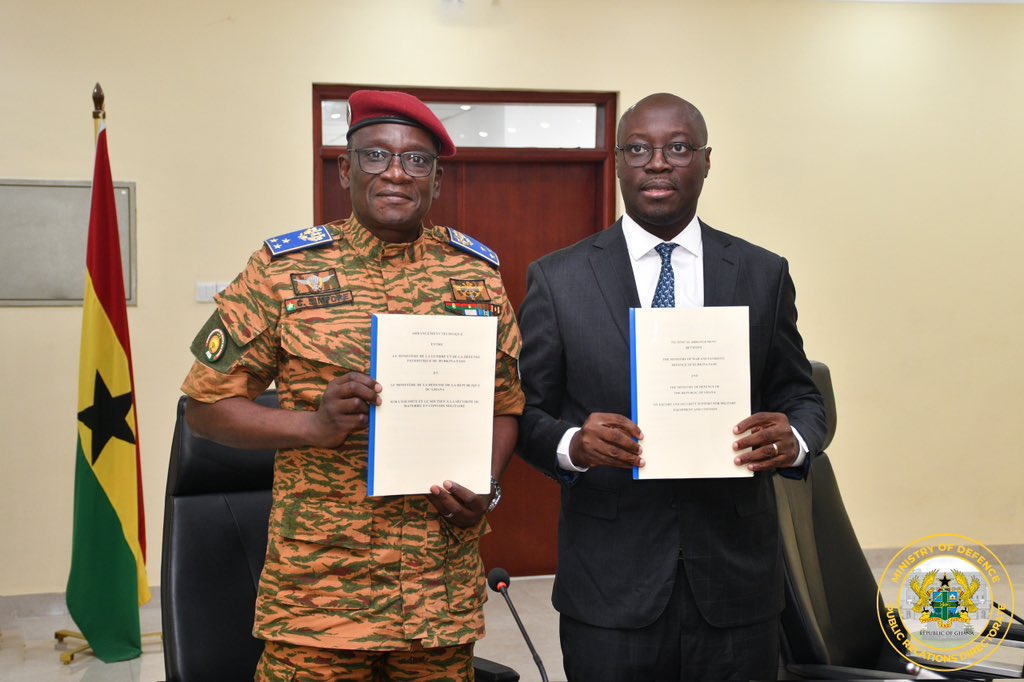
Ghana and Burkina Faso signed the defence cooperation agreement on Monday, with Ghana’s Acting Defence Minister Cassiel Ato Forson and Burkina Faso’s Minister of State and Minister of War and Patriotic Defence, Major General Célestin Simporé, signing the agreement.
The arrangement provides for intelligence sharing and military escorts, with Ghana’s Defence Ministry saying its objectives include protecting economic stability, securing critical supply routes and strengthening bilateral defence ties.
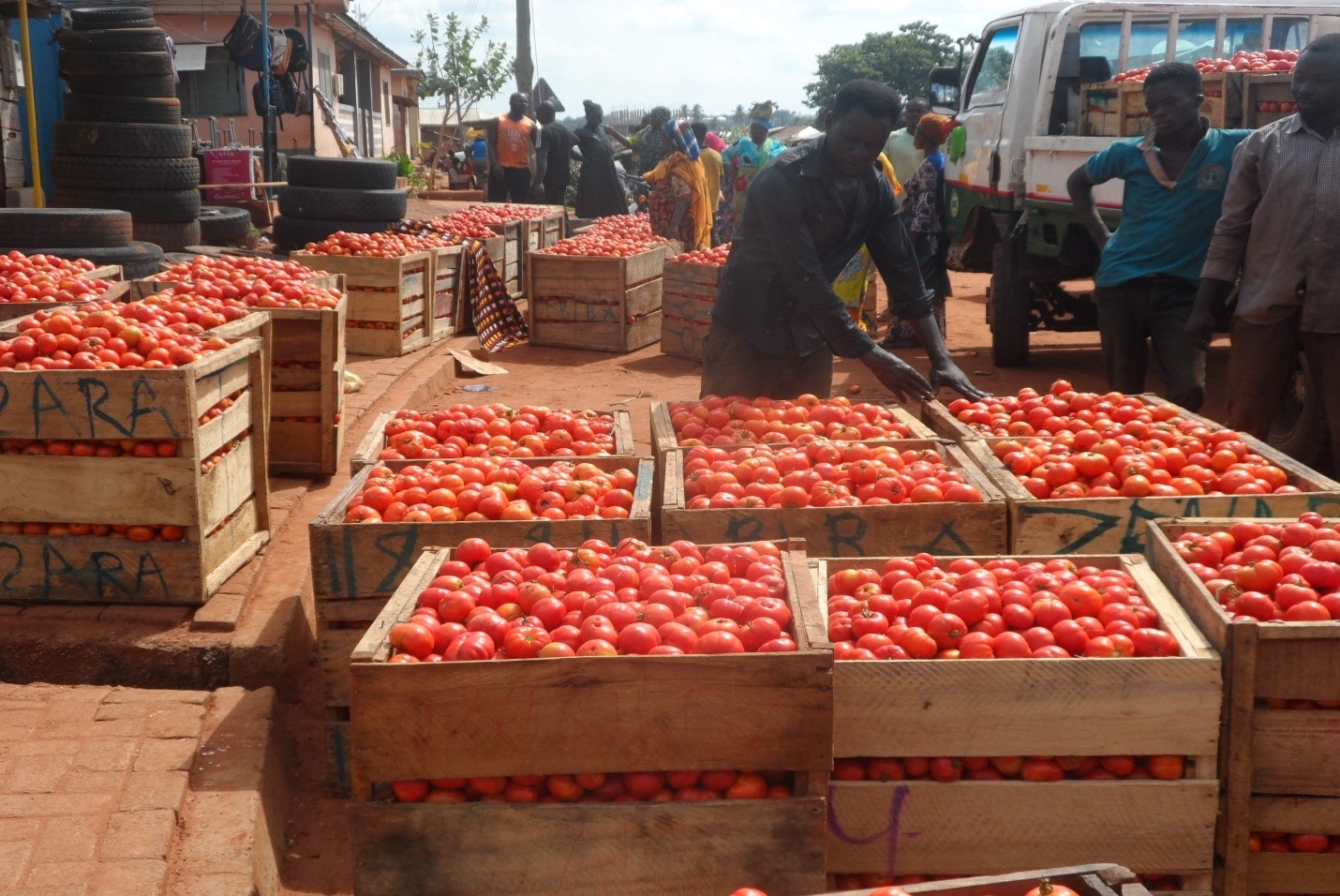
The agreement is particularly significant for Ghana’s food supply chains. The country imports fresh tomatoes from Burkina Faso worth more than $22 million annually, while Ghanaian traders depend on northern routes to access the Burkinabe market.
The security challenge became more urgent after a jihadist attack earlier this year killed eight Ghanaian traders.
DON’T MISS THIS: Ghana and Burkina Faso seal seven deals to secure West Africa’s key trade corridor
Burkina Faso’s military is already fighting jihadist groups on multiple fronts, raising questions about whether it has sufficient troops and logistical capacity to provide regular escorts for commercial convoys.
There is also a potential security dilemma: heavily protected convoys could deter attacks, but they could also become attractive targets for JNIM, the Al-Qaeda-linked militant group operating in southern Burkina Faso and areas close to Ghana’s northern border.
Ghana has so far avoided a direct jihadist attack, but its government has increased military deployments along the northern frontier amid concerns that militants could use the country as a safe haven and transit route.
The success of the agreement will therefore depend not only on the political commitment of Accra and Ouagadougou, but also on funding, intelligence coordination, troop availability and the confidence of the traders the deal is designed to protect.