






Kenyan contractors are challenging tax and customs concessions they say favour firms working on Chinese-financed infrastructure projects, setting up a legal dispute over the terms under which foreign and local businesses compete for construction work.
- Kenyan contractors want the government to disclose tax and customs concessions linked to Chinese-financed infrastructure projects.
- They allege that the arrangements give foreign competitors a cost advantage of 25% to 35%.
- The attorney-general opposes the petition and says it belongs in a different forum.
- The case is separate from an earlier court ruling requiring disclosure of contracts for Kenya’s Chinese-backed railway.
The contractors and truck owners want the government to publish the instruments authorising concessions on projects dating back to 2008.
They allege that differences in tax treatment give foreign firms a 25% to 35% cost advantage. Those figures are the petitioners’ claims; a court has not established that Chinese contractors received an unlawful advantage.
DON’T MISS THIS: Kenya’s government butt heads with Chinese Huawei over a $12m tax issue
The petition was filed in August. In a 24 September court report, Business Daily detailed the businesses’ allegations and reported that Kenya’s attorney-general had opposed the case, arguing that it raised no constitutional question and was brought before the wrong court. The next mention is scheduled for 6 October.
The fight over equipment costs
The petitioners include the African Centre for Corrective and Preventive Action and Kenyan firms involved in lifting, haulage and construction services.
They say foreign contractors can import machinery for major projects without paying duties borne by local businesses buying comparable equipment.
They further allege that some imported equipment remains in Kenya and competes for other work after the original projects end.
The businesses put the acquisition cost of a truck for a local operator at at least 51% more than for a competitor benefiting from duty-free importation.
DON’T MISS THIS: China resumes big-ticket projects in East Africa with Kenya’s $1.5b highway expansion
That is a separate claim from their estimated 25% to 35% overall cost gap, and neither figure has been independently established in the proceedings cited by Business Daily.
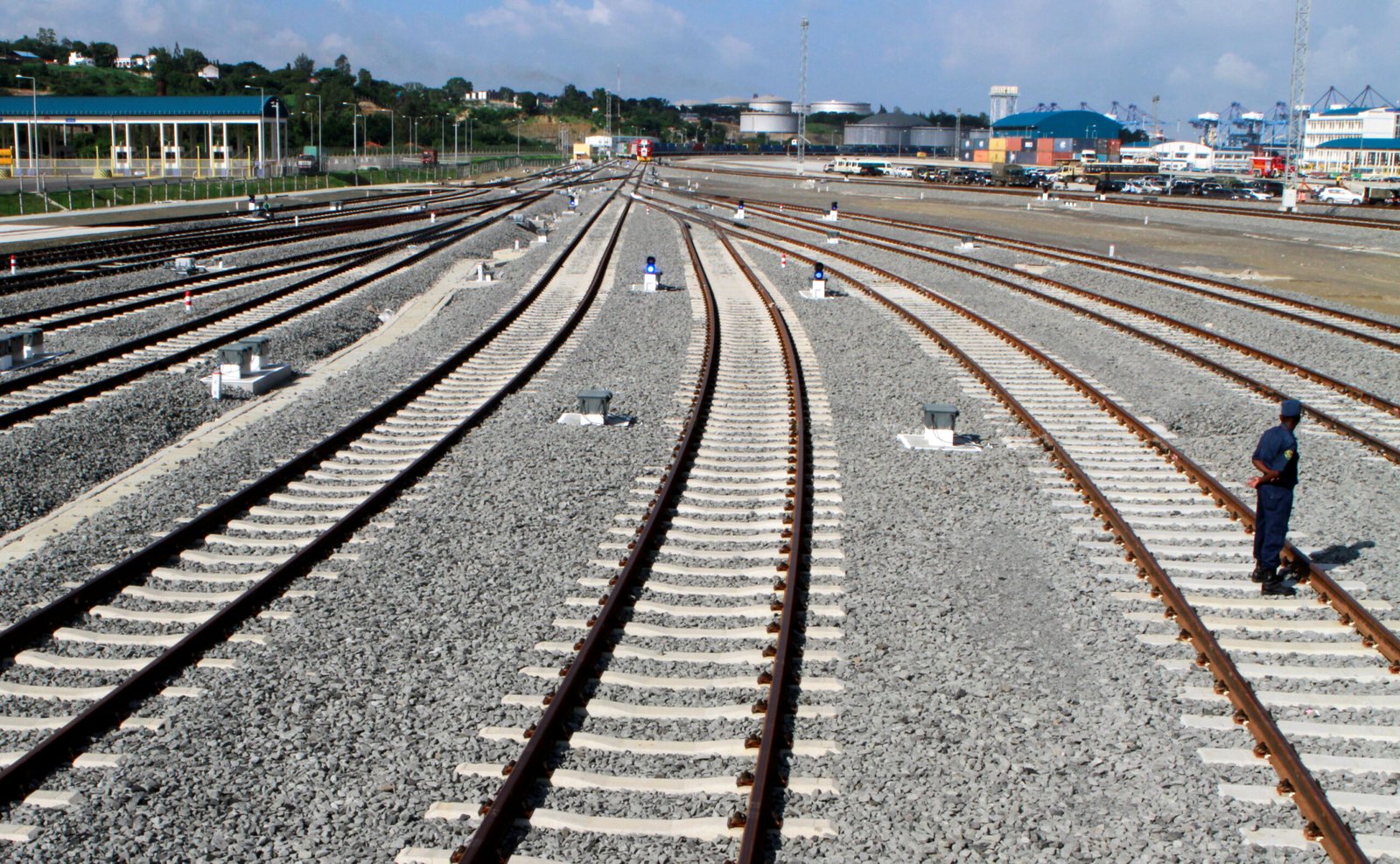
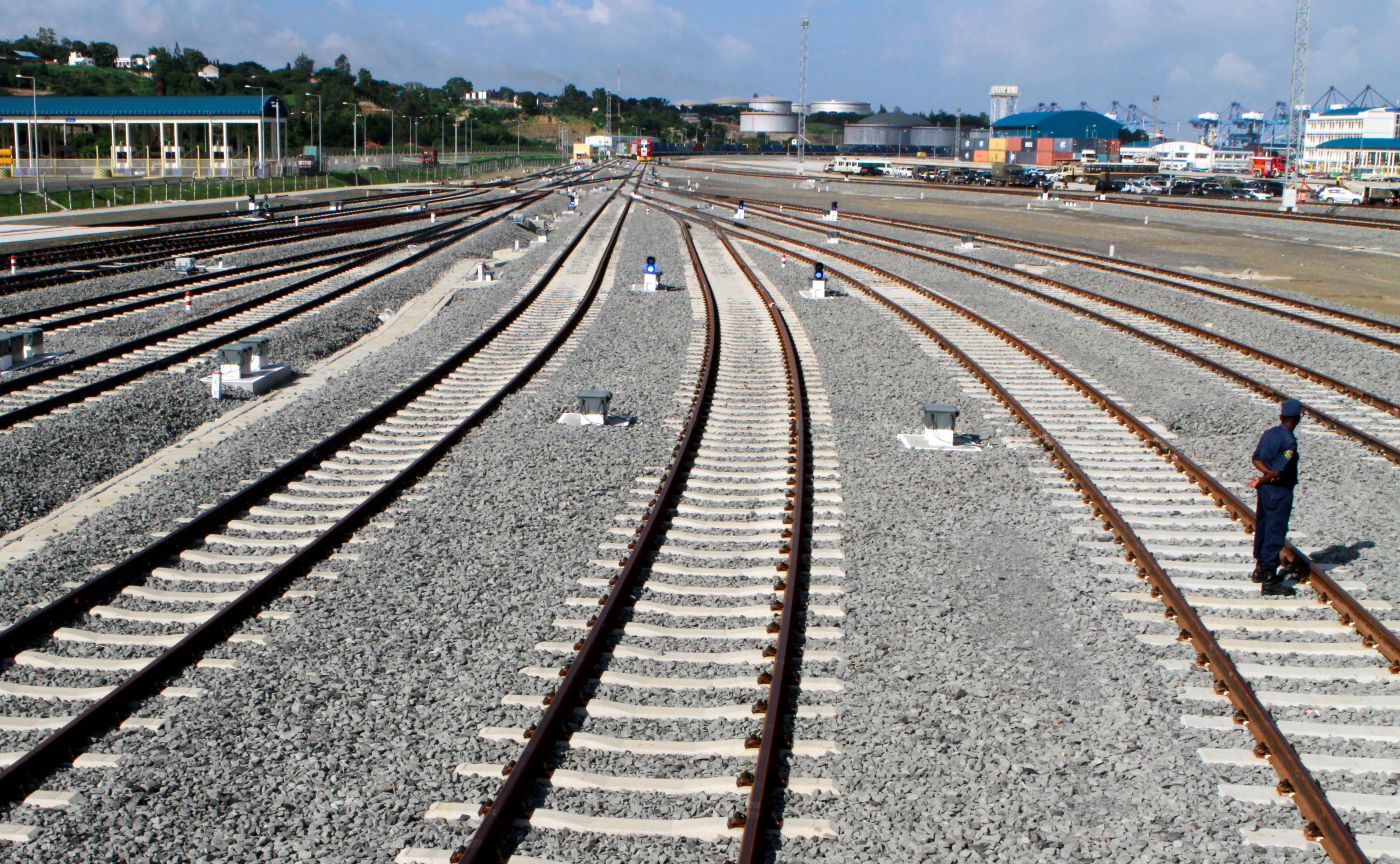
The petition seeks disclosure of the legal notices and other government instruments behind concessions associated with Chinese-financed projects, including the standard gauge railway, Nairobi Expressway, Thika Superhighway and Lamu Port.
It does not establish that every contractor on every named project received the same exemption. The attorney-general, for its part, argues that the dispute is commercial and should be heard elsewhere.
DON’T MISS THIS: Kenya’s government butt heads with Chinese Huawei over a $12m tax issue
A broader dispute over disclosure
The case follows a separate battle over access to the standard gauge railway’s contracts. In May 2026, Kenya’s Court of Appeal rejected the government’s attempt to withhold railway agreements, finding that it had not adequately justified its confidentiality claims.
That ruling concerned disclosure of railway documents, it did not decide whether the tax concessions challenged in the contractors’ current case are lawful.
The new petition raises a question with consequences beyond one railway or road, whether the public and competing businesses can see the legal basis for concessions included in large infrastructure deals.
For the Kenyan firms bringing the case, access to those terms is central to testing whether they compete on equal footing. Whether the court agrees remains open.