





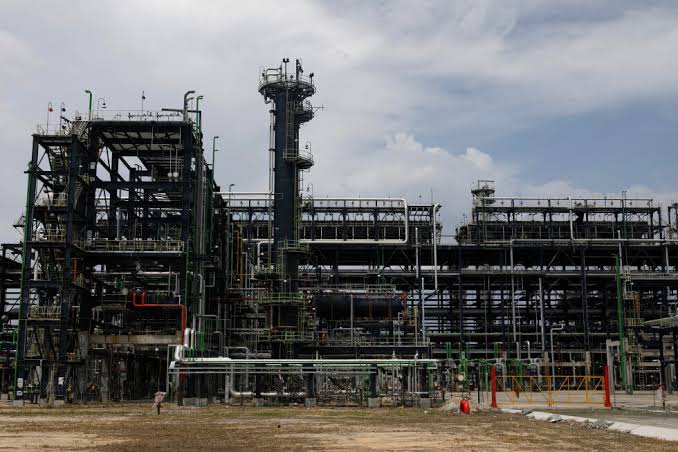
Senegal has enlisted a Turkish company for a proposed second oil refinery and an upgrade of its existing plant, in a bid to process more of its newly produced crude at home and sell fuel across West Africa.
- Senegal’s state refiner has signed a preliminary agreement with Turkey’s Yamata for a second refinery.
- The proposed plant would process four million tonnes of crude a year, including oil from Senegal’s Sangomar field.
- A separate upgrade of the country’s existing refinery brings the combined estimated cost to as much as $3.5 billion.
- Yamata is expected to arrange financing without a sovereign guarantee, but funding and construction have yet to be secured.
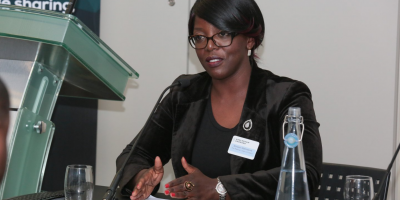
The Société Africaine de Raffinage (SAR), Senegal’s state refiner, signed a memorandum of understanding with Yamata in New York on 23 September, during the United Nations General Assembly. President Bassirou Diomaye Faye attended the signing.
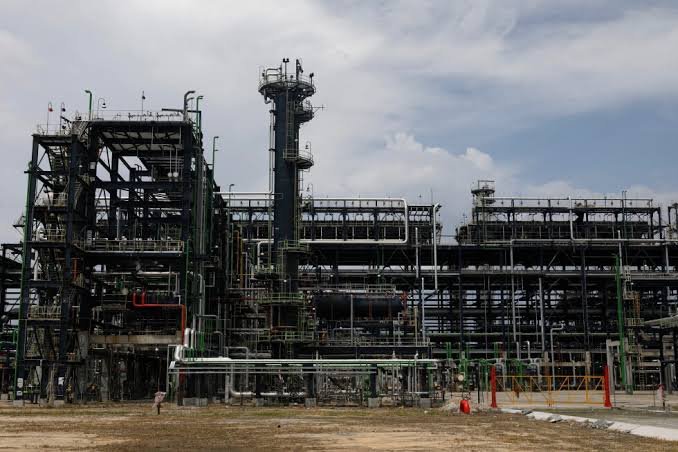
The proposed new refinery would process four million tonnes of crude a year and is estimated to cost $2 billion to $3 billion. Modernising SAR’s refinery at Mbao, near Dakar, carries a separate estimated cost of $300 million to $500 million.
DON’T MISS THIS: Senegal plans second oil refinery with $5bn investment to boost West Africa’s supply
Together, the estimates put the programme at $2.3 billion to $3.5 billion. They are projected costs, not an announcement that Yamata has already raised or invested that amount.
From producing crude to making fuel
Senegal joined Africa’s oil-producing countries when Woodside Energy began output from the offshore Sangomar field in June 2024.
Sangomar crude first reached SAR’s existing refinery in February 2025, but the country still relies on imported petroleum products to meet part of its fuel needs. SAR says its Mbao plant processes about 180 tonnes of crude an hour and covers roughly half of national hydrocarbon needs.
DON’T MISS THIS:New oil-rich West African country set to put 109 oil and gas blocks up for grabs as it seeks billions in new investment
That gap explains the ambition behind the second plant. It is intended to handle Sangomar crude as well as other grades, supplying Senegal first and potentially leaving fuel for neighbouring markets.
A refinery capable of processing four million tonnes annually would be substantially larger than the existing Mbao operation, though the proposed capacity would become meaningful only if the plant is financed, built and supplied with crude.
The project also includes proposed petrochemical activity. SAR forecasts more than 15,000 direct jobs during construction, a projection that depends on the project proceeding; it is not a count of permanent refinery positions.
DON’T MISS THIS:Senegal’s political crisis deepens as parliament speaker quits after PM’s shock dismissal
The financing test
Under the arrangement described by Senegal’s presidency, Yamata would handle engineering, procurement and construction and seek financing from its partners without a sovereign guarantee from Senegal.
That detail matters for a country working to restore debt sustainability. On 1 September, the International Monetary Fund announced a staff-level agreement on a proposed $2.2 billion programme for Senegal, which still requires further approvals and financing assurances.
The New York signing advances discussions that were already under way. Senegal’s prime minister’s office identified Yamata in August 2025 as a prospective financing and implementation partner for the SAR 2.0 project.
The newly signed memorandum gives those talks a formal framework, but detailed engineering and the financing structure still need to be finalised before construction can begin. No start date for the new refinery was established in the announcement.