





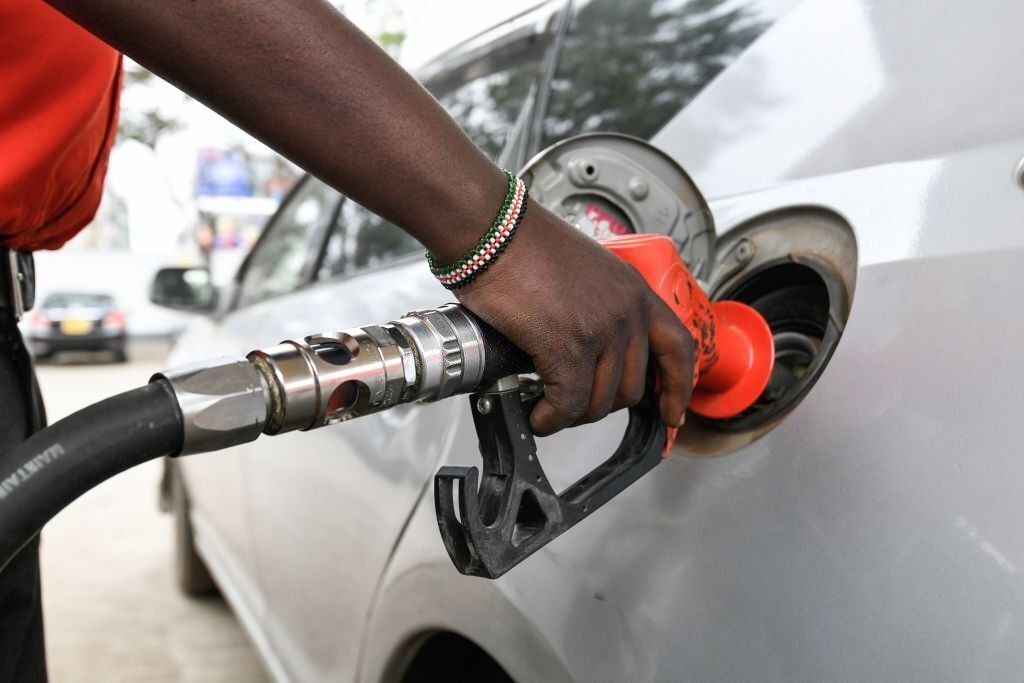
Morocco has extended direct fuel support for commercial transport operators after petrol and diesel prices rose for the second time in less than three weeks, increasing pressure on passenger fares and freight costs.
- Morocco has extended direct fuel support for passenger and freight transport operators.
- The latest payment covers August 1 to 15, with applications opening on August 19.
- Petrol has risen to about $1.63 per litre, while diesel costs roughly $1.53.
- Morocco imports about 90% of its energy needs and has had no operating refinery since 2015.
The Ministry of Transport and Logistics said the latest payment would cover the period from August 1 to 15, 2026. Applications will open on August 19 through the government’s Mouakaba digital platform.
The programme covers operators involved in passenger and freight transport, including taxis, buses, tourist transport vehicles and goods carriers.
The government did not disclose the value of the latest payment or the amount each operator would receive.
The new support comes after fuel distributors raised pump prices by about MAD 1, or $0.11, per litre in early August.
Diesel prices increased to about MAD 14.30, or $1.53, per litre, from roughly MAD 13.30. Premium petrol rose to about MAD 15.24, or $1.63, from MAD 14.24, although prices vary between distributors and regions.
The August increase was the second in less than three weeks, reversing some of the relief consumers received when prices declined earlier in the year.
DON’T MISS THIS: Morocco sets aside $2 billion to shield economy from middle east energy shock
Unlike a blanket subsidy for all motorists, the programme directs payments to professional transport operators whose fuel costs can quickly filter through to public transport fares, food distribution and the wider supply chain.
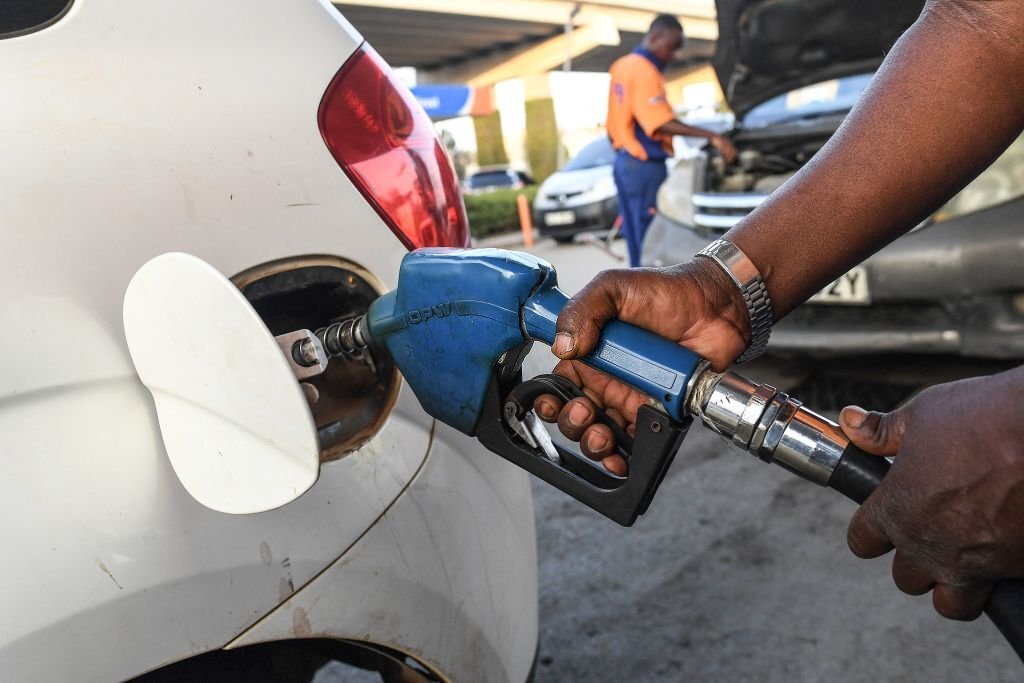
The government has moved to a twice-monthly payment system, allowing the level of assistance to respond more closely to changes in international oil and refined-product prices.
Morocco reinstated the targeted support in March following a sharp increase in global energy prices. By March 25, authorities had received 67,951 applications covering 95,660 vehicles, according to figures disclosed by government spokesperson Mustapha Baitas.
DON’T MISS THIS:Morocco spends over $300 million monthly shielding consumers from energy shock linked to Iran conflict
The electronic system has previously been used to administer support for about 170,000 commercial vehicles.
Morocco’s exposure to imported fuel
The subsidy highlights Morocco’s vulnerability to changes in global energy markets.
The North African country imports about 90% of its energy requirements and has depended entirely on imported petrol and diesel since its only oil refinery, Samir, stopped operating in 2015 over unpaid debts.
Morocco’s energy import bill stood at MAD 107.56 billion, approximately $11.5 billion, in 2025, despite declining by about 5% from the previous year.
That dependence became more costly earlier in 2026, when international oil-market disruptions pushed local petrol and diesel prices up by about 30%.
The government responded by reintroducing support for taxis, buses and trucks while allocating additional money to prevent rising energy costs from feeding more aggressively into transport fares, electricity prices and household expenses.
In May, Morocco announced plans to add MAD 20 billion, about $2 billion, to its 2026 budget to absorb the economic effects of higher energy costs and other unexpected pressures.
Budget Minister Fouzi Lekjaa said support for transport and electricity was costing the state about MAD 648 million, approximately $70 million, each month at the time.
DON’T MISS THIS:Morocco’s billionaire prime minister faces renewed pressure as fuel-price anger, refinery politics and conflict-of-interest claims collide
The intervention represents a partial reversal of Morocco’s earlier subsidy reforms. The government removed general diesel subsidies in 2014 as part of efforts to reduce the fiscal burden created by keeping domestic fuel prices below international levels.
Rather than returning to universal price controls, Rabat is now using targeted payments to protect transport services and supply chains while allowing private fuel distributors to continue setting retail prices.
For operators, however, the assistance remains tied to recurring government renewals. The ministry has not indicated how long the twice-monthly payments will continue or what international fuel-price level would prompt the programme to end.