






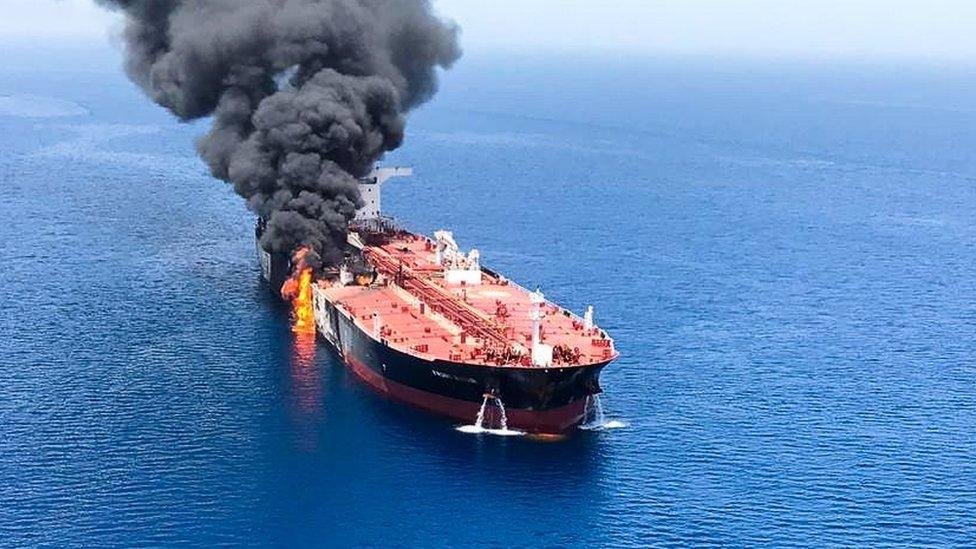
The escalating military confrontation between the United States and Iran is beginning to spill beyond the Middle East, with Egypt’s strategic Mediterranean LNG hub caught in the crossfire after a drone strike hit two ships at the Port of Damietta, including a U.S.-owned floating storage tanker.
- A drone strike hit two ships at Egypt’s Port of Damietta, including a U.S.-owned LNG tanker, amid rising U.S.-Iran tensions.
- The incident followed fresh U.S. strikes on Iran’s Revolutionary Guards in retaliation for an earlier Iranian missile attack.
- Egyptian authorities quickly contained the fires from the drone strike, and port operations resumed normally.
- The attack highlights the vulnerability of Egypt’s ports and the Suez Canal, a key global trade route, to regional conflict spillover.
The incident followed fresh overnight U.S. strikes on Iran’s Revolutionary Guards’ command centres and drone facilities after President Donald Trump vowed retaliation for Tehran’s ballistic missile attack on U.S. forces in Jordan.
Reuters reports that British maritime security firm Ambrey said the tanker was hit while docked in Egypt, marking one of the clearest signs yet that the conflict is reaching infrastructure linked to Africa’s trade network.
DON’T MISS THIS: US-Iran War: Africa’s mounting debt crisis deepens since pandemic – fuels fresh inflation risk
According to the BBC, the drone struck the U.S.-owned floating storage and regasification vessel Energos Winter, with the blaze spreading to the Greek-owned LNG tanker GasLog Salem. Egyptian authorities said the fires were extinguished without casualties and the port resumed normal operations.
President Donald Trump responded saying he had been briefed on the Damietta incident and suggested Iran or its proxies could be responsible, saying: “It’s a little more of the same. But it’s going to be straightening out.“
Although Egypt was not the target of the U.S. or Iranian military operations, the strike raises concerns about the vulnerability of one of Africa’s most important maritime gateways at a time when global shipping routes are already under pressure.
Why Africa should be concerned
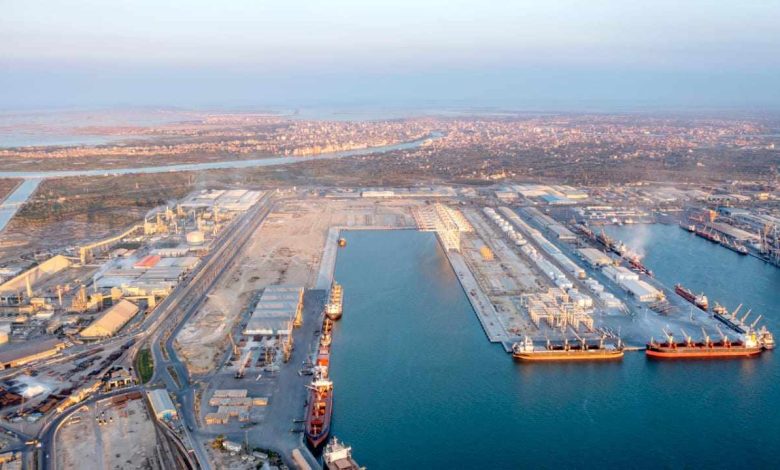
The significance of the incident lies in its location. Egypt is home to the Suez Canal, one of the world’s busiest shipping lanes, through which around 12% of global trade and a significant share of global oil and liquefied natural gas shipments pass every year.
The canal serves as a vital link connecting African, European and Asian markets.
A rise in security threats around Egyptian ports or the broader Mediterranean and Red Sea region could increase insurance costs for vessels, disrupt shipping schedules and push freight rates higher.
Similar disruptions in the Red Sea over the past two years have already forced many shipping companies to reroute vessels around South Africa’s Cape of Good Hope, adding weeks to journeys and driving up transportation costs.
DON’T MISS THIS: African finance chiefs race to secure financing as US–Iran war, aid cuts pressure growth
For Africa, the consequences extend well beyond maritime logistics. Many countries rely heavily on imported fuel, machinery, food and industrial inputs transported through the Suez route. Any prolonged disruption could fuel inflation, raise import costs and squeeze businesses already grappling with high operating expenses.
The conflict could also affect energy markets. Escalating tensions between Washington and Tehran have historically pushed oil prices higher, increasing fuel costs for African economies that remain dependent on imported refined petroleum products.
While African countries are not direct participants in the U.S.-Iran conflict, their strategic trade corridors are becoming increasingly exposed to its consequences.