





President Donald Trump recently finalized a series of major commercial and strategic investment agreements worth over $17 billion during his diplomatic visit to Southeast Asia for the ASEAN summit.
- President Trump finalized over $17 billion in commercial and strategic investment agreements during the ASEAN summit in Southeast Asia.
- A key agreement is a $12 billion deal for 20 Boeing 787 aircraft with Philippine Airlines, expected to support 47,000 U.S. jobs.
- Additional deals include U.S.-Philippines military financing, major technology contracts in Brunei and Malaysia, and trade agreements with Japan and Thailand.
- Boeing projects robust aviation growth in Africa, forecasting a need for 1,165 new airplanes and 75,000 aviation professionals by 2045.
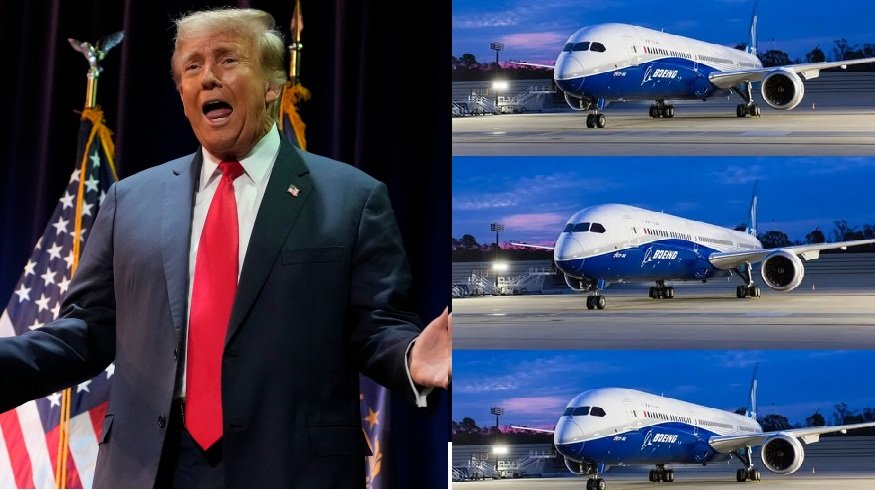
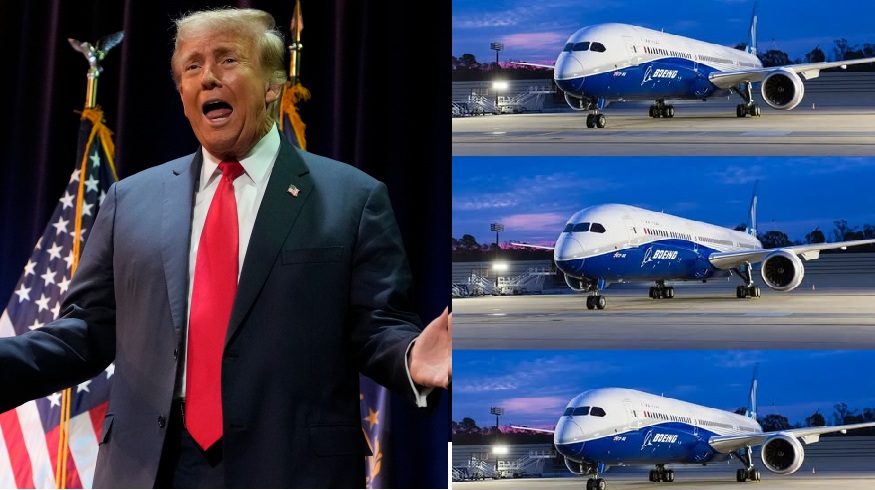
At the center of these agreements is a massive $12 billion deal between Boeing, GE Aerospace, and Philippine Airlines for up to 20 Boeing 787 aircraft.
Meanwhile, Boeing’s long-term commercial market forecast reveals a surging appetite for aviation in developing regions, highlighted by a projected demand for nearly 1,200 new aircraft across Africa over the next two decades.
President Trump secures $17 billion in trade deals across the Philippines, Thailand, Brunei, Malaysia, and Japan
During President Trump’s visit to the Philippines, the U.S. government announced broad commercial transactions spanning aviation, defense, energy, and advanced technology aimed at supporting tens of thousands of American jobs.
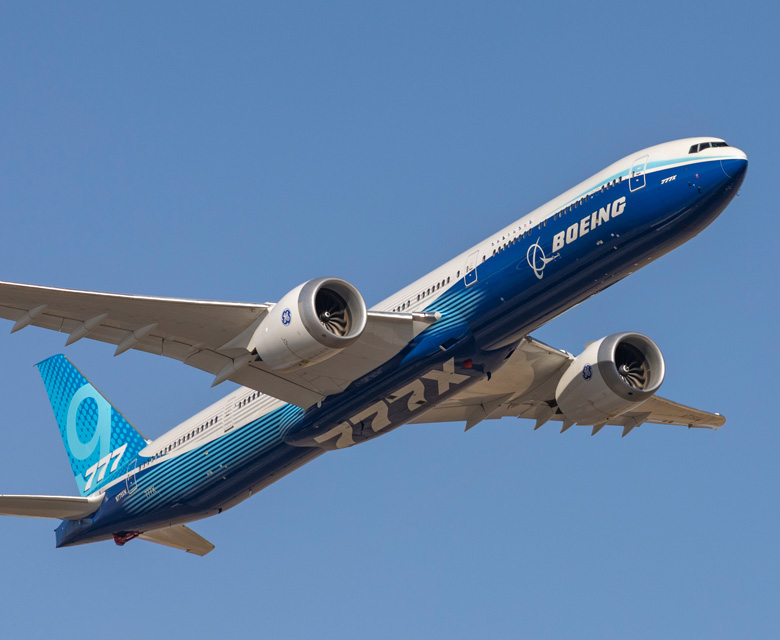
The primary driver of this commercial package was finalized with Philippine Airlines, which agreed to purchase 20 Boeing 787 aircrafts equipped with GE Aerospace engines in a deal valued at $12 billion that is expected to support 47,000 jobs in the United States.
Beyond commercial aircraft, the U.S. and the Philippines agreed to pursue a military financing loan package exceeding $2 billion for American defense equipment, alongside $400 million in direct military funding for long-range defense capabilities and a $63 million defense cloud initiative.
Other Asian nations also established major technology and trade agreements with the United States.
Panasonic, headquartered in Japan, signed a multiyear agreement worth up to $1 billion to purchase advanced silicon-carbon anode materials from U.S.-based manufacturer Sila.
In Brunei, Unified National Networks announced plans to award Vertiv a data center contract valued at nearly $1 billion using American vendors.
Additionally, Trump and Malaysian Prime Minister Anwar Ibrahim revealed that a U.S. corporate consortium will construct a sovereign cloud infrastructure for Malaysia’s government.
Wrapping up the regional agreements, the U.S. and Thailand substantially concluded trade negotiations aimed at eliminating tariffs on 99% of goods, while Thailand committed to spending up to $123 million on U.S. HIMARS rocket systems.
As noted by Trading View News, the agreements reflect an official effort to “expand U.S. trade and investment ties across Southeast Asia, strengthening defense cooperation and securing new opportunities for American companies”.
Boeing projects rapid fleet expansion across African nations as air travel surges through 2045
While Boeing expands its current deliveries in Asia, the aerospace manufacturer’s 2026 Commercial Market Outlook emphasizes a dramatic rise in commercial aviation demand across African nations over the coming 20 years.
Driven by a young, urbanizing population and an expanding middle class, passenger traffic in Africa is projected to grow by nearly 6% annually through 2045.
To support this rapid growth, African airlines will need to acquire 1,165 new airplanes, effectively doubling the continent’s active commercial fleet from 755 to 1,625 jets.
The vast majority of these deliveries approximately 870 aircraft will be single-aisle models designed to strengthen domestic and regional route networks.
This regional aviation boom will also require a massive expansion in technical infrastructure, maintenance services, and skilled labor.
Boeing estimates that African carriers will generate a $140 billion market for commercial maintenance and repairs, while creating a need for 75,000 new aviation professionals, including 22,000 pilots, 25,000 technicians, and 28,000 cabin crew members.
Shahab Matin, Boeing managing director of Commercial Marketing, commented on this long-term forecast in Boeing’s official announcement: “Africa’s aviation market is entering a period of sustained growth driven by improving connectivity, expanding intraregional travel and deeper economic ties across the continent and with key global markets.
He added that “Meeting this demand will require a broader commitment to fleet modernization, expanded capacity, digital solutions and workforce development”.