






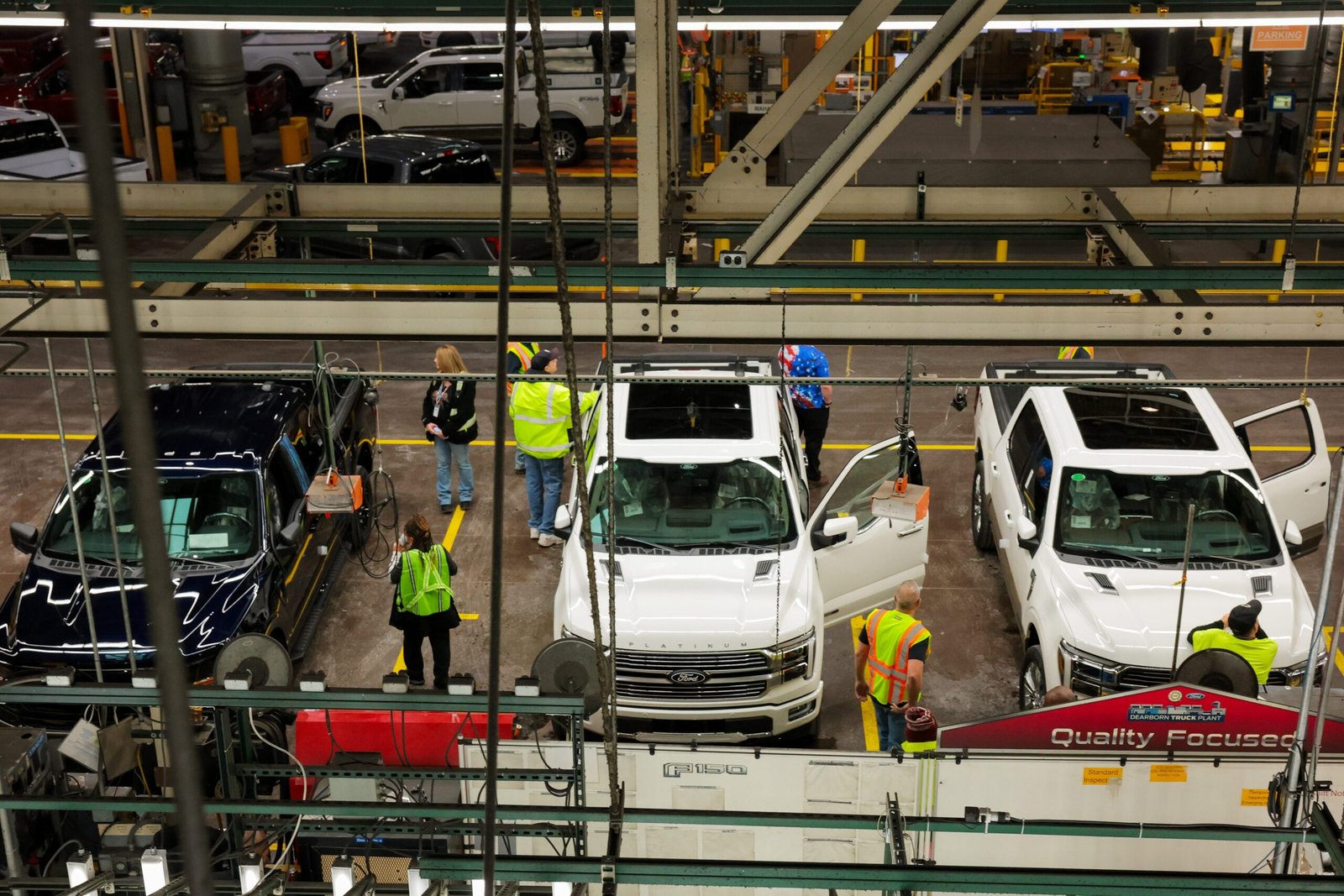
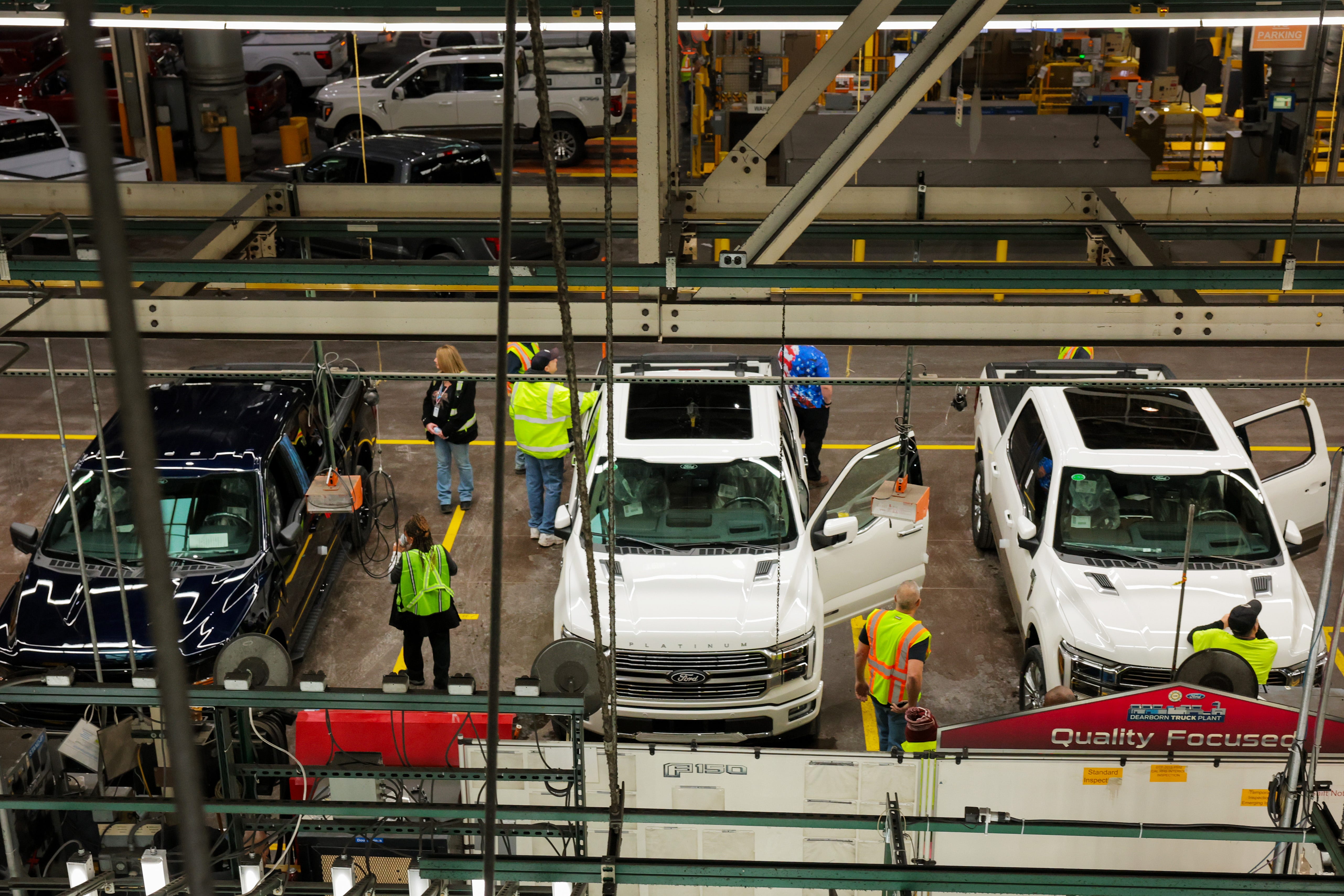
The US motor company, Ford, headquartered in Dearborn, Michigan, has warned that the European Union will shoot itself in the leg if it excludes Morocco, Africa’s top manufacturing country, from its ‘made in Europe’ tag.
- Ford warned that excluding Morocco, Turkiye, and Britain from the EU’s ‘Made in Europe’ tag could harm the bloc’s automotive industry by weakening its supply chain.
- The EU’s plan aims to encourage carmakers to manufacture within Europe and source more parts locally to qualify for subsidies and government contracts.
- While Britain may still be included if it meets certain conditions, Morocco and Turkiye are set to remain outside the arrangement.
- Morocco’s automobile industry, the country’s largest export sector, is rapidly growing with major facilities from Renault and Stellantis, and significant exports to Europe.
Ford Europe President Jim Baumbick issued the warning, noting that Turkiye, Morocco and Britain cannot be excluded from the “Made in Europe” manufacturing model without repercussions.
His assessment was made public in an exclusive with Reuters, following Ford Europe’s plan to delist these three countries from the EU’s planned “Made in Europe” manufacturing model.
The top executive claimed that the move will only weaken the bloc’s automotive industry against powerhouses like China, given that the three countries are woven into Europe’s automotive supply chain.
DON’T MISS THIS: France’s largest carmaker sees record sales in Africa’s top car manufacturing country
EU’s ‘Made in Europe’ plan
The proposal is part of the European Union’s planned Industrial Accelerator Act, introduced by the European Commission on March 4.
The plan is designed to encourage foreign carmakers, particularly Chinese companies, to manufacture vehicles within Europe and source more parts from local suppliers.
This would allow them to qualify for certain subsidies and compete for government contracts.
The EU also wants to increase manufacturing’s contribution to its economy from 14.3% of GDP in 2024 to 20% by 2035.
Ford’s Transit van offers an example of how European supply chains work.
The vehicle, Europe’s best-selling one-ton van, was developed by teams in Britain and Germany.
More than half of its parts come from European suppliers, while over 30% are sourced from Britain and Turkiye.
The meaning of “Made in Europe” is expected to feature at an EU-UK summit on Friday.
Germany and France reached an agreement last month to include Britain in the arrangement, but the proposal still needs approval from other EU member states.
Under the October 15-16 agreement, the rules would cover certain countries with close ties to the EU’s internal market as of January 1, 2020.
Britain could qualify if it meets certain conditions, while Morocco and Turkiye would remain outside the arrangement.
For Morocco, the issue is not whether it can continue selling cars in Europe.
Rather, it is whether vehicles and parts made in the country will count as European products when companies apply for certain subsidies and government contracts.
This is a significant concern given that cars are Morocco’s biggest export sector, as seen in MoroccoWorldNews.
The automobile industry in the country generated MAD 159.2 billion (15.92billion)in2025andMAD132.11billion(13.21 billion) in the first nine months of 2026, representing a 14.3% increase from the same period a year earlier.
Morocco is also home to Renault factories in Tangier and Casablanca, as well as Stellantis’ plant in Kenitra, which is expected to expand its electric vehicle operations.
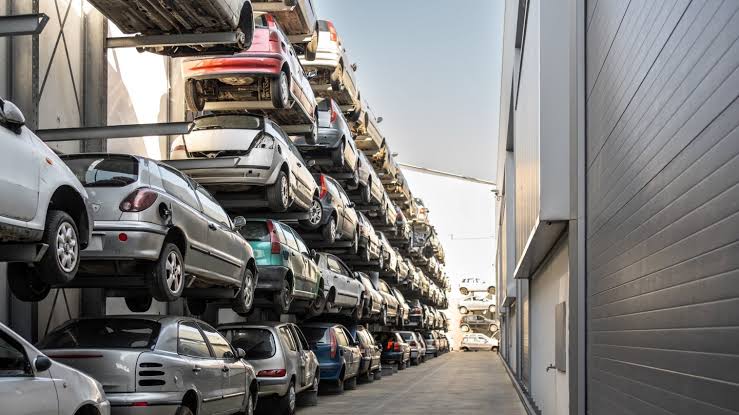
Stellantis, the owner of Peugeot, Jeep and Fiat, in May, opened its first vehicle dismantling centre in the Middle East and Africa region.
The facility, located in Casablanca, is designed to dismantle up to 10,000 end-of-life vehicles annually and recover reusable parts for resale across Morocco and West Africa.
Stellantis said it invested €1.6 million ($1.8 million) in the project, which is expected to create around 150 direct and indirect jobs at full capacity.
Additionally, the North African country, this year, overtook South Africa as the continent’s top manufacturing nation.
Morocco ousts South Africa as top manufacturer
In May, it was reported that Morocco overtook South Africa as Africa’s leading industrial economy.

The shift was detailed in a new report by the African Development Bank, marking a major shift in the continent’s economic landscape.
The bank unveiled its 2025 Africa Industrialisation Index during its Annual Meetings in Brazzaville, where it said Morocco climbed to the top through aggressive industrial upgrading, export diversification and long-term industrial policies.
While South Africa remains one of the continent’s biggest industrial powers, the report noted that the country has struggled with declining competitiveness in recent years.