







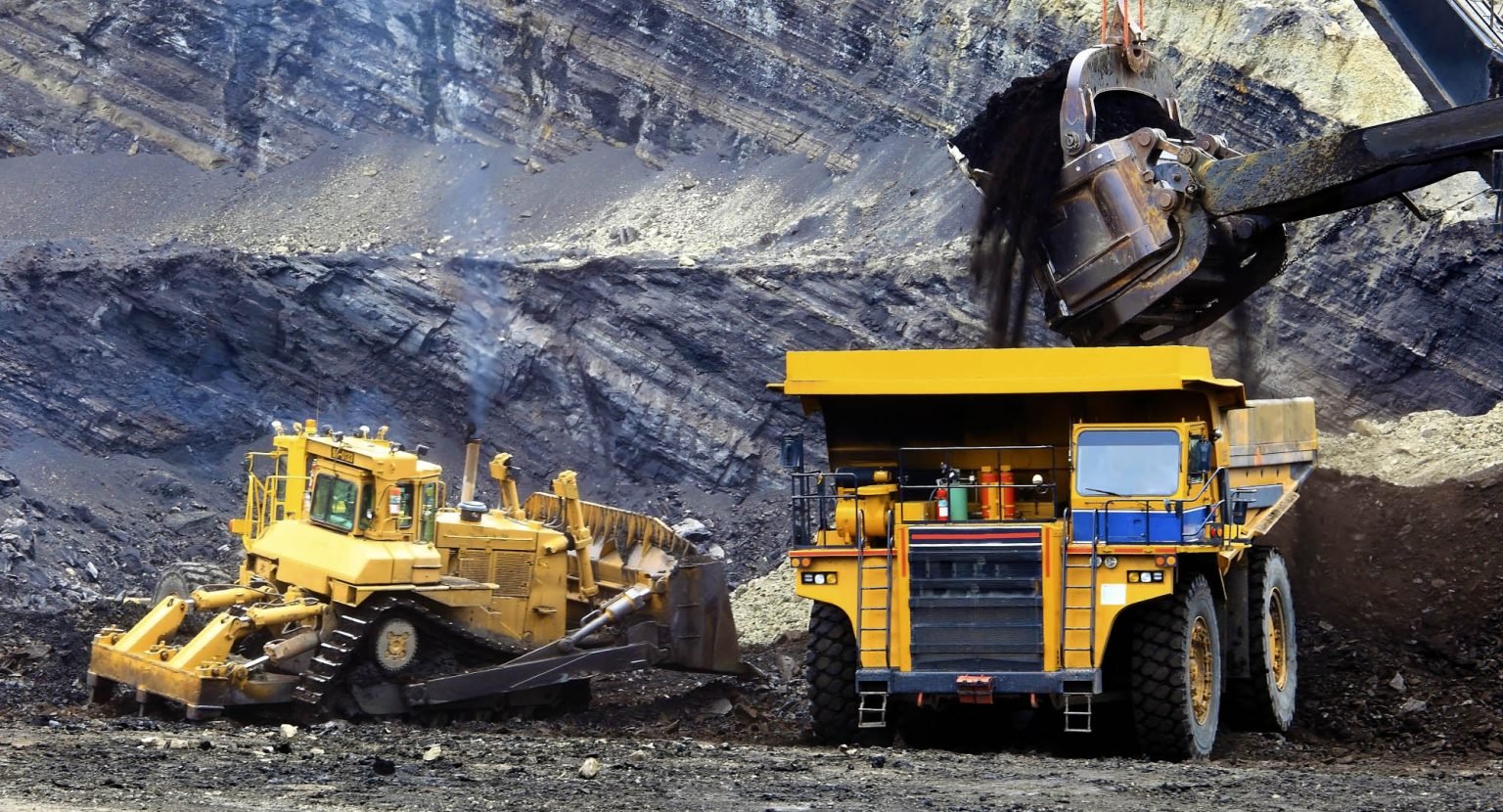
Even as Washington works to ease tensions between Congo and Rwanda and stabilise the region for investment, Africa’s largest cobalt producer has signed a fresh mining cooperation deal with China, reinforcing Beijing’s stronghold in the country’s critical minerals sector.
- The Democratic Republic of Congo has signed a new mining cooperation deal with China, reinforcing its strategic economic ties with Beijing despite U.S. diplomatic and investment efforts.
- The agreement includes provisions for geological data sharing, local investment protection, promoting local processing, and a compliance monitoring mechanism.
- The U.S. recently formed a strategic mineral partnership with Congo to boost American investment and access to critical resources, but faces competition from established Chinese influence.
- Congo continues to balance ties with both powers, leveraging its vast mineral reserves while expressing caution over U.S. policy consistency and seeking to maximize economic benefit from both sides.
Congo, the world’s top producer of cobalt and a major supplier of copper, lithium and coltan, has signed a fresh mining cooperation deal with China, reinforcing its central role in the global energy transition.
According to Reuters, the agreement focuses on cooperation in geological data sharing, investment protection and the promotion of local processing of raw materials within Congo.
It also establishes a monitoring framework to ensure compliance with local laws and improve transparency.
As part of the deal, priority will be given to key projects such as the MIFOR iron ore development in northeastern Congo, signalling continued Chinese backing for large-scale resource extraction and infrastructure.
China’s presence in Congo’s mining sector remains deeply entrenched, with companies such as CMOC Group, Zijin Mining and Huayou Cobalt controlling major assets including the Tenke Fungurume mine, the Kisanfu project and stakes in Kolwezi copper-cobalt operations.
Beijing also stands as the country’s largest bilateral creditor.
At the same time, Congo is set to benefit from duty-free access to the Chinese market from May 1 under a broader initiative covering several African countries.
U.S. pushes back with strategic mineral deals
The development follows a strategic minerals partnership signed between Washington and Kinshasa in December 2025, aimed at redirecting supply chains and reducing reliance on China.
Earlier this year, Business Insider Africa reported that Congo plans to present the United States with a catalogue of priority mining projects for potential investment by American companies, weeks after the agreement was finalised.
The partnership grants U.S. firms preferential access to reserves of copper, cobalt, lithium and tantalum, although specific projects have not been disclosed.
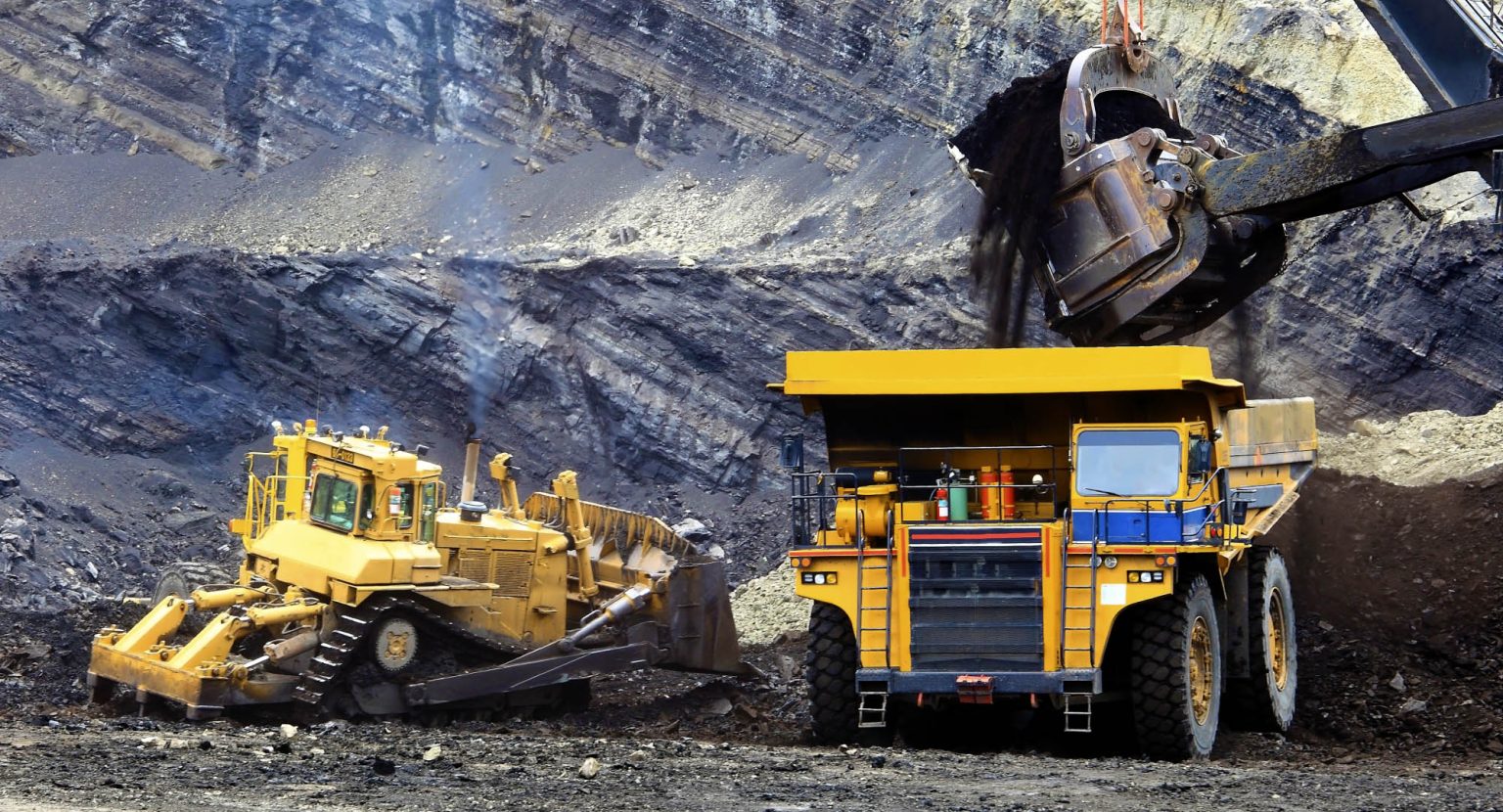
![The DRC bets big on copper to boost global influence with a landmark mining deal [Source:kamotocoppercompany]](https://ocdn.eu/pulscms/MDA_/893ec2294b03e11794477eca964cc937.jpg)
Congo holds the balance
Nonetheless, China retains the upper hand in Congo’s mining sector, outpacing the United States as competition intensifies over critical minerals essential for electric vehicles, batteries and clean energy technologies.
Despite increased U.S. engagement, Kinshasa continues to maintain strong economic ties with Beijing, highlighting its strategic leverage and independent positioning.
Washington has been expanding its footprint through companies such as Freeport-McMoRan and KoBold Metals, targeting investments in Congo and neighbouring Zambia as part of efforts to diversify global supply chains.
It has also backed major infrastructure projects, including the Lobito Corridor, linking Congo and Zambia to Angola’s Atlantic coast to improve access to Western markets.
Alongside economic efforts, U.S. diplomatic engagement has focused on stabilising eastern Congo through a ceasefire process involving Rwanda and armed groups such as the M23, helping to improve the country’s investment climate.
However, these moves have not altered Congo’s broader alignment. While China continues to dominate mineral processing, the United States is working to establish alternative supply routes.
Congo, for its part, remains cautious, with concerns over the consistency of U.S. policy and the reliability of long-term commitments.
“The U.S. will certainly take notice,” Joshua Walker of NYU’s Congo Research Group said of the new agreement. “It is clearly a riposte to Washington.”
“The DRC is clearly attempting to hedge its bets,” Walker added.