







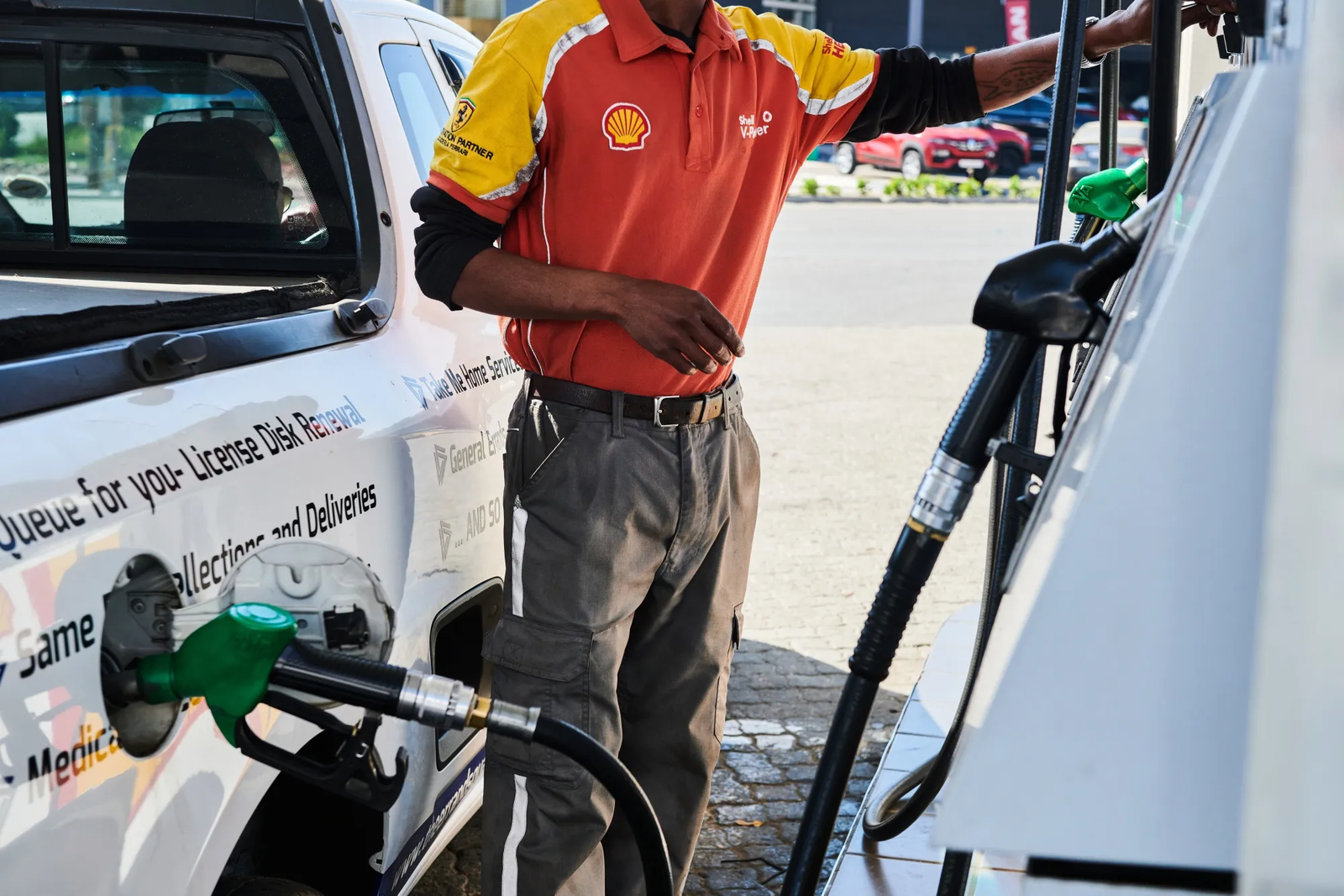
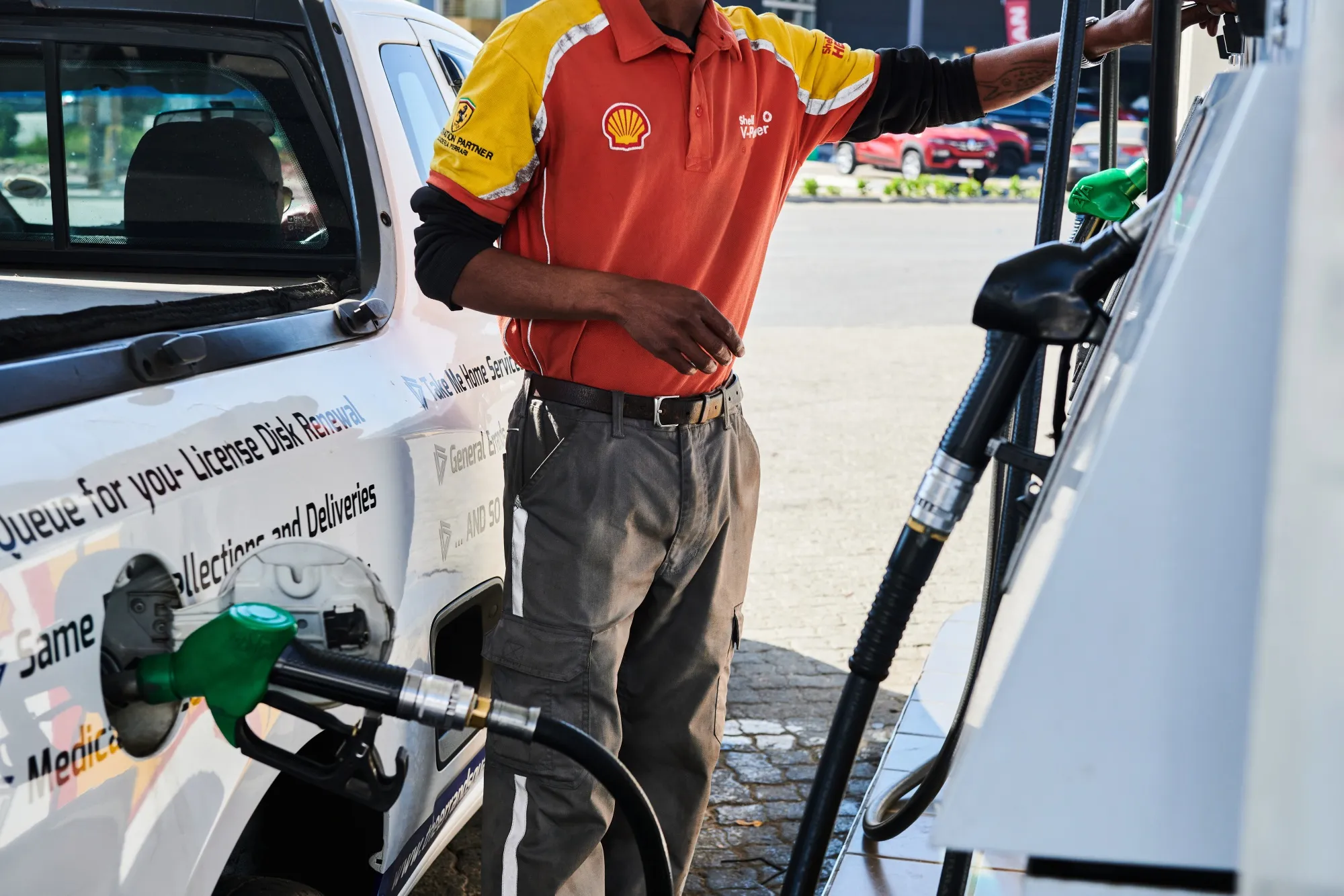
South African gasoline prices are set to rise by the largest margin in nearly two decades as oil prices surge and the rand weakens amid the war in Iran.
- South African gasoline prices will rise by the largest margin in nearly 20 years due to surging oil prices and a weaker rand linked to the war in Iran.
- The price of Brent crude oil jumped from $69.08 to $93.67, and the rand depreciated from 16.00 to 16.64 per US dollar.
- As a result, gasoline in Gauteng will increase by 3.06 rand per litre and diesel by up to 7.51 rand per litre starting April 1.
- The government reduced fuel levies to limit the increase, but higher fuel prices are expected to intensify inflation and impact agriculture.
The government said the adjustments were mainly driven by a surge in international crude oil prices and a weaker rand against the U.S. dollar during the review period.
“The average Brent crude oil price increased from 69.08 dollars to 93.67 dollars during the period under review. This is due to the continued tension between the United States and Iran, which has affected crude oil supply, especially through the Strait of Hormuz,” said the department.
At the same time, the rand depreciated from about 16.00 rand to 16.64 rand against the U.S. dollar, adding further pressure to domestic fuel prices, Bloomberg reported.
The Department of Mineral Resources and Energy said the retail price of 95-octane gasoline in Gauteng, the country’s economic hub, will increase by 3.06 rand ($0.18) per litre. In comparison, the wholesale cost of diesel is expected to climb by as much as 7.51 rand per litre. The price adjustments will take effect on April 1.
To help offset the impact of surging global oil prices on domestic fuel, Finance Minister Enoch Godongwana earlier confirmed that the government will reduce the tax levied on gasoline.
Middle East Tensions Lift Oil Prices
Globally, countries are raising fuel prices or cutting subsidies as the US-Israel conflict with Iran pushes crude prices higher. In South Africa, the increase would have been even steeper if the government had not reduced fuel levies. The country imports all its oil, which has surged more than 40% since the war began on February 28.
The higher fuel costs are expected to intensify consumer-price pressures, with fuel accounting for nearly 4% of South Africa’s inflation basket. The National Treasury earlier warned it has limited capacity to shield consumers from rising prices, as crude oil costs have surged.
Rising diesel prices could also affect agriculture, threatening wheat planting and the upcoming summer harvest.
The South African Reserve Bank has kept interest rates steady but warned that further tightening may be needed if the conflict in Iran persists.
Disruptions in shipping and production are also being felt across the continent. In response, Ethiopia has urged citizens to curb fuel consumption amid tightening supply.