






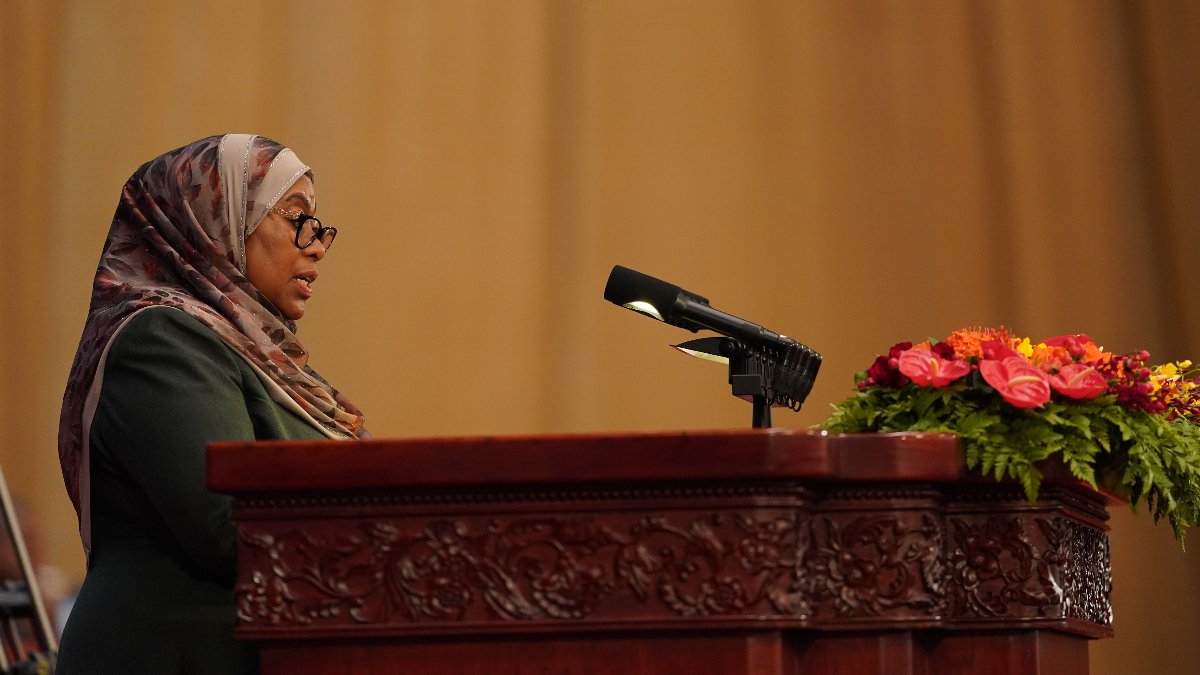
![Tanzanian President Samia Suluhu Hassan - the shutdown highlights Africa’s growing economic vulnerability to digital restrictions. [Photo by VCG/VCG via Getty Images]](https://ocdn.eu/pulscms/MDA_/4ac091bb0b5fc5c19c56207973d37fe9.jpg)
As the conflict in the Middle East precipitates a global energy crisis, several countries have implemented fuel-conservation strategies. Notably, President Samia Suluhu Hassan of Tanzania has introduced commute restrictions for government officials to mitigate energy consumption.
- Tanzanian President Samia Suluhu Hassan ordered government officials to commute together by bus to conserve fuel amid the global energy crisis.
- The measure was announced at an official ceremony and aims to reinforce discipline in public resource usage and ease the state’s financial burden.
- Rising global fuel prices, due to the Middle East conflict, have severely impacted Tanzania, with petrol, diesel, and kerosene prices up significantly.
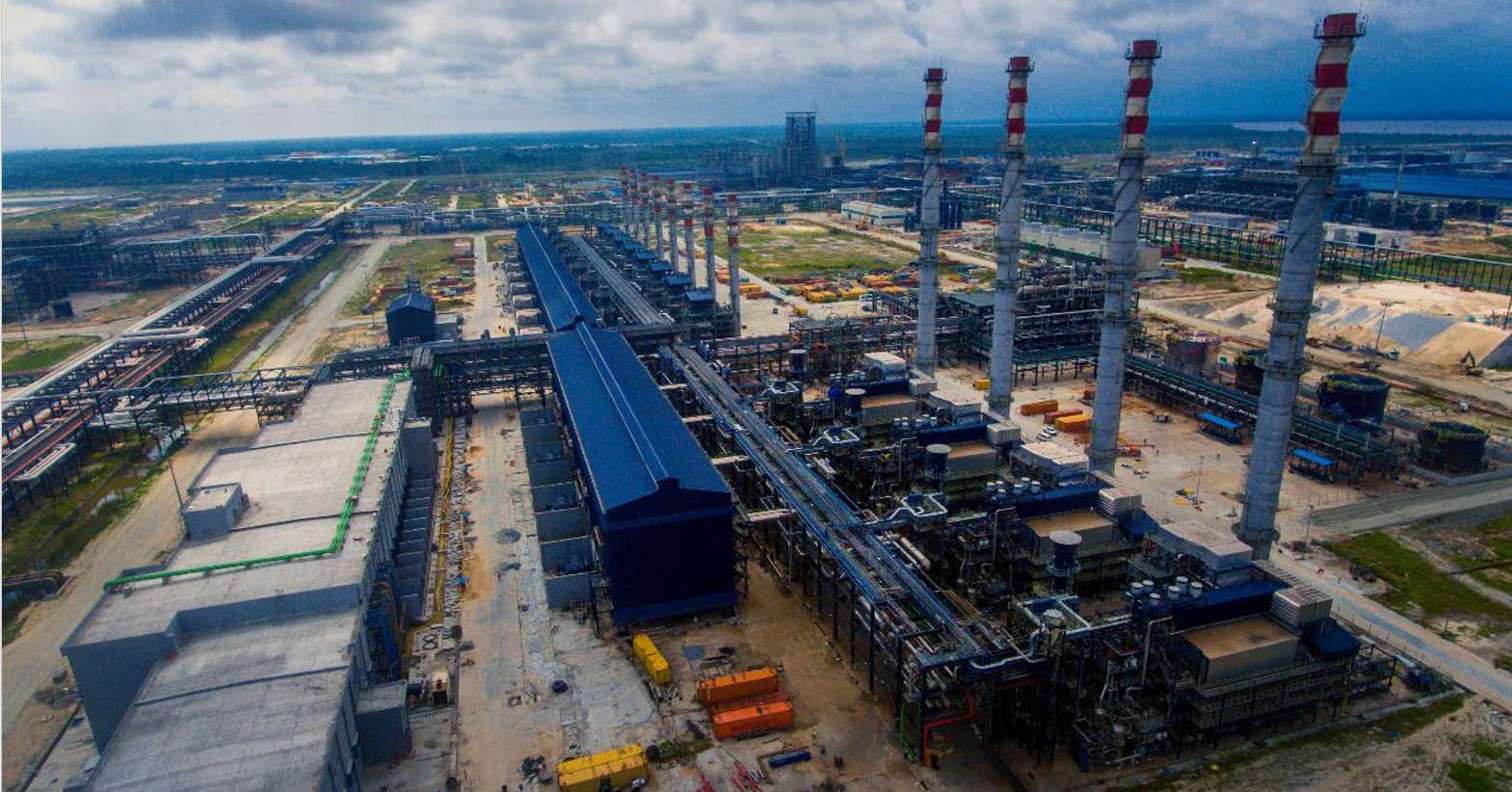
- Despite Nigeria’s major refinery, most African nations remain vulnerable to external fuel market shocks and continue to experience sharp price hikes.
On Wednesday, the President of Tanzania issued a directive requiring government officials to travel collectively in a single bus during official engagements to optimize fuel efficiency.
The Tanzanian president gave the directive at an official swearing-in ceremony on Wednesday.
“This is a worldwide challenge affecting many countries, not just Tanzania,” the President stated.
DON’T MISS THIS: Tanzanian billionaire Rostam Azizi takes control of East Africa’s biggest media group as Aga Khan exits after 66 years
Concerning her commute, she stated that only her core convoy, which consists of her escort, police, and a backup car, would stay in the official motorcade.
“From now on, wherever I go, all officials will travel together in one bus… to cut fuel consumption,” Hassan said.
“The goal is to reinforce discipline in the use of public resources and reduce the financial burden on the government,” the Tanzanian president added.
Typically, her presidential entourage consists of about thirty cars, including police outriders and high-end SUVs, which frequently cause traffic to stop.
This directive was implemented amidst escalating pressure on the Tanzanian economy resulting from rising global petroleum prices, which have adversely affected the general populace and strained fiscal reserves.
As seen on The Chanzo, petrol price in the country’s capital rose to Sh3,820 per litre ($1.47), up from Sh2,864 ($1.10) in March.
Furthermore, diesel, a critical fuel source for the nation’s infrastructure, experienced a price increase to Sh3,806 per litre ($1.46).
Kerosene, which remains a vital resource for domestic lighting and cooking in numerous households, is currently priced at Sh3,684 per litre ($1.41).
As a developing nation heavily dependent on imported fuel for industrial operations, transport, and power generation, Tanzania remains highly susceptible to international oil market volatility.
In March, Tanzania was among the 5 African countries in which Dangote Refinery sold 12 cargoes of refined petroleum products, which totaled 456,000 tonnes.
Other countries included Côte d’Ivoire, Cameroon, Ghana, and Togo.
Why the Iran war is triggering fuel shortages in Africa
The escalating crisis in the Middle East is sending shockwaves in global energy markets, with Africa emerging as one of the hardest hit due to its reliance on imported fuels.
At the core of the problem is the disruption of shipments via the Strait of Hormuz, a tiny waterway under the control of Iran, which transports a large portion of the world’s oil and gas supplies.
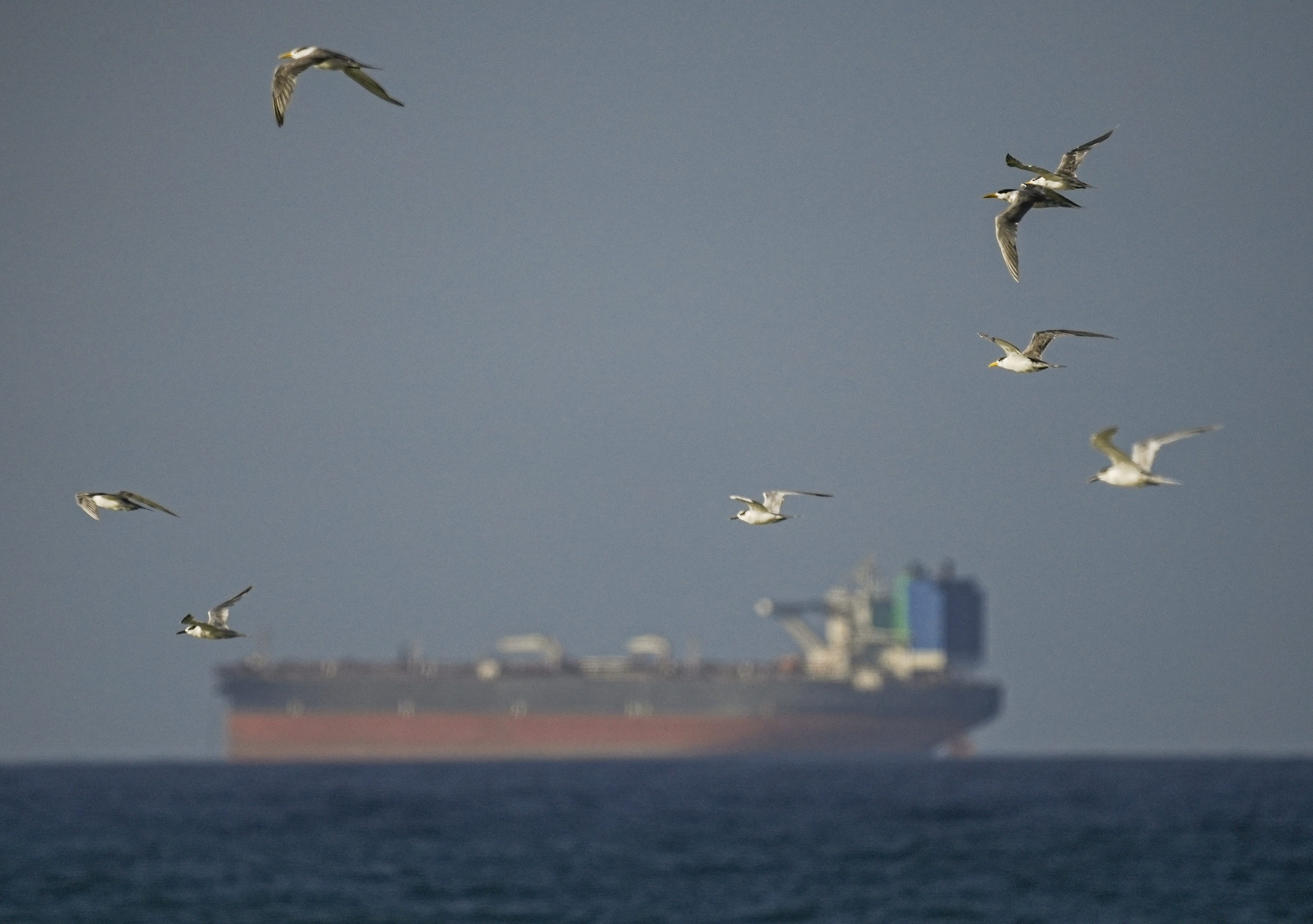
According to industry estimates, this route carries around 20% of global energy flows; thus, any disruption would be felt globally.
Africa’s vulnerability originates from its historical reliance on imported refined fuel.
Many countries export crude oil but lack refining capability, necessitating the purchase of finished products from global markets, particularly the Middle East.
While the 650,000-barrel-per-day refinery in Nigeria has established a regional energy supply chain, its impact on mitigating price volatility remains limited.
This is particularly evident in Nigeria, which continues to record among the most significant fuel price increases on the continent.