







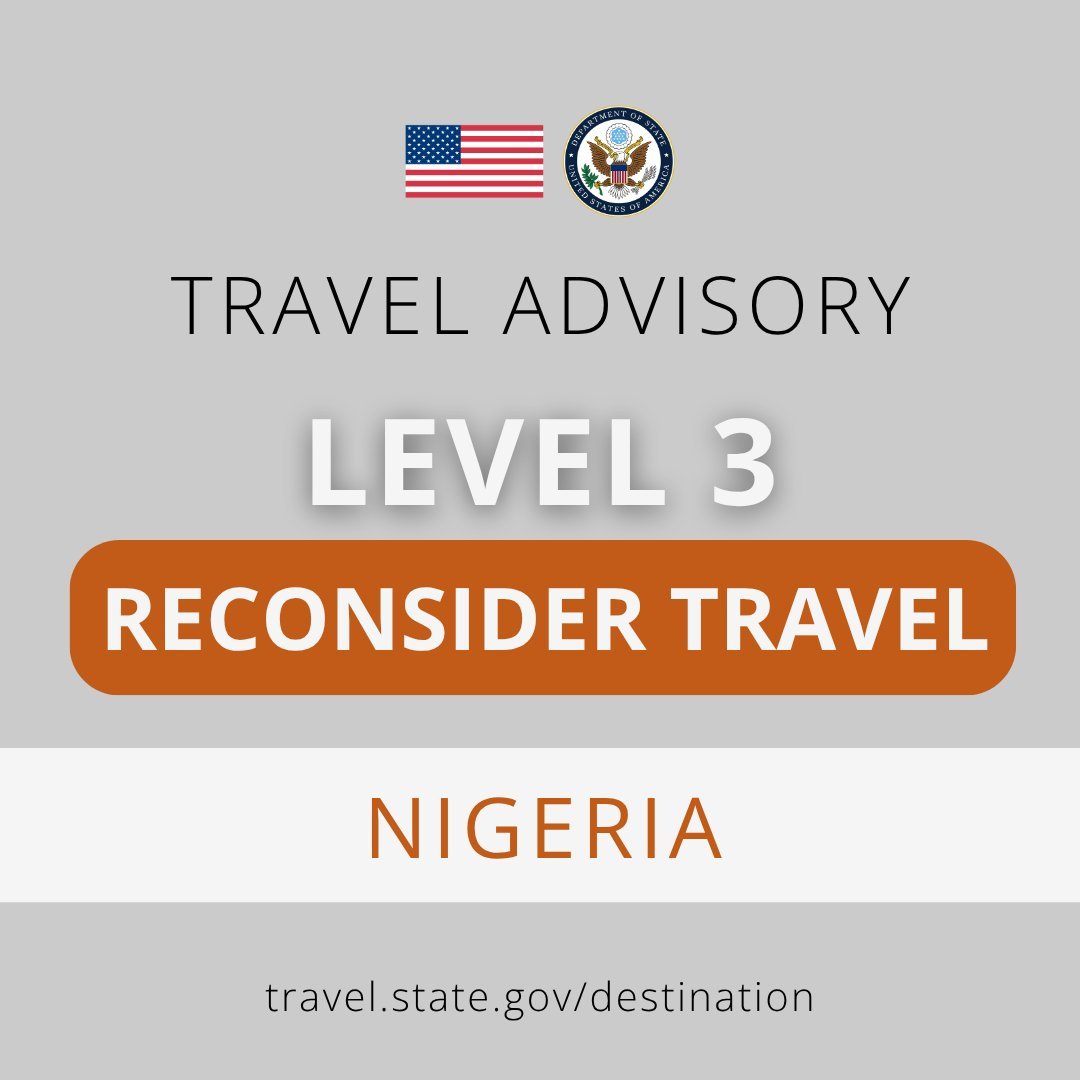
The U.S. Department of State has updated its travel advisory for Nigeria to reflect changes in embassy operations, as it begins evacuating non-essential staff from its mission in Abuja amid heightened security concerns.
- The U.S. Department of State has updated its travel advisory for Nigeria and is evacuating non-essential staff from the embassy in Abuja
- Widespread violent crime—including terrorism, kidnapping, and banditry—now puts foreigners, especially Americans, at heightened risk of abduction.
- Large regions in both northern and southern Nigeria are under Level 4 “Do Not Travel” status
- The U.S. has increased direct involvement in Nigeria’s counterterrorism efforts, including recent airstrikes.
The decision, announced on April 8 by the U.S. Department of State, reflects mounting concern over widespread insecurity across Africa’s most populous nation.
Violent crime including terrorism, kidnapping, and banditry, has become increasingly common, with foreign nationals, particularly Americans, viewed as high-value targets for ransom operations.
The advisory also highlights the persistent threat of terrorism, with armed groups continuing to stage attacks on public spaces such as markets, transport hubs, and places of worship.
In parts of the northeast, insurgent activity has displaced millions, while southern regions grapple with armed gangs, oil-linked militancy, and separatist tensions.
A country under strain as insecurity spreads
The U.S. warning places large swathes of Nigeria under Level 4 “Do Not Travel” status, covering both northern and southern regions grappling with escalating insecurity.
In the north, states including Borno, Jigawa, Kogi, Kwara, Niger, Plateau, Taraba, Yobe, and northern Adamawa are flagged due to terrorism, widespread banditry, and kidnapping.
A second cluster which includes Bauchi, Gombe, Kaduna, Kano, Katsina, Sokoto, and Zamfara, is designated high-risk over persistent unrest, violent crime, and abductions.
In the south, Abia, Anambra, Bayelsa, Delta, Enugu, Imo, and Rivers states with the exception of Port Harcourt are also listed under the highest advisory level, driven by rising incidents of kidnapping, armed gangs, and civil unrest.
The convergence of terrorism, communal clashes, and organized crime has stretched Nigeria’s security architecture, raising questions about the federal government’s capacity to restore order.
US’ Involvement in Nigeria’s terrorism challenge
Washington’s posture also signals broader geopolitical stakes. The United States has long supported Nigeria through security cooperation, intelligence sharing, and counterterrorism assistance.
However, the latest move suggests growing frustration with limited progress despite years of engagement.
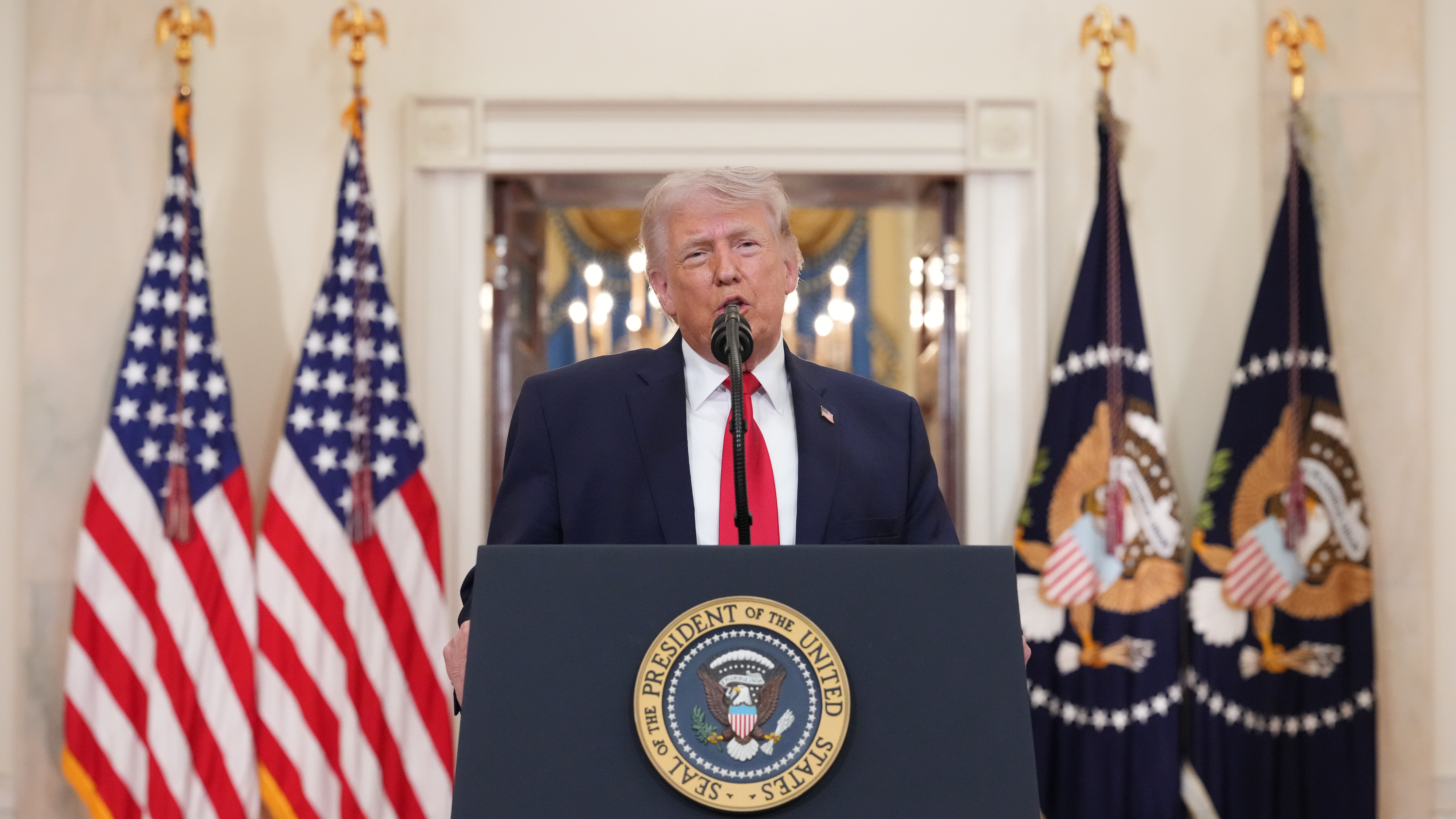
Under President Donald Trump, Nigeria has become a country of particular concern in Washington’s Africa security strategy, driven by the persistent threat posed by jihadist groups such as Boko Haram and Islamic State-linked factions operating across the country’s northern corridors.
U.S. intelligence assessments have consistently warned that these groups retain the capability to stage high-impact attacks on civilian and symbolic targets, including churches, markets, and transport hubs — often with little warning.
More recently, the Trump administration signaled a harder line by backing direct kinetic action. Around the Christmas period, U.S. forces carried out airstrikes in Nigeria’s northwest, targeting Islamic State-linked militants believed to be establishing operational bases and facilitating cross-border movements from the Sahel.
The strikes — conducted in coordination with Nigerian authorities — marked a rare escalation from traditional U.S. support roles into active military engagement on Nigerian soil.
Yet analysts note that external backing alone cannot resolve Nigeria’s complex security challenges, which are rooted in governance gaps, economic inequality, and regional fragmentation.
As violence spreads and confidence in state protection erodes, the U.S. evacuation decision serves as a stark signal: Nigeria’s security crisis is no longer just a domestic concern, but an international one with far-reaching implications.