







Africa’s solar demand is rising as countries look for cheaper and more reliable power. The next contest is whether the continent remains a buyer of Chinese equipment or builds factories that can create jobs and retain more value locally.
- Nigeria, South Africa, Morocco and Ethiopia are expanding solar manufacturing plans as power demand rises.
- Chinese renewable-energy investment and construction projects in Africa reached $66 billion between 2010 and 2024, according to ODI Global.
- The consequence is whether Africa’s solar boom creates skilled manufacturing jobs and lower-cost power, or leaves countries dependent on imported equipment.
African countries are moving beyond buying solar panels from China and are beginning to build more of the equipment at home.
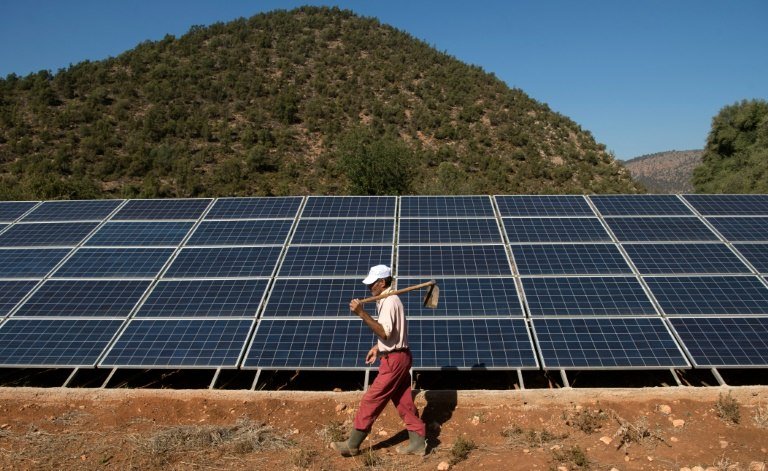
Nigeria, South Africa, Morocco and Ethiopia are among the countries expanding plans for local solar manufacturing as demand grows for more reliable electricity.
China will remain central to that push. It dominates the production of solar cells and other components, while African manufacturers still rely heavily on Chinese imports for the parts that carry the highest value.
That dependence has grown with Africa’s solar market. China’s solar exports to the continent have risen as businesses and households look for alternatives to unreliable grids and expensive diesel generation.
Why assembly is not enough
The next stage is harder than assembling imported panels. Building a deeper manufacturing base requires solar cells, technical skills, finance, reliable electricity and buyers large enough to support local factories.
South Africa is planning a one-gigawatt solar manufacturing plant, while Nigeria and Morocco are expanding panel assembly. Ethiopia has also become a focus of global solar manufacturing because Chinese companies are using the country as a production base.
China still controls the supply chain
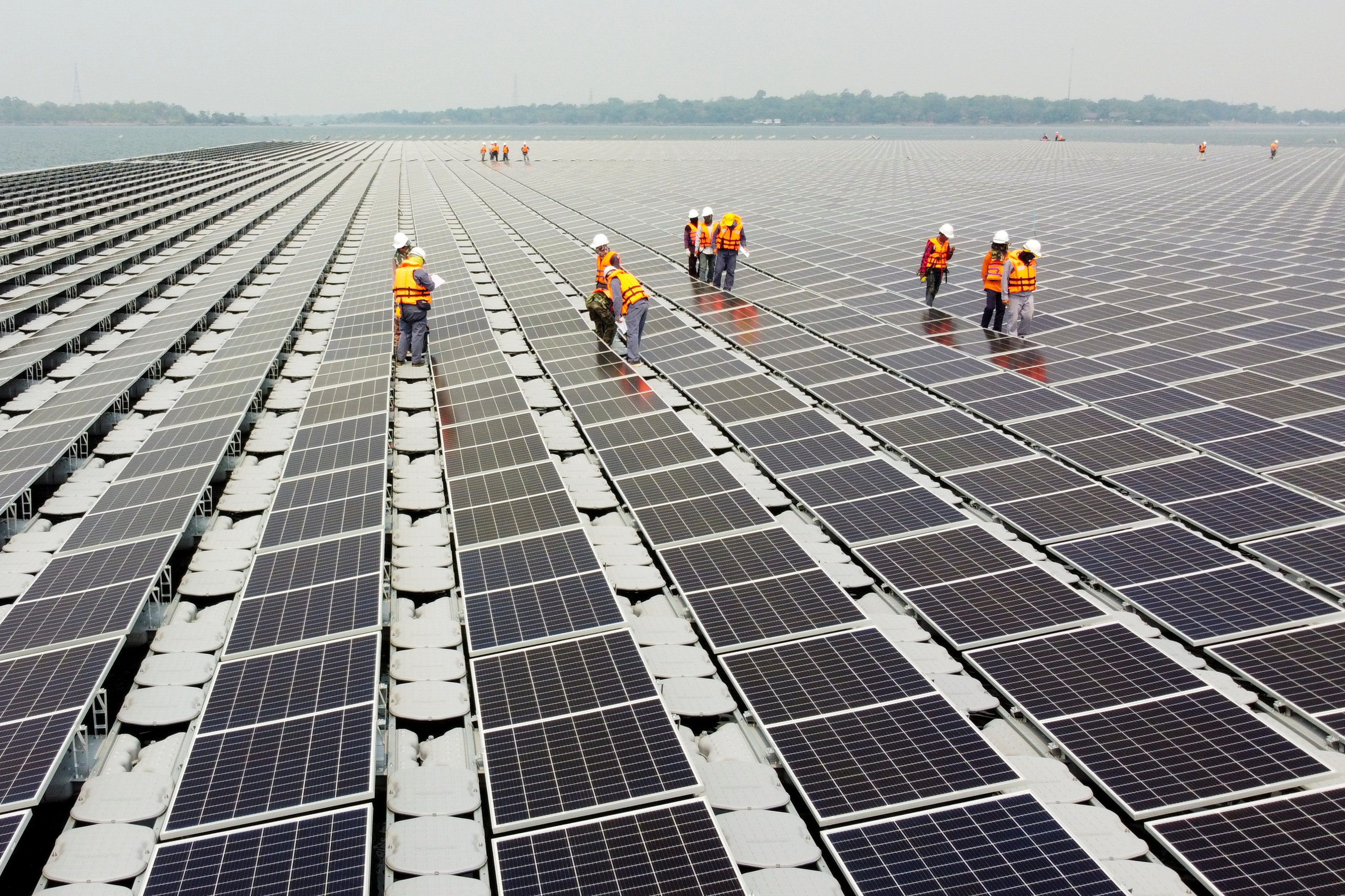
African countries have already seen how China’s export policy can affect the cost of solar equipment. A change in incentives or prices in China can quickly reach developers, businesses and households that depend on imported panels.
The question now is whether governments can use their growing demand to negotiate for more local production. The same debate is playing out in the race for Namibia’s minerals, where foreign investment has raised questions about who retains the higher-value stages of the supply chain.
What Africa needs to capture the value
A weak outcome would leave African countries importing panels, cells and batteries while only carrying out the final assembly. That can still provide cheaper power, but the more valuable technology, supplier relationships and industrial jobs would remain elsewhere.
A stronger outcome would link market access and investment incentives to local factories, workforce training and power infrastructure that can serve industries beyond individual projects. That would make solar part of a wider manufacturing strategy rather than only an energy solution.
The opportunity is large because solar is becoming essential to Africa’s energy needs. But local manufacturing will depend on whether governments can turn demand for Chinese equipment into long-term industrial capacity.