





The UAE has built one of the continent’s largest investment pipelines across ports, mines, farms and renewable energy. The next stage is whether those projects leave African countries with infrastructure, processing capacity and local businesses that can outlast the deal.
- The Financial Times reported that UAE entities have announced more than $168 billion in African projects since 2017, across mining, ports, agriculture and green energy.
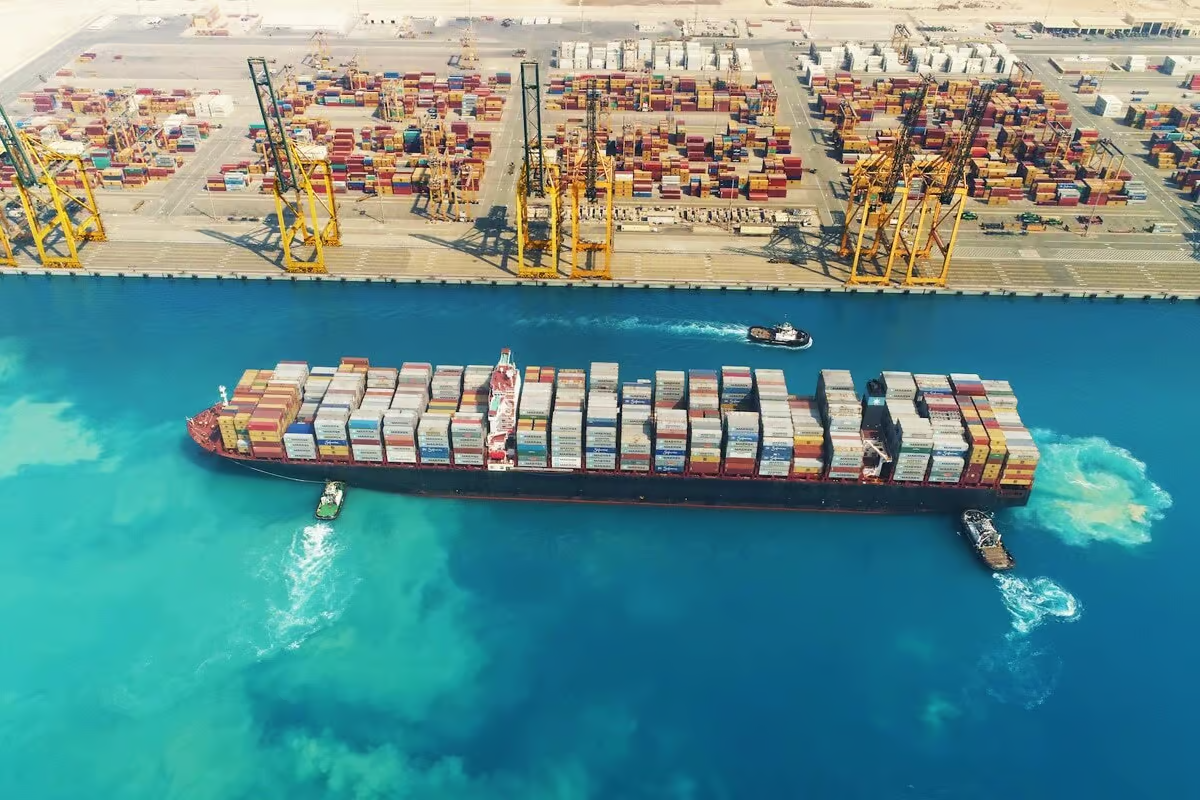
- DP World and Abu Dhabi Ports are expanding their footprint across African trade routes, linking ports, inland terminals and logistics networks.
- The consequence is whether African countries turn foreign capital into shared infrastructure, industrial capacity and local suppliers, or simply speed up exports of raw materials and goods.
The United Arab Emirates has become one of the most important foreign investors in African ports, mines, agriculture and green energy.
Its companies are moving beyond individual projects into the infrastructure that connects mines, factories and farms to international markets. DP World is expanding Mozambique’s Maputo port and developing the Democratic Republic of Congo’s first deep-water port, while other Emirati groups are pursuing energy and mining opportunities across the continent.
The attraction for African governments is clear. New ports, roads, power projects and logistics networks can reduce trade costs and help countries move more goods.
The record of Gulf investment across the continent has also made the UAE a serious rival to China, Europe and the United States for strategic assets.
A recent Financial Times analysis found that UAE entities have announced more than $168 billion in projects in Africa since 2017. The projects span mining, ports, agriculture and green energy.
The figure is an announced pipeline, not a measure of money that has already entered African economies, and some projects have faced delays or not progressed.
Ports are becoming the centre of the contest
The biggest consequence of the UAE’s expansion is control over the routes through which African commodities and imports move. DP World operates or is developing ports, inland terminals and free zones in 13 African countries, according to the Financial Times.
That makes logistics more than a transport story. A port concession can lower shipping delays and improve access to global markets.
It can also give a foreign operator a central position in trade corridors that link exporters, manufacturers and consumers.
African countries are already weighing competing Gulf bids for strategic port assets. Saudi Arabia’s interest in a Cape Town terminal shows how Gulf capital is now competing for the infrastructure that shapes regional trade.
The value is not only at the port
The same question applies to the UAE’s interest in minerals and energy. Countries with critical minerals are trying to avoid an old pattern in which raw material leaves the country while refining, manufacturing and the higher-value customer relationships sit elsewhere.
Namibia’s contest between China and the European Union for uranium, lithium and rare earths has shown why the terms of investment matter as much as the size of the announcement.
Governments can negotiate for local processing, training, reliable power and procurement from domestic companies alongside royalties and export earnings.
Ports can help make those commitments real if they serve local producers as well as mines and export projects. A new terminal linked only to a foreign-owned mine can make raw-material exports faster.
A terminal connected to industrial zones, rail networks and local suppliers can lower costs for manufacturers, farmers and smaller exporters.
The UAE’s investment push gives African governments another source of capital at a time when infrastructure financing remains difficult.
It also gives them more leverage. Competition between Gulf investors, China, Europe and the United States gives governments room to compare offers on ownership, employment, local content and access to shared infrastructure.
The outcome will be decided project by project. Announced investment can create jobs and trade capacity, but it does not automatically create domestic industry.
The countries that retain more value will be those that secure clear terms before port concessions, mining rights and long-term supply contracts are signed.