







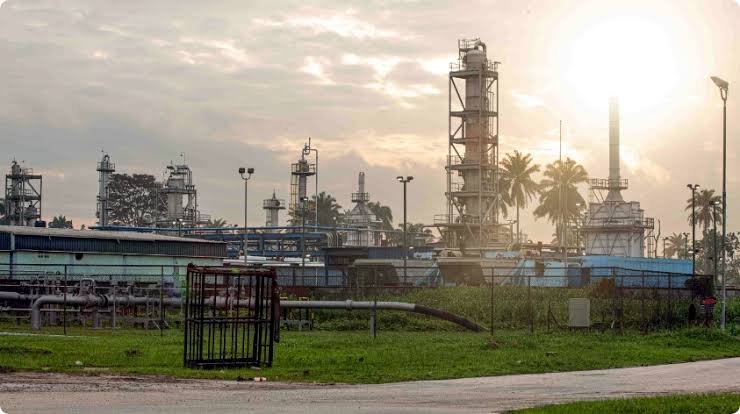
Nigeria’s Aradel Holdings Plc plans to begin producing gasoline at its modular refinery in 2027, as the removal of fuel subsidies improves the economics of domestic petrol production.
- Aradel Holdings Plc aims to start gasoline production at its modular refinery in 2027 after Nigeria removed fuel subsidies and improved market conditions.
- Currently, the plant produces kerosene, diesel, gas oil, and naphtha, and the company is considering expanding capacity and enhancing export logistics.
- The end of Nigeria’s petrol subsidy in 2023 made domestic gasoline refining more economically viable for companies like Aradel.
- Aradel’s upstream oil and gas output surged in the first half of 2026, with crude and gas production rising by 258% and 1,121% respectively year-on-year.
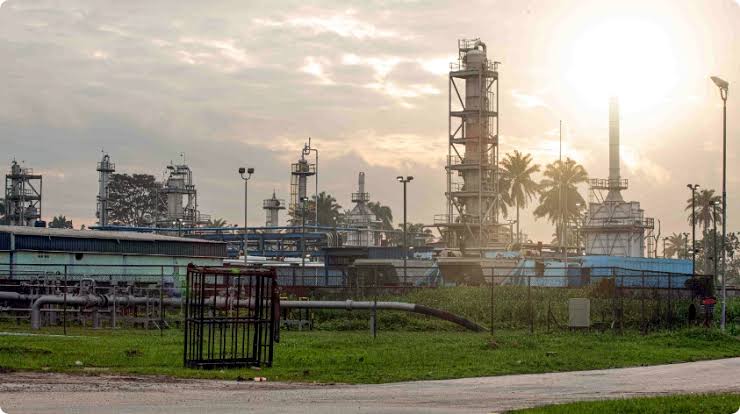
Nigeria’s Aradel Holdings Plc plans to begin producing gasoline at its modular refinery in 2027, as the removal of fuel subsidies improves the economics of domestic petrol production.
Temitayo Ogunbanjo, who manages Aradel’s refining business, said the deregulation of Nigeria’s fuel market has created a clearer path for the company to manufacture gasoline at its 11,000-barrel-per-day refinery.
The plant currently produces kerosene, diesel, gas oil and naphtha. Aradel is also evaluating an expansion of the refinery, including options for securing additional crude supplies and improving export logistics, according to Bloomberg.
DON’T MISS THIS: AFC invests in Dangote refinery’s $2.5 billion share placement after recovering $300 million loan
Subsidy removal changes refinery economics
Nigeria removed its petrol subsidy in 2023, ending government controls that had kept pump prices below market levels but also distorted incentives for domestic refining.
According to Ogunbanjo, the deregulated market has made gasoline production more commercially viable for Aradel.
The company is also considering investments in aviation fuel, which has emerged as an important export product to European markets.
DON’T MISS THIS:Dangote refinery secures $4 billion refinancing deal, Afreximbank contributes $1.35 billion
Oil and gas output surges
Aradel’s broader upstream operations have also recorded significant growth. The company reported average daily crude production of 55,600 barrels in the first half of 2026, up 258% from 15,500 barrels per day in the same period of 2025.
Gas production increased even more sharply, rising 1,121% to 503.2 million standard cubic feet per day, compared with 41.2 million cubic feet per day a year earlier. The increase was driven by improved pipeline availability and sustained customer demand.
Refinery output rebounds in second quarter
Aradel produced 126.2 million litres of refined products in the first half of 2026, down 22% from 161.4 million litres a year earlier, largely because of constrained crude supply and unplanned downtime in the first quarter.
Production recovered in the second quarter, reaching 67.5 million litres, 15% higher than the first quarter’s 58.7 million litres.
The company reported first-half revenue of ₦2.49 trillion reflecting stronger oil and gas production and improved refinery performance.