





India’s Jindal Power has signed an eight-year loan agreement worth about $500 million to finance a thermal power project in Botswana, leaving another $500 million to raise towards a stated $1 billion funding plan.
- Jindal has signed an eight-year loan of about $500 million.
- Another $500 million is expected to be raised.
- The project is intended to supply Botswana Power Corporation.
- Public disclosures give different figures for the project’s capacity and financing.
The loan is from Axis Bank, ICICI Bank and the Export-Import Bank of India. The power plant is being developed by Jindal Energy (Botswana), a subsidiary of Jindal Power, and its electricity is proposed for sale to Botswana Power Corporation (BPC).
The remaining $500 million is expected to be raised in the coming months, according to a November 17 announcement by JSA Advocates & Solicitors, which advised the project company.
The announcement describes financing for two phases of the project, but does not explain how the latest loan relates to earlier financing disclosures.
A March 3 announcement by lender-side law firm Shardul Amarchand Mangaldas said financing of up to $1 billion had been arranged, with documents for a $507.5 million first phase executed by a seven-bank consortium. That release named Axis Bank, ICICI Bank and Exim Bank, alongside four other Indian lenders.
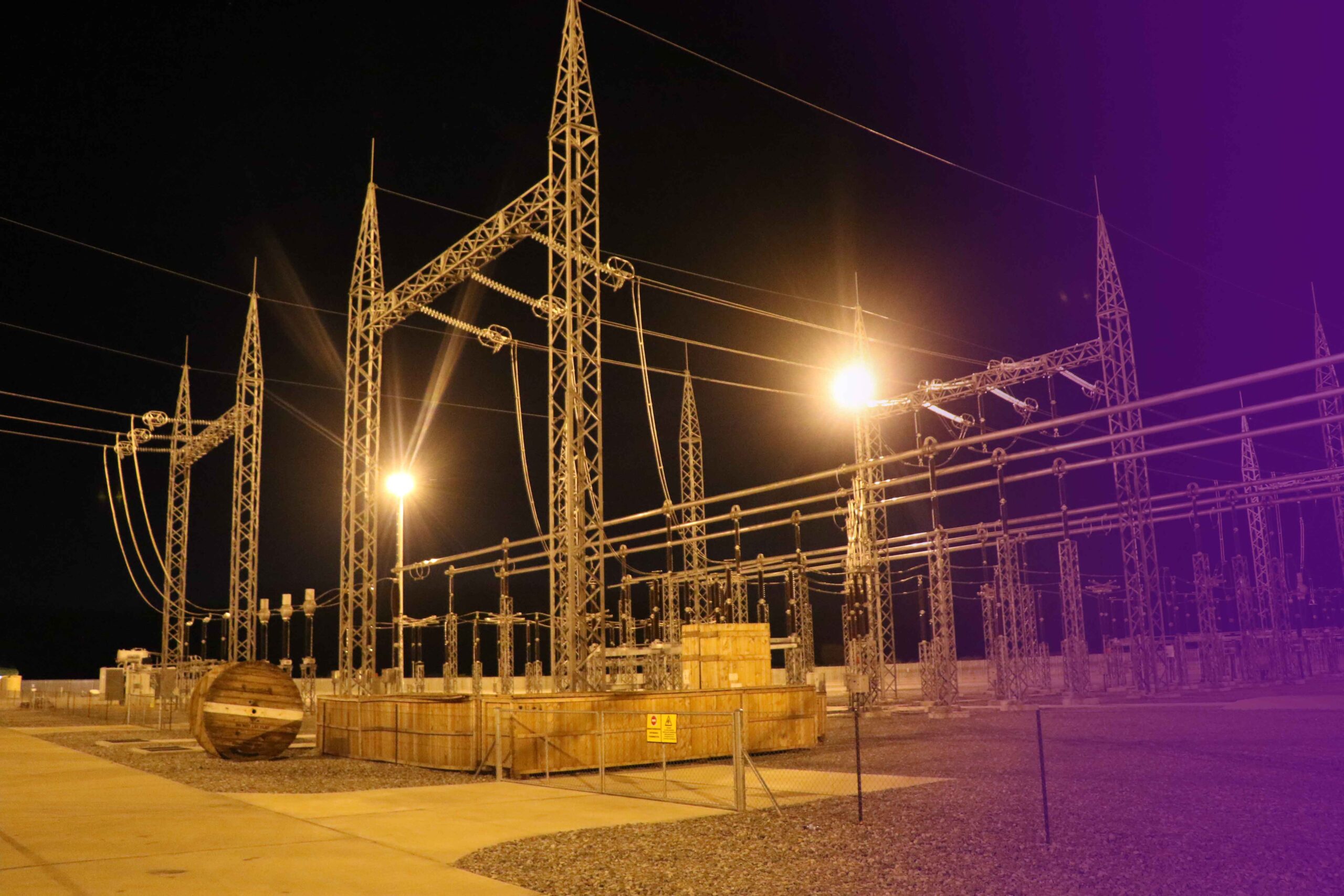
Bloomberg put a separate loan at about $470 million and described it as a nine-year facility, citing people familiar with the matter. The November 17 legal announcement gives an approximate $500 million amount and an eight-year term.
The public disclosures do not clarify whether these descriptions refer to the same facility or different stages of the financing.
Botswana wants more power at home
The project is part of Botswana’s effort to increase domestic electricity supply and reduce reliance on imports.
In March, the country’s minerals and energy minister told Parliament that electricity demand was growing by about 5% a year and that imports and rotational load-shedding would continue when needed until new generation projects came online.
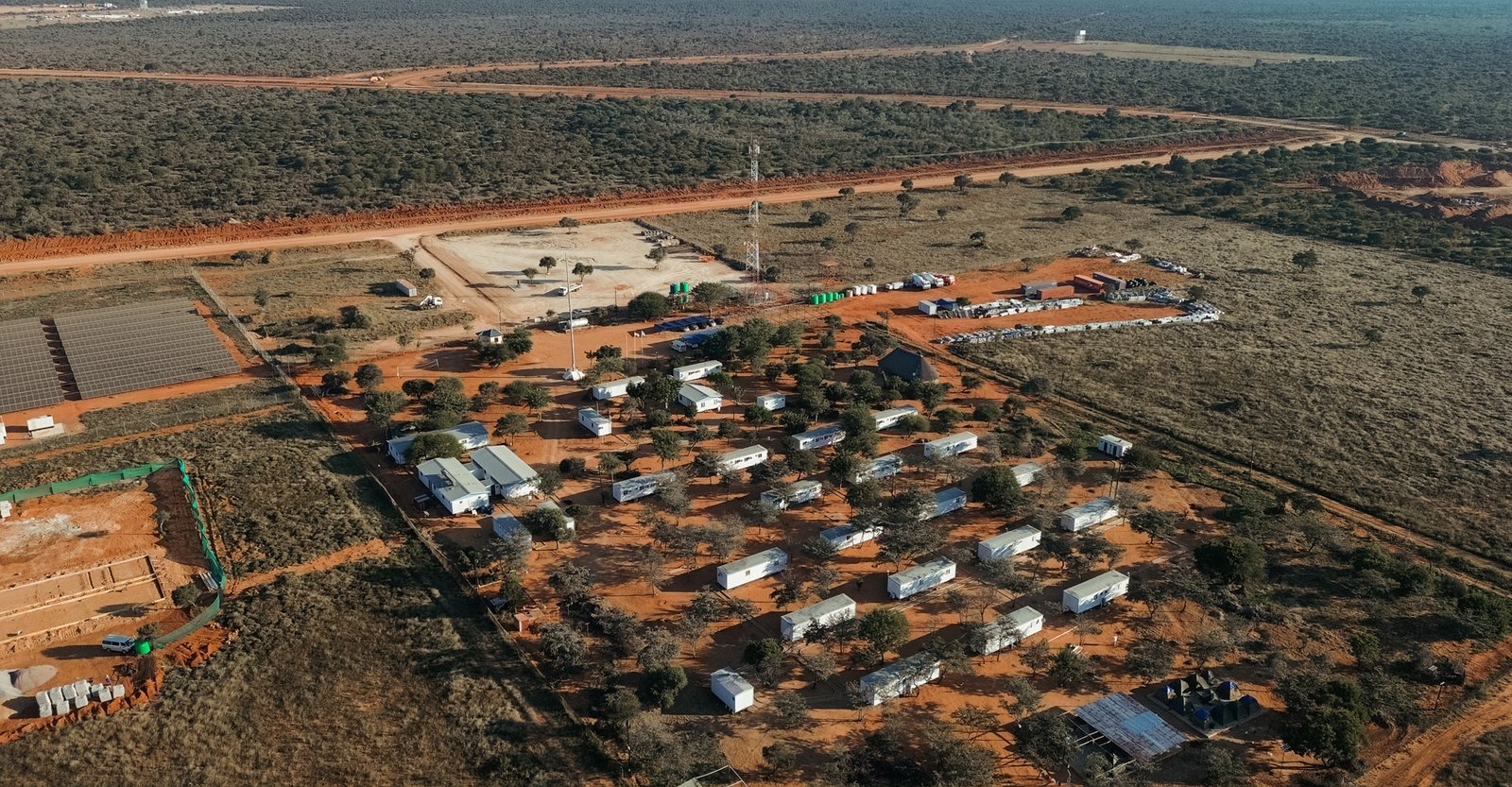
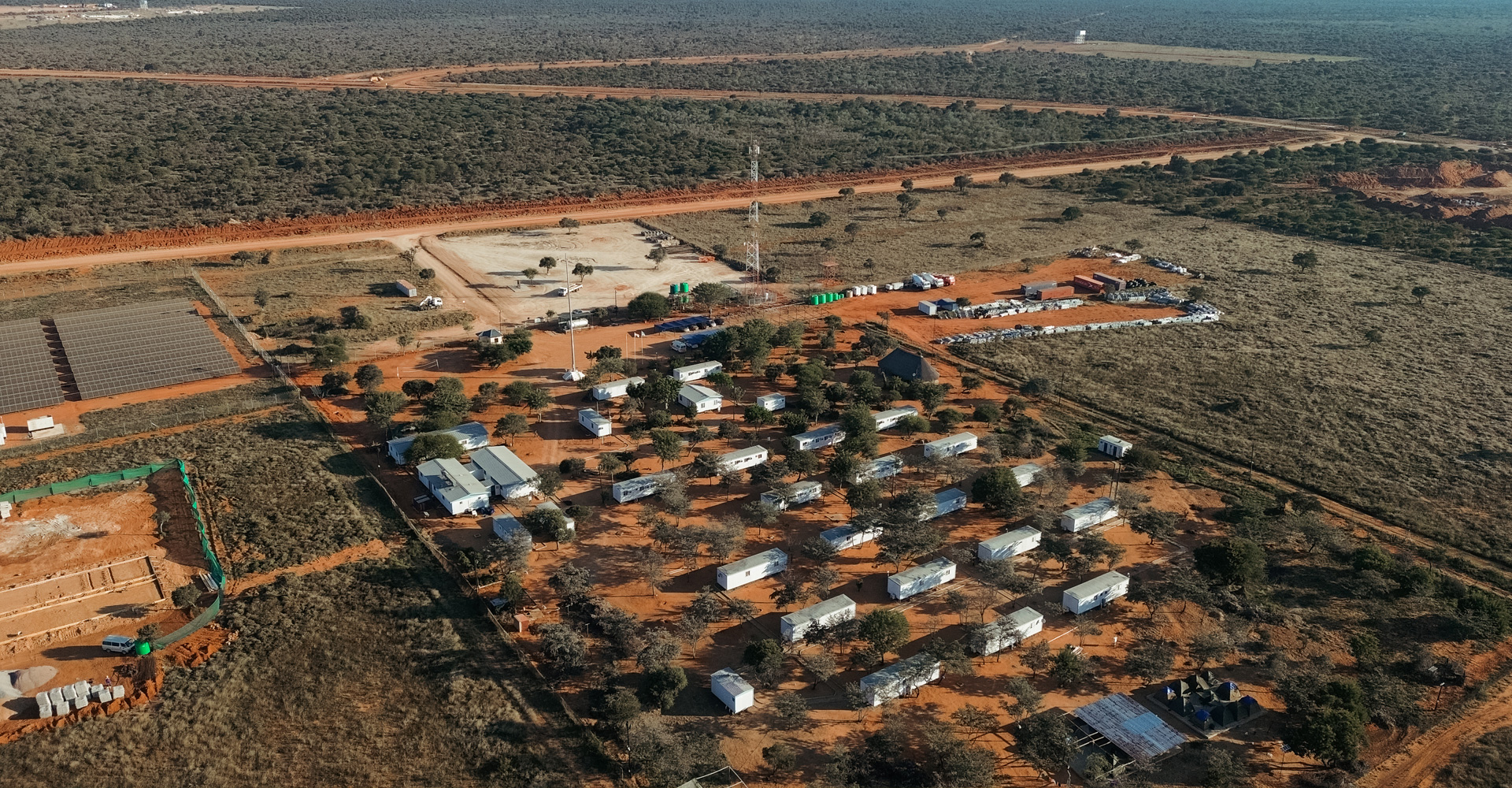
BPC lists Jindal’s commitment as two 300-megawatt coal-fired power plants under power-purchase agreements. Jindal’s project website, however, describes the planned plant as 700 megawatts net and gives a December 2026 commissioning target.
Botswana’s 2026 budget refers to a 600-megawatt Mmamabula plant, with the first 150 megawatts expected by December 2026 and the full capacity by June 2029. The public figures and timelines differ, and the available disclosures do not reconcile them.
Botswana is also pursuing a broader expansion of electricity generation: its budget sets out plans to add 1.5 gigawatts of renewable energy by the first quarter of 2027. The Jindal project is one part of that mix, with BPC as its proposed buyer.