






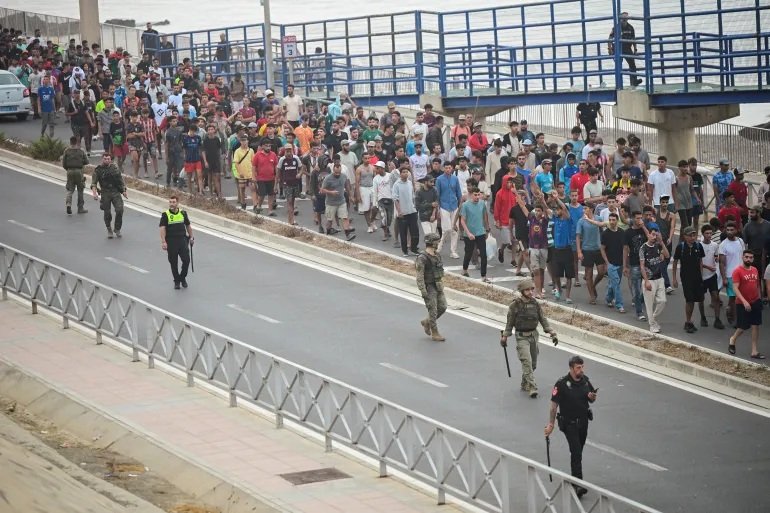
Between 7,000 and 9,000 migrants are believed to remain in Ceuta, nearly two weeks after about 72,000 people crossed from Morocco into the Spanish enclave in one of Europe’s largest recent border surges.
- Spain estimates that 7,000 to 9,000 migrants remain in Ceuta after about 72,000 crossed from Morocco.
- About 1,898 minors have been formally identified, although NGOs believe the real number is higher.
- Madrid has allocated €25 million, approximately $29 million, to support migrant children in the enclave.
- The crisis has renewed tensions between Spain and Morocco over migration and Ceuta’s sovereignty.
Spanish Interior Minister Fernando Grande-Marlaska said authorities had identified 1,898 minors among those remaining in the territory, although aid organisations believe thousands of children may still be unregistered.
The updated figures underline the scale of the humanitarian and administrative challenge facing Ceuta, a Spanish territory of about 84,000 people located on Africa’s northern coast.
Most of those who crossed during the late-July surge subsequently returned or were sent back to Morocco. However, the number still in Ceuta remains disputed.
The Spanish government estimates that between 7,000 and 9,000 migrants may still be present, while Ceuta’s mayor, Juan Jesús Vivas, has previously suggested that the figure could be as high as 11,000.
Of those remaining, authorities believe about 5,000 may qualify for asylum consideration or formal reception, including unaccompanied minors who cannot be automatically returned under Spanish and international law.
This is an important distinction from reports claiming that only 5,000 migrants remain in the enclave.
DON’T MISS THIS: Libya posts decade-high crude output in 2025, solidifying top African producer status
Grande-Marlaska said Spanish authorities had completed the processing of about 500 asylum applications submitted by adults. Most resulted in decisions rejecting international protection, although each application must be assessed individually.
Spain allocates $29 million to Ceuta
The mass crossing has overwhelmed Ceuta’s reception system, with children and adults sleeping in warehouses, makeshift shelters and public spaces.
Spain has allocated an additional €25 million, approximately $29 million, to help Ceuta accommodate and care for unaccompanied migrant children.
Before the crisis, facilities in the enclave had capacity for only about 90 children. By early August, local authorities were caring for more than 1,000, while additional minors remained outside the formal reception system.
DON’T MISS THIS: $20bn, 25-year deal: US and French firms back Libya’s push to become Africa’s top oil producer
Madrid intends to relocate some of the children to mainland Spain. However, the plan has faced opposition from several regional governments, particularly those controlled by conservative and far-right parties.
Spanish law requires the redistribution of unaccompanied minors when reception facilities in territories such as Ceuta and the Canary Islands become overwhelmed.
Morocco has offered to facilitate the return of Moroccan minors, but Spanish authorities have said every case must be assessed individually and that repatriation can occur only when it serves the child’s best interests.
Ceuta crisis deepens Spain-Morocco tensions
The crisis has also renewed scrutiny of Spain’s relationship with Morocco, which plays a central role in controlling migration towards Ceuta, Melilla and mainland Europe.
DON’T MISS THIS: 2 of Africa’s oil-producing nations fast-track their alignment on a $1 billion oil pipeline agreement
Spanish authorities said about 72,000 people entered Ceuta during the mass crossing that began on July 30. Many were Moroccan, while others came from sub-Saharan Africa and countries affected by conflict and economic hardship.
Dozens of people died while attempting to reach the enclave, although the reported death toll has continued to change as bodies have been recovered and identities verified.
The migration crisis has spilled into a wider diplomatic dispute after Morocco renewed its claim to Ceuta and Melilla.
Spain rejected any discussion over the sovereignty of the two enclaves, describing them as integral parts of Spanish territory. Morocco considers the territories remnants of European colonial control in Africa.
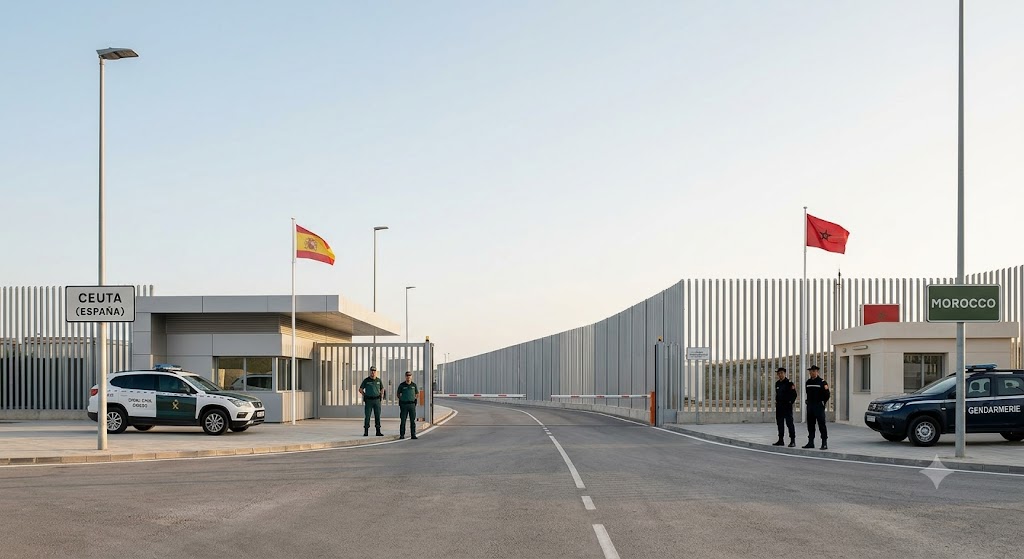
Rabat has since reinforced security near the Ceuta border following online calls for another mass crossing on August 15.
For Spain, the immediate challenge is determining how many migrants remain, identifying unaccompanied children and deciding who qualifies for asylum. For Morocco and the European Union, the episode has again demonstrated how quickly migration cooperation can become entangled with money, border security and territorial politics.