






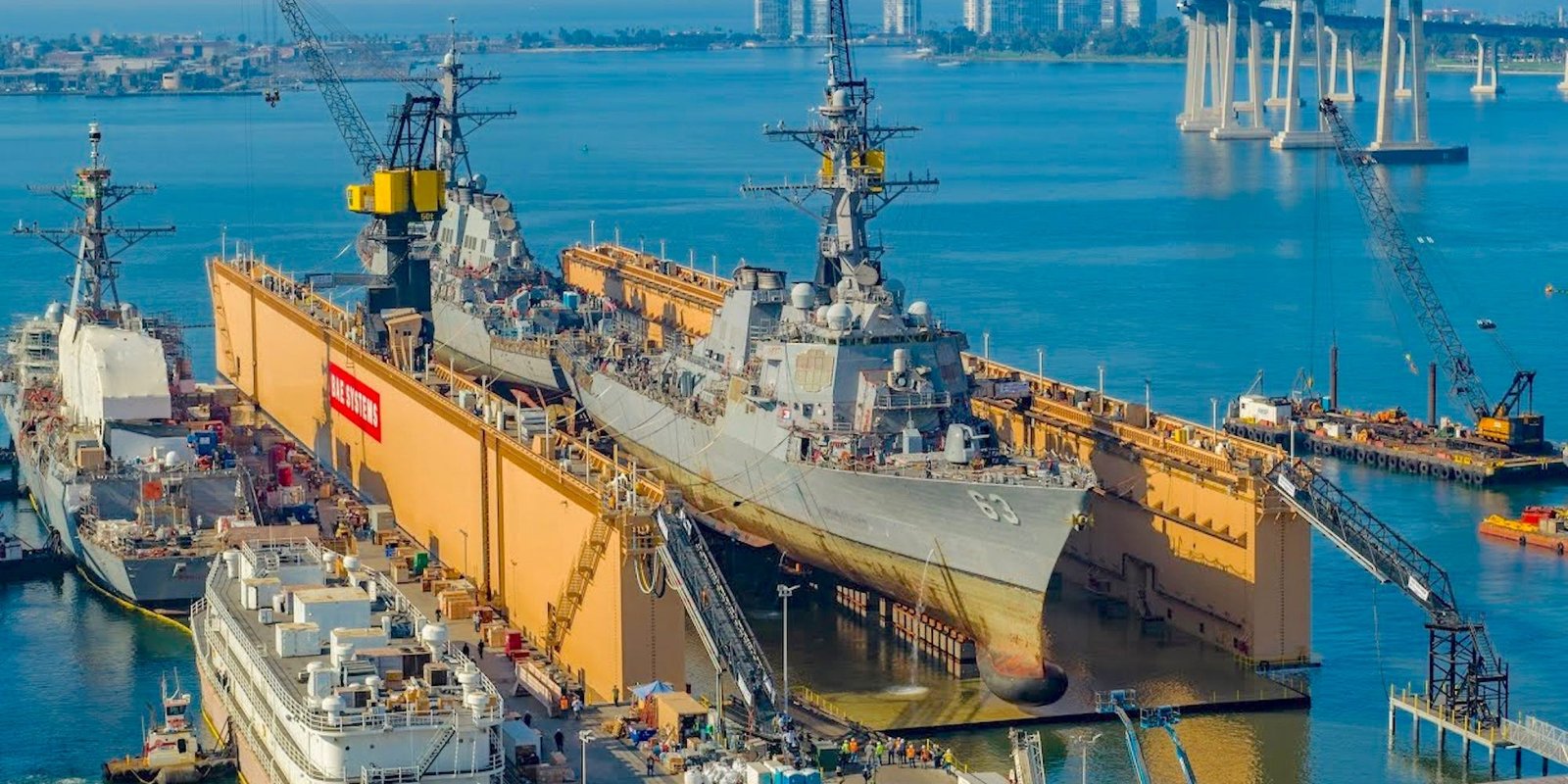
As conflict between the United States and Iran continues to disrupt maritime trade through the Strait of Hormuz, Washington has moved to project naval power through the deployment of Navy destroyers.
- The US has deployed Navy destroyers to the Red Sea to counter disruptions in maritime trade caused by the conflict with Iran and Houthi attacks.
- Africa has a significant stake in this conflict due to the Red Sea bordering four African nations: Djibouti, Egypt, Eritrea, and Sudan.
- Houthi forces have intensified attacks on commercial shipping routes in the Red Sea since late 2023, affecting global trade and prompting international military responses.
- The US, along with other countries like China, has responded with naval deployments and operations such as Operation Prosperity Guardian to ensure freedom of navigation.
While the fighting is concentrated in the Middle East, Africa’s stake is glaring, given North Africa’s proximity to the war’s focal point.
This is highlighted by the fact that US Navy destroyers have been deployed to a maritime body bordering three African nations.
Data from the U.S. Naval Institute’s fleet tracker, as of the 14th of September 2026, shows that two Navy guided-missile destroyers were operating in the Red Sea.
As seen on DefenseNews, the USS Stout, an Arleigh Burke-class guided-missile destroyer, left Naval Station Norfolk on Monday for a new deployment after months of training, maintenance, and other preparations.
These details were released by Naval Surface Force Atlantic, emphasizing that operational demands on these destroyers had already reached significant levels before the outbreak of the conflict with Iran.
The USS Carney, another destroyer of the same class, spent 235 days on deployment between September 2023 and May 2024.
In this time frame, it took part in 51 missions involving weapons launched by Houthi forces, according to the US Navy.
The deployment showed how much pressure US destroyers can face when operating around key maritime routes and chokepoints.
As mentioned earlier, the Red Sea, lying between the Arabian Peninsula and Africa, borders four African countries, including Djibouti, Egypt, Eritrea and Sudan.
The sea has also served as a base of operations for the Houthis, an armed political and religious movement from Yemen officially known as Ansar Allah.
Houthi attacks in the Red Sea
The recent phase of Houthi attacks began in late 2023, when the armed group started attacking commercial vessels, saying they were acting in support of Palestinians during the Israel-Gaza war.
![Houthi fighters have captured Yemen’s Mocha port, approximately 80 kilometres from the Bab el-Mandeb Strait. [AP Photo]](https://ocdn.eu/pulscms/MDA_/0eb2de730d9037d929edb23470fdc568.jpg)
The group has used anti-ship missiles, ballistic missiles, drones, explosive boats, and, in some cases, boarding or seizure operations.
This brought the US Navy directly into the picture. American warships, and even missions from other countries such as China.
The US and its partners also launched Operation Prosperity Guardian to protect freedom of navigation in the Red Sea.
Houthi attacks have had a significant impact on maritime activities in the region.
Several shipping companies have diverted vessels away from the Red Sea and around the Cape of Good Hope, adding time and cost to journeys between Asia, Europe, and Africa.
As recently reported, Washington’s Center for Strategic and International Studies revealed that China has made major upgrades to its military base in Djibouti, noting that the military installed new equipment and apparatus, per changes observed in satellite imagery.
Controlling the Houthi problem in the Red Sea was highlighted as the probable rationale behind China’s upgrades.
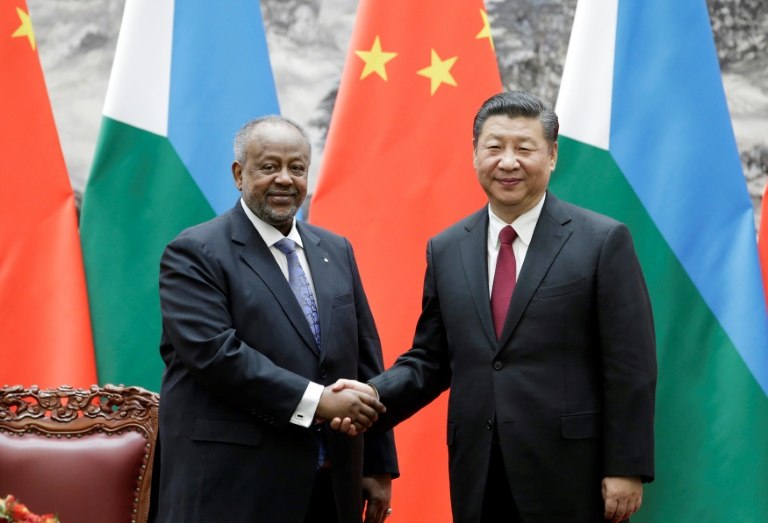
For Beijing, the base could become an important tool for gathering intelligence, monitoring foreign forces, and supporting its growing military presence far from home.
Globally, the Houthi movement has compelled major global powers, including Saudi Arabia, China, and the United States, to seek strategic measures to curb the group’s actions urgently.
In September, Saudi Arabia temporarily shut a 1,200-kilometre pipeline carrying as much as five million barrels of oil daily, owing to a territorial advance by the Houthis.
At the time, the group is said to have captured the Mocha Port, a strategic Yemeni port near Africa, giving it greater leverage over one of the world’s most important shipping routes.
Mocha is approximately 80 kilometres from the Bab el-Mandeb Strait, which separates Yemen from Djibouti and Eritrea on Africa’s eastern coast.